

Ever wondered how tall a kiwi tree can grow in your backyard? Picture this: you plant a tiny kiwi sapling, eagerly anticipating the day it’ll bear delicious fruits. But how big will it actually get? That’s the burning question on your mind.
In this article, we’ll explore the fascinating world of kiwi trees and uncover just how massive these plants can become. You’ll discover valuable insights on nurturing your kiwi tree to reach its full potential, from size to fruit production. Get ready to unlock the secrets of cultivating a thriving kiwi tree right in your own garden.
Key Takeaways
- Variety Selection: Different kiwi tree varieties have varying growth habits that can impact the tree’s overall size potential.
- Growing Conditions: Providing optimal growing conditions with well-draining soil, sufficient sunlight, water, and nutrients is essential for maximizing kiwi tree growth.
- Support Structures: Sturdy support structures like trellises are crucial as kiwi trees grow to prevent damage and guide their growth, affecting the tree’s final size.
- Pruning Practices: Regular pruning helps manage the size, shape, and fruit production of kiwi trees, promoting overall tree health and controlling growth.
- Fruit Production: The age at which kiwi trees start bearing fruit can divert energy and affect tree growth, influencing its final size.
- Environmental Factors: External conditions like weather, temperature, and pests can influence kiwi tree growth, requiring monitoring and adjustments for optimal results.
Understanding Kiwi Trees Growth
To understand how big kiwi trees can get, it’s essential to consider various factors that impact their growth. Here are key aspects to keep in mind when gauging the size potential of your kiwi trees:
- Variety Selection
Selecting the right kiwi tree variety is crucial for determining its growth potential. Different kiwi varieties have varying growth habits, with some being more compact while others tend to sprawl or climb extensively. - Growing Conditions
Kiwi trees thrive in well-draining soil with sufficient sunlight. Adequate water and nutrients are vital for promoting healthy growth. Providing optimal growing conditions can influence the eventual size of your kiwi tree. - Support Structures
As kiwi trees grow, they require sturdy support structures to prevent damage and ensure proper growth. Trellises, arbors, or fences can help guide and support the growth of kiwi vines, ultimately affecting the overall size of the tree. - Pruning Practices
Regular pruning is essential for managing the size and shape of kiwi trees. Proper pruning helps promote fruit production, maintains plant health, and controls the overall size of the tree. - Fruit Production
The age at which kiwi trees start bearing fruit can impact their growth trajectory. Fruit production can divert the tree’s energy, affecting its overall size compared to non-fruiting trees. - Environmental Factors
External factors such as weather conditions, temperature fluctuations, and pest infestations can also influence the growth of kiwi trees. Monitoring and addressing these environmental factors can help optimize tree growth.
By considering these factors and actively managing your kiwi tree’s growth through appropriate variety selection, care practices, and environmental considerations, you can cultivate a healthy and robust tree that thrives within the available space in your garden.
Maximum Size of Kiwi Trees
When it comes to the maximum size of kiwi trees, it’s essential to understand the growth potential they can reach in your backyard. Kiwi trees, depending on various factors, can grow to impressive sizes, so let’s explore what to expect.
Recommended Products

🌑[Plant Growth Support]:Garden plant trellis are committed to helping your indoor for potted plants and adds to the natural beauty. As plants grow, the houseplant trellis takes the form of a ladder to help your plant climbing and growing.

TWO USAGE METHODS: Our branch trunk support has two types of Y-shaped supports, which can support branches of different diameters. You can choose a method based on the size of the branch. Holds branches up to 0.5"& 1.8" in diameter respectively corresponding to two different support methods. Stop losing your fall harvest to broken branches!
Potential Height of Kiwi Trees
Kiwi trees are known to be vigorous climbers, and they have the capability to reach heights of up to 30 feet. This height can vary based on the specific variety of kiwi tree you plant and the growing conditions you provide.
Canopy Spread
In addition to their height, kiwi trees can also have a considerable canopy spread. The branches of a mature kiwi tree can extend up to 10 feet or more in width, creating a lush and expansive canopy.
Trunk Diameter
The trunk diameter of a kiwi tree can reach sizes of around 5 to 6 inches. This sturdy trunk provides essential support for the tree’s height and abundant foliage.
Environmental Factors
It’s important to note that the maximum size a kiwi tree can attain is influenced by several environmental factors such as sunlight exposure, soil quality, water availability, and climate conditions. Providing optimal conditions can help your kiwi tree thrive and reach its full potential size.
Pruning Practices
Regular pruning is key to managing the size of your kiwi tree and ensuring it remains healthy. Proper pruning can help control the tree’s growth, shape its canopy, and promote fruit production.
Support Structures
Given their potential for significant height and canopy spread, kiwi trees may require sturdy support structures such as trellises or arbors to prevent the branches from sagging and to support the weight of the fruit.
Final Thoughts
By understanding the factors that influence the size of kiwi trees and implementing proper care practices, you can help your kiwi tree grow to its maximum potential size while ensuring a bountiful harvest of delicious fruits. Remember to provide the necessary support, maintain optimal growing conditions, and prune your tree regularly to encourage healthy growth and abundant fruit production.
Pruning and Training Techniques
To maintain your kiwi tree’s health and shape, you’ll need to employ proper pruning and training techniques. Here’s how you can effectively care for your kiwi tree:
Recommended Products

DUAL CUTTING POWER: VERSATILE PRUNING COMBO --- With both Pruning Shears and Pruning Snip, this combo delivers unmatched versatility. Whether you're delicately trimming flowers and shrubs, tackling thicker tree branches, or tending to your vegetable and fruit garden, our combo pack excels in all areas. They're also perfect for landscaping projects and maintaining the health and appearance of indoor plants. With this pack, you have a versatile tool that simplifies your gardening tasks.

【Ergonomic & Friendly Design】The arc of the handle of the gardening shears can reduce the prussre of your handle. Soft solicone matte material feels more comfortable and anti slip than plastic handle. 8.6" Professional Pruner Shears makes you fell more comfortable when Cutting.

AMBIDEXTROUS DESIGN: Pruner shape is designed for both right and left-handed use while pruning indoor & outdoor plants such as shrubs, ornamental trees, vines, & flowers like roses; SoftGrip handle reduces hand fatigue & enhances comfort and control
Regular Pruning:
Trim your kiwi tree annually to control its size, shape, and fruit production. Start by removing dead or damaged branches to encourage new growth and prevent disease.
Training Methods:
Consider using a trellis system to support your kiwi tree’s growth. This method helps manage the plant’s size and shape while providing better access for care and harvesting.
Timing Matters:
Prune your kiwi tree during the dormant season, typically in late winter or early spring. This timing ensures that the tree can heal properly and reduces stress on the plant.
Encouraging Fruitfulness:
Prune excess foliage to allow sunlight to reach the inner branches, promoting fruit development. Thin out crowded areas to improve air circulation and prevent disease.
Techniques for Different Varieties:
Actinidia deliciosa (common kiwi) and Actinidia arguta (hardy kiwi) may require slightly different pruning approaches. Research the specific needs of your kiwi tree variety for optimal results.
Vigilant Monitoring:
Regularly inspect your kiwi tree for signs of overgrowth, disease, or pest infestation. Promptly address any issues to maintain the tree’s health and productivity.
By following these pruning and training techniques, you can ensure that your kiwi tree thrives and continues to yield delicious fruits season after season.
Potential Challenges in Achieving Desired Size
When considering the size of kiwi trees in your backyard, you may encounter some challenges that could affect their growth potential. Here are some key issues to be aware of:
Recommended Products

Support for Tall Plant: This trellis kit provides 7.87” support for your tomatoes, peppers and more

Adjustable & Versatile Design: With multiple connection points, this 3 in 1 plant support system easily converts between an A-Frame trellis, vertical trellis, and climbing cage — ideal for cucumbers, tomatoes, peas, beans, and other climbing vegetables.
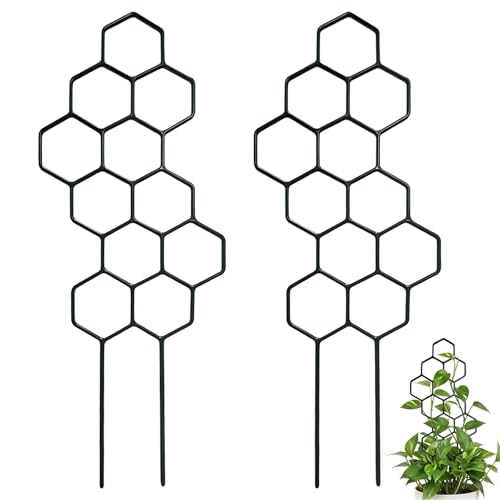
Versatile Plant Support: This pothos plant climber support offers essential growth assistance for various climbing plants including vines, flowers, and vegetables; The indoor plant trellis features a modern honeycomb structure that complements home decor while providing functional climbing surfaces; Suitable for both indoor and outdoor gardening applications
Soil Quality Concerns
One common challenge in achieving the desired size of kiwi trees is ensuring proper soil quality. Kiwi trees prefer well-draining soil rich in organic matter. If your soil lacks essential nutrients or has poor drainage, it can hinder the tree’s growth. Consider conducting a soil test to determine if any amendments are needed to improve soil quality.
Sunlight Accessibility
Another challenge you might face is ensuring adequate sunlight for your kiwi trees. These trees thrive in full sun and require a minimum of 6-8 hours of sunlight daily. If your backyard has shading from buildings or trees, it could limit the amount of sunlight reaching your kiwi trees, affecting their growth and overall size.
Pruning Practices
Proper pruning is essential for managing the size of kiwi trees. Failure to prune regularly or correctly can lead to overgrowth, inefficient fruit production, and overall tree health issues. It’s crucial to understand the pruning needs of your specific kiwi tree variety and follow appropriate pruning techniques to control growth and shape the tree effectively.
Pest and Disease Management
Pests and diseases can pose significant challenges to achieving the desired size of kiwi trees. Common pests like aphids, mites, and scale insects, as well as diseases like powdery mildew and bacterial canker, can impact tree growth and fruit production. Implementing preventive measures, such as regular inspections and appropriate pest management strategies, is crucial to protect your kiwi trees from these threats.
Support Structures
Providing adequate support structures for kiwi trees can also be a challenge, especially as they grow larger. Kiwi trees are vigorous climbers that require a sturdy trellis or support system to accommodate their growth. Failing to install suitable support structures early on can result in misshapen trees, broken branches, and limited fruit production.
By addressing these challenges proactively and implementing appropriate solutions, you can overcome obstacles to achieving the desired size of your kiwi trees in your backyard. Stay vigilant, monitor tree health regularly, and make adjustments as needed to ensure your kiwi trees thrive and reach their full growth potential.
Conclusion
You’ve now discovered the key factors influencing the size of kiwi trees in your backyard. From variety selection to environmental conditions, each aspect plays a vital role in determining the tree’s growth potential. Remember, proper care through pruning and support structures is essential for managing growth effectively. Be mindful of challenges like soil quality, sunlight exposure, and pest control to ensure your kiwi trees reach their full size. By addressing these factors proactively, you can overcome obstacles and create an ideal environment for your kiwi trees to flourish. With the right approach, your backyard can soon be home to thriving kiwi trees that reach their maximum potential.
Frequently Asked Questions
1. What factors should be considered when selecting a kiwi tree variety for backyard cultivation?
Choose a kiwi tree variety suitable for your climate zone, ensuring it will thrive in your backyard’s conditions.
2. What growing conditions are essential for the successful growth of kiwi trees?
Kiwi trees need full sun exposure, well-draining soil rich in nutrients, and regular watering to grow well.
3. Why are support structures important for kiwi trees in a backyard setting?
Support structures like trellises or arbors help kiwi trees grow upright, manage their size, and bear fruit efficiently.
4. How does pruning contribute to managing the size of kiwi trees?
Regular pruning controls the size of kiwi trees, promotes healthy growth, and enhances fruit production.
5. What are common challenges in achieving the desired size of kiwi trees in a backyard environment?
Challenges include poor soil quality, inadequate sunlight, improper pruning, pests, diseases, and lack of proper support structures.
6. How can one overcome obstacles to ensure kiwi trees thrive in a backyard setting?
Address challenges by improving soil quality, enhancing sunlight exposure, practicing correct pruning techniques, managing pests and diseases, and providing sturdy support structures.
