

Ever wondered why your heritage raspberries aren’t yielding as much fruit as you’d like? Picture this: a tangle of unruly canes, struggling to thrive amidst the chaos. How can you bring order to this berry patch and unlock its full potential?
Key Takeaways
- Heritage raspberries, also known as heirloom raspberries, are traditional varieties with rich flavors and historical significance in gardens.
- Pruning is crucial for maintaining plant health, maximizing fruit production, controlling patch size, and promoting sunlight exposure for ripening fruit.
- Essential pruning tools include pruning shears, loppers, hand saws, gloves, and safety glasses to ensure safe and efficient pruning.
- Proper timing of pruning during late winter or early spring while plants are dormant is vital for optimal growth and productivity.
- Effective pruning techniques involve removing dead/diseased canes, trimming lateral branches to encourage new growth, cutting back canes’ tops for branching/fruiting promotion, and thinning out crowded areas.
- Common pruning mistakes like over-pruning or misidentifying canes to cut can harm plant growth; proper aftercare through mulching, watering, fertilizing, monitoring pests/diseases/nutrient deficiencies, renewal pruning every few years, installing support systems like trellises.
Understanding Heritage Raspberries
Heritage raspberries, also known as heirloom raspberries, are traditional varieties that have been passed down through generations. These raspberries typically have a rich flavor and are prized for their historical significance in gardens.
What Are Heritage Raspberries?
Heritage raspberries refer to old-fashioned raspberry varieties that have been cultivated for their unique taste and characteristics. These plants often bear fruit on second-year canes, requiring specific care to ensure optimal yield.
Importance of Pruning
Pruning heritage raspberries is crucial for maintaining plant health and maximizing fruit production. By removing old canes and unwanted growth, you encourage new cane development and improve air circulation within the plant, reducing the risk of diseases. Regular pruning also helps control the size of the raspberry patch and promotes better sunlight exposure for ripening fruit.
Remember, proper pruning techniques vary depending on the raspberry variety you’re growing, so it’s essential to familiarize yourself with the specific requirements of your heritage raspberry cultivar.
Equipment Needed for Pruning
When it comes to pruning your heritage raspberries, having the right tools is essential. Here’s a list of equipment you’ll need to ensure successful pruning:
Recommended Products

AMBIDEXTROUS DESIGN: Pruner shape is designed for both right and left-handed use while pruning indoor & outdoor plants such as shrubs, ornamental trees, vines, & flowers like roses; SoftGrip handle reduces hand fatigue & enhances comfort and control
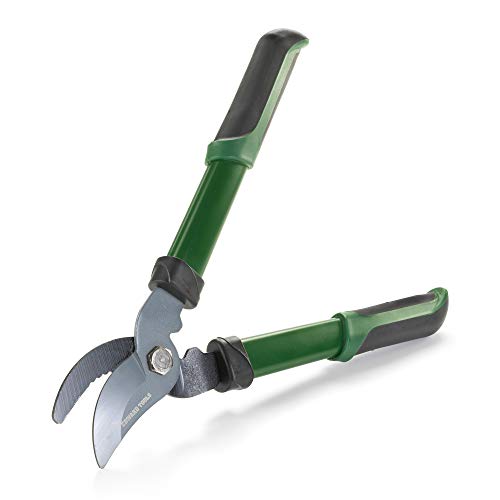

Widely Used: Pruning shears for gardening include 3 different blades and gloves for a variety of general pruning work. Great for trimming flowers, plants, bonsai, hydroponics, herbs, light branches and so on. Shears gardening tools are ideal for pruning needs and perfect gift for gardening friends
Best Tools for the Job
- Pruning Shears: These are your go-to tool for cutting canes up to 1/2 inch in diameter. Look for sharp bypass pruners that make clean cuts without crushing the cane.
- Loppers: For thicker canes over 1/2 inch in diameter, loppers provide the extra strength needed to make precise cuts.
- Hand Saw: Useful for cutting thick or hard-to-reach canes that pruning shears or loppers can’t handle.
- Gloves: Protect your hands from thorns and scratches with a sturdy pair of gardening gloves.
- Safety Glasses: Ensure eye protection while pruning to prevent any debris from getting into your eyes.
- Always wear safety glasses when pruning to protect your eyes from flying debris.
- Use gloves to shield your hands from thorns and potential cuts during the pruning process.
- Check that all tools are sharp and in good condition before starting to ensure clean cuts and efficient work.
Steps to Prune Heritage Raspberries
When it comes to pruning your heritage raspberries, following the right steps is crucial for maintaining plant health and maximizing fruit production. Here’s how you can effectively prune your heritage raspberries:
Recommended Products

DUAL CUTTING POWER: VERSATILE PRUNING COMBO --- With both Pruning Shears and Pruning Snip, this combo delivers unmatched versatility. Whether you're delicately trimming flowers and shrubs, tackling thicker tree branches, or tending to your vegetable and fruit garden, our combo pack excels in all areas. They're also perfect for landscaping projects and maintaining the health and appearance of indoor plants. With this pack, you have a versatile tool that simplifies your gardening tasks.

· ULTRA-SHARP SK5 STAINLESS STEEL - Engineered with premium SK5 stainless steel, these heavy duty pruning shears deliver razor-sharp precision and maximum hardness. The rust-resistant blades are designed to stay sharp longer, effortlessly resisting corrosion and sap buildup for smooth, friction-free garden shears performance year after year.

Sharp & Rustproof: Our garden scissors are made of premium stainless steel material, which has corrosion resistance and good hardness. Sharp blades can quickly finish pruning tasks for gardens, vegetable gardens, orchards, and indoor plants
Timing Your Pruning
Pruning your heritage raspberries at the correct time is essential for their growth and productivity. It’s best to prune them during late winter or early spring while the plants are still dormant. This timing allows for new growth to emerge without risking damage to existing canes that may still bear fruit.
Technique for Effective Pruning
To ensure you’re pruning your heritage raspberries effectively, follow these steps:
- Start by removing any dead, damaged, or diseased canes from the plant. These canes not only hinder growth but also attract pests and diseases.
- Trim back lateral branches on each cane to about 12-18 inches in length. This encourages new growth and increases airflow within the plant.
- Cut back the top of the remaining canes to promote branching and fruiting along the cane.
- Finally, thin out crowded areas by eliminating weaker canes, allowing more sunlight and nutrients to reach the healthier ones.
By timing your pruning correctly and using proper techniques, you’ll help your heritage raspberry plants thrive, leading to a bountiful harvest of delicious berries year after year.
Common Pruning Mistakes
When pruning heritage raspberries, it’s essential to avoid common mistakes that can hinder plant growth and fruit production. Here are some pitfalls to watch out for:
Avoiding Over-Pruning
Over-pruning heritage raspberries can harm the plants and reduce your harvest. Remember, while pruning is crucial, excessive cutting can lead to stunted growth and fewer fruits. Ensure you’re not cutting more than necessary by following a few simple guidelines:
- Tip: Trim only dead, damaged, or diseased canes.
- Example: If a cane looks healthy but needs shaping, opt for minimal trimming instead of aggressive cutting.
Misidentifying Canes to Cut
Identifying the right canes for pruning is key to maintaining the health of your heritage raspberry bushes. Cutting the wrong canes can disrupt new growth and diminish fruit yield. To avoid this mistake:
- Tip: Learn to distinguish between old (floricanes) and new (primocanes) canes.
- Example: Remove floricanes after fruiting season but retain primocanes for next year’s berries.
By steering clear of these common pruning errors, you’ll nurture robust heritage raspberry plants that bear plentiful fruits season after season.
Aftercare and Maintenance
After pruning your heritage raspberries, it’s essential to provide proper aftercare and maintenance to ensure healthy growth and a bountiful harvest. Here are some tips to help you take care of your raspberry plants post-pruning:
Recommended Products
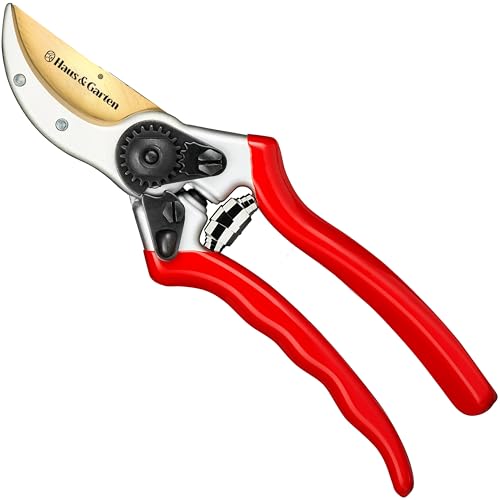
Sharp, Clean Cuts Every Time – Engineered from Japanese grade, high-carbon steel, ClassicPRO bypass pruning shears for gardening stay sharp and make precise cuts that encourage healthy growth and won’t damage your plants

1” DIAMETER EASY CUTS - Classic Cut design for easy clean cutting up to 1” diameter branches

JAPANESE STEEL BLADES: Forged with high-quality Japanese steel, these pruner blades deliver precise, clean cuts up to 3/4 inch in diameter.
Post-Pruning Care Tips
- Mulching: Cover the soil around the raspberry plants with mulch to retain moisture, suppress weed growth, and protect the roots during extreme temperatures. A layer of organic mulch like straw or wood chips can be beneficial.
- Watering: Ensure your raspberry plants receive adequate water, especially during dry spells or periods of fruit development. Consistent watering is crucial for plant health and fruit production.
- Fertilizing: Apply a balanced fertilizer according to the specific needs of your heritage raspberry cultivar. Follow recommended guidelines for fertilization to promote healthy growth and fruiting.
- Monitoring: Regularly inspect your raspberry plants for signs of pests, diseases, or nutrient deficiencies. Early detection allows for timely intervention and helps maintain plant vigor.
- Renewal Pruning: Every few years, consider conducting renewal pruning by removing older canes to stimulate new growth and rejuvenate the plant. This practice helps maintain productivity in mature raspberry patches.
- Support Systems: Install trellises or other support structures to keep raspberry canes upright as they grow taller and heavier with fruit. Proper support minimizes breakage and makes harvesting easier.
- Winter Protection: In regions with harsh winters, protect raspberry plants from frost damage by covering them with burlap or straw before the onset of cold weather. This safeguard helps prevent cane injury and promotes spring regrowth.
Conclusion
You’ve learned the essential techniques for pruning heritage raspberries to nurture healthy plants and boost fruit yields. By following the steps outlined in this guide, you’re on your way to maintaining a thriving berry patch. Remember to provide proper aftercare by mulching, watering, and monitoring for pests and diseases regularly. Consider renewal pruning periodically and implement support systems like trellises for optimal growth. With these practices in place, your heritage raspberry bushes will flourish year after year, rewarding you with abundant harvests of flavorful berries. Happy pruning!
Frequently Asked Questions
What are the challenges faced with heritage raspberries in berry patches?
Heritage raspberries can become overgrown, leading to reduced fruit production and increased susceptibility to diseases if not pruned properly.
Why is proper pruning important for heritage raspberry cultivars?
Proper pruning helps maintain plant health, increase fruit production, and control patch size for optimal growth and harvest.
When is the best time to prune heritage raspberries?
Late winter or early spring is the ideal time for pruning heritage raspberries before new growth begins.
What equipment do I need for pruning heritage raspberries?
Basic tools like sharp pruners or loppers are essential for cutting out old canes and shaping the plants effectively.
What should be done post-pruning for aftercare and maintenance?
After pruning, remember to mulch around plants, water regularly, fertilize as needed, monitor for pests and diseases, perform renewal pruning every few years, install support systems like trellises, and provide winter protection in colder regions.
