

Have you ever wondered how to grow your own juicy kiwi fruit at home? Picture this: you’re in your kitchen, reaching for a fresh kiwi from your own garden. Imagine the satisfaction of nurturing a kiwi plant from a tiny seed to a fruitful vine. In this article, you’ll discover simple steps to cultivate your own kiwi fruit, right in your backyard.
By learning the art of growing kiwi fruit, you’ll not only enjoy the sweet rewards of your harvest but also embrace a sustainable and rewarding hobby. From selecting the right variety to providing optimal growing conditions, you’ll find practical tips to kickstart your kiwi-growing journey. Get ready to experience the joy of plucking ripe kiwis off your own vines with the guidance provided here.
Key Takeaways
- Choose a sunny location with well-draining soil for growing kiwi vines to encourage healthy growth.
- Prioritize soil preparation by ensuring it is rich in nutrients and well-aerated before planting kiwi seeds or seedlings.
- Provide consistent watering, especially during dry periods, without overwatering to prevent root rot.
- Regular pruning and training of kiwi plants are essential to maintain their health and productivity.
- Select kiwi varieties based on factors like hardiness zone, self-fertility, fruit characteristics, and growth habit to ensure successful home-growing experience.
- Follow proper harvesting and storing techniques to enjoy ripe kiwi fruit and extend their shelf life effectively.
The Basics of Kiwi Fruit Growth
To ensure successful kiwi fruit growth in your backyard, it’s crucial to understand the fundamental aspects of nurturing these delightful fruits. Here’s a breakdown of the essentials to help you kickstart your kiwi-growing journey.
Selecting the Right Location
Position is key when it comes to planting kiwi vines. Opt for a sunny spot with well-draining soil to encourage healthy growth. Kiwis thrive in full sunlight, so choose a location that receives ample sunshine throughout the day.
Preparing the Soil
Before planting your kiwi seeds or seedlings, prepare the soil by ensuring it’s rich in nutrients and well-aerated. Consider adding compost or aged manure to boost soil fertility and provide a good start for your kiwi plants.
Planting Process
When planting kiwi vines, space them adequately to allow room for growth and airflow. Ensure the roots are well-covered but not buried too deeply. Water the plants thoroughly after planting to help them settle into their new environment.
Watering and Maintenance
Kiwi plants require consistent watering, especially during dry periods. Keep the soil moist but not waterlogged to prevent root rot. Mulching around the base of the plants can help retain soil moisture and suppress weeds.
Pruning and Training
Regular pruning is essential to maintain the health and productivity of kiwi vines. Train the plants to a support structure, such as a trellis or pergola, to encourage upward growth and ease of fruit harvesting. Prune excess growth to improve airflow and increase sunlight exposure to the fruiting branches.
Fertilization
Fertilize your kiwi plants according to a schedule, typically in early spring and early summer. Use a balanced fertilizer to provide essential nutrients for healthy fruit development. Avoid over-fertilizing, as this can lead to excessive vegetative growth at the expense of fruit production.
Pollination
Kiwi plants are dioecious, meaning they have separate male and female vines. To ensure fruit set, you’ll need both male and female plants for cross-pollination. Be mindful of planting ratios to guarantee successful pollination and fruiting.
Pest and Disease Management
Monitor your kiwi plants regularly for signs of pests or diseases. Common issues include vine weevils, aphids, and powdery mildew. Employ organic pest control methods where possible and address any problems promptly to safeguard your kiwi crop.
Choosing the Right Kiwi Varieties
Selecting the right kiwi varieties is crucial for a successful home-growing experience. In this section, you’ll discover important factors to consider when choosing the perfect kiwi cultivars for your garden.
Recommended Products

LIVE KIWI STARTER PLANT: Begin growing your own kiwi vine with a young starter plug plant ready to establish in your garden or container.

LIVE KIWI STARTER PLANT: Begin growing your own kiwi vine with a young starter plug plant ready to establish in your garden or container.

MATURE SIZE and CARE GUIDE: The self-fertile Issai Kiwi thrive in full to partial sun, needing 6-8 hours of direct sunlight daily. Plant in well-draining, loamy soil with a pH of 5.5-7.0. Ensure good drainage to prevent waterlogged roots. Keep soil consistently moist, but not waterlogged, for healthy root development. These steps lead to flourishing plants, yielding a bountiful harvest of delicious fruit. Expect mature lengths between 4-10 feet. Performs best in USDA Hardiness zones 5-8.
Factors to Consider When Choosing Kiwi Varieties
When deciding on which kiwi varieties to grow, you should consider the following key factors:
- Hardiness Zone: Ensure the kiwi variety you choose is suitable for your USDA hardiness zone. Kiwi plants thrive in different climates, so pick a variety that aligns with your specific zone for optimal growth.
- Self-Fertile vs. Pollination Requirements: Some kiwi varieties are self-fertile, meaning they can produce fruit without needing another plant nearby for pollination. Others require cross-pollination, meaning you’d need to plant at least two different varieties for fruit production. Consider your garden space and choose accordingly.
- Fruit Characteristics: Different kiwi varieties produce fruits with varying sizes, flavors, and textures. Whether you prefer sweet or tangy fruits, large or small ones, there’s a kiwi variety to suit your taste preferences.
- Growth Habit: Some kiwi varieties have different growth habits, such as vine vigor, canopy shape, and fruiting patterns. Select a variety that fits your garden’s size and trellising system to accommodate growth space.
Popular Kiwi Varieties for Home Growers
Here are some popular kiwi varieties favored by home growers:
- Hayward: Known for its sweet and tangy flavor, this variety is one of the most common commercial kiwis. It requires both male and female plants for fruit production.
- Issai: A self-fertile kiwi variety, perfect for small gardens or when space is limited. It bears smaller, smooth-skinned fruits with a tropical taste.
- Jenny: Another self-fertile option producing medium-sized fruits with a smooth texture, ideal for fresh eating or preserves.
Where to Find Kiwi Varieties
You can purchase kiwi plants from local nurseries, garden centers, or online suppliers specializing in fruiting plants. Ensure you buy from reputable sources to get healthy, disease-free plants.
Planting Kiwi Vines
Let’s talk about planting your kiwi vines.
- Selecting the Right Spot
- Find a sunny location with well-drained soil for your kiwi vines. They thrive in full sun and require good air circulation.
- Avoid areas prone to frost, as kiwi vines are sensitive to cold temperatures.
- Preparing the Soil
- Test the soil pH; kiwi plants prefer slightly acidic soil between 6.0 and 6.5.
- Ensure the soil is rich in organic matter by amending it with compost or well-rotted manure.
- Planting Your Kiwi Vines
- Dig a hole twice as wide and deep as the root ball of the plant.
- Place the vine in the hole, making sure the roots are spread out and not bent.
- Support Structures
- Install a sturdy trellis or support structure for the kiwi vines to climb. They need support as they grow.
- Train the vines to climb the structure by gently tying them as they lengthen.
- Watering and Mulching
- Water the newly planted kiwi vines regularly, especially during dry spells.
- Apply a layer of mulch around the base of the plants to retain moisture and suppress weeds.
- Maintenance Tips
- Prune the vines in late winter or early spring to encourage new growth and fruit production.
- Fertilize the plants in early spring with a balanced fertilizer to support healthy growth.
Recommended Products

🌑[Plant Growth Support]:Garden plant trellis are committed to helping your indoor for potted plants and adds to the natural beauty. As plants grow, the houseplant trellis takes the form of a ladder to help your plant climbing and growing.
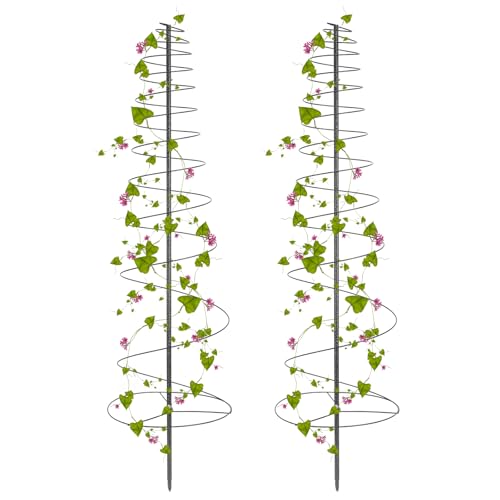
Unique Design: The spiral design expands in seconds—no tools needed! Secure buckle at the base lock the trellis firmly in place, keeping your climbing plants upright even in strong winds.

Product Packaging: 1 set of chain trellies for climbing plant (includes 10 black stars, 10 black moons, 20 Metal Spring O Rings Clip, 6 traceless hooks, 6 traceless nails, 6 plastic-coated hooks, and 10 zip ties).
Caring for Kiwi Plants
Now that you’ve successfully planted your kiwi vines, it’s time to shift your focus to caring for them to ensure healthy growth and a bountiful harvest. Follow these essential tips to nurture your kiwi plants effectively:
Recommended Products

CONTINUOUS RELEASE NUTRITION: Osmocote Smart-Release Plant Food Plus Outdoor & Indoor1 granular fertilizer contains 11 essential nutrients and feeds live plants up to 6 full months

🌿 Balanced 10-10-10 Granular Fertilizer for Outdoor & Indoor Plants: All-purpose plant food with 10% Nitrogen, 10% Phosphorus, and 10% Potassium. Perfect for outdoor vegetable gardens, fruit trees, evergreens, shrubs, lawns, and flowers. Also great for potted plants and indoor gardening. One solution for all your plant needs!

Balanced Nitrogen Fertilizer Formula: This slow release fertilizer contains 17-17-17 NPK to provide complete nutritional support for lush foliage and healthy plant growth and is suitable for various gardening and agricultural needs
1. Watering Techniques
- Consistent Moisture: Keep the soil consistently moist, especially during the growing season, to support proper development.
- Avoid Overwatering: While kiwi plants need regular watering, avoid overwatering as it can lead to root rot. Ensure proper drainage to prevent waterlogging.
2. Mulching Practices
- Benefits of Mulch: Mulching helps retain moisture, suppress weeds, and regulate soil temperature, benefiting the overall health of kiwi plants.
- Mulch Application: Apply a layer of organic mulch around the base of the plants, ensuring it doesn’t touch the stems directly.
3. Pruning Techniques
- Timing: Prune your kiwi plants in late winter or early spring to remove dead or overgrown branches and encourage new growth.
- Pruning Guidelines: Trim back excess growth to maintain an open canopy structure and improve air circulation around the vines.
4. Fertilization Methods
- Balanced Fertilizer: Use a balanced fertilizer in early spring to provide essential nutrients for healthy kiwi plant growth.
- Application: Follow recommended dosage guidelines and distribute the fertilizer evenly around the root zone of the plants.
5. Pest and Disease Management
- Vigilant Monitoring: Regularly inspect your kiwi plants for signs of pests or diseases, such as aphids or powdery mildew.
- Natural Remedies: Utilize environmentally friendly pest control methods or consult with local experts for effective management strategies.
- Cold Protection: Shield your kiwi plants from extreme cold temperatures by covering them with frost cloth or burlap during winter.
- Prevent Frost Damage: Ensure adequate insulation around the base of the plants to safeguard them from frost damage.
By incorporating these care practices into your routine, you’ll provide the necessary attention and maintenance for your kiwi plants to thrive. Remember, consistent care and attention will contribute to robust growth and abundant fruit production.
Harvesting and Storing Kiwi Fruit
To enjoy the fruits of your labor, it’s crucial to harvest and store kiwi fruit properly. Here are some essential tips to ensure you get the best out of your harvest:
Determining Ripeness:
Knowing when to pick your kiwis is essential. Wait until the fruits are fully ripe before harvesting. This is indicated by a slight softness when gently squeezed. Kiwis are typically ready for picking in late fall or early winter, depending on the variety grown.
Harvesting Techniques:
Gently twist the fruit off the vine; avoid pulling, as this may damage the plant. Use secateurs to cut the stem, leaving a short stalk attached to the fruit – this helps prevent pathogens from entering the fruit.
Storing Kiwi Fruit:
After harvesting, store kiwis in a cool, dark place with good ventilation. Keep them at a temperature of around 32-35°F (0-2°C) to slow down the ripening process. This way, you can enjoy fresh kiwis over an extended period.
Ripening Kiwis:
If your kiwis are not fully ripe when harvested, you can ripen them by placing them in a paper bag with a ripe banana or apple. These fruits release ethylene gas, which aids in ripening the kiwis faster.
Checking for Ripeness:
To determine if your kiwis are ripe, gently press the fruit. If it yields slightly, it’s ready to eat. Additionally, ripe kiwis have a sweet fragrance indicating their readiness for consumption.
Long-Term Storage:
For longer-term storage, consider freezing your kiwis. Peel and slice the fruit before freezing them on a lined tray. Once frozen, transfer the kiwi slices to a sealed container for convenient later use in smoothies or desserts.
By following these harvesting and storing tips, you can savor the delightful taste of home-grown kiwi fruit throughout the year. Proper care during harvesting and storage ensures that you enjoy the fruits of your labor to the fullest.
Conclusion
Now that you’ve learned the ins and outs of growing your own kiwi fruit, you’re well on your way to a fruitful harvest. By following the tips on selecting the right location, nurturing the vines, and mastering the art of harvesting and storing, you’re set for success. With a little patience and care, you’ll soon be indulging in the sweet rewards of your labor. So, get those green thumbs ready and watch your kiwi vines thrive! Happy gardening!
Frequently Asked Questions
1. Where should I plant my kiwi vines?
Plant kiwi vines in a sunny location with well-draining soil to ensure optimal growth and fruit production.
2. How do I enrich the soil for kiwi planting?
Enrich the soil with organic matter like compost or well-rotted manure to improve fertility and drainage, providing a healthy environment for kiwi vines.
3. What are the proper planting techniques for kiwi vines?
Plant kiwi vines deep enough to cover the roots and water thoroughly after planting to help establish a strong root system.
4. Do kiwi vines require support structures?
Yes, kiwi vines need sturdy support structures like trellises or arbors to help them climb and bear fruit effectively.
5. How often should I water my kiwi vines?
Water kiwi vines regularly, especially during dry periods, ensuring the soil remains consistently moist but not waterlogged.
6. Is mulching necessary for kiwi plants?
Mulch around kiwi plants to suppress weeds, retain moisture, and regulate soil temperature for optimal growth.
7. When and how should I prune kiwi vines?
Prune kiwi vines in late winter or early spring to remove dead or crowded growth, promoting air circulation and fruit production.
8. Should I fertilize my kiwi plants?
Fertilize kiwi plants in early spring with a balanced fertilizer to provide essential nutrients for healthy growth and fruit development.
9. How can I manage pests and diseases in kiwi vines?
Monitor kiwi vines regularly for pests and diseases, using organic or chemical controls as needed to protect plant health.
10. What measures can I take to protect kiwi vines from cold temperatures?
Protect kiwi vines from frost by covering them with frost cloth or using other insulation methods during cold weather.
11. How do I know when to harvest kiwi fruit?
Harvest kiwi fruit when they yield slightly to gentle pressure and start to soften at the stem end, indicating ripeness.
12. What are the best storing conditions for kiwi fruit?
Store ripe kiwi fruit in the refrigerator to prolong freshness and maintain flavor, keeping them away from ethylene-producing fruits.
13. How can I ripen kiwi fruit at home?
Ripen kiwi fruit quickly by placing them in a paper bag with a banana or apple to speed up the ripening process.
14. How can I check for ripeness in kiwi fruit?
Check for ripeness in kiwi fruit by gently pressing the skin — it should give slightly without being too soft.
15. Can I freeze kiwi fruit for long-term storage?
Yes, you can freeze kiwi fruit for long-term storage by peeling and slicing them before placing in airtight containers in the freezer.
