

Have you ever wondered if a single apple tree can bear fruit? It’s a question many new gardeners ask, especially when dreaming of homegrown apples. Picture this: you plant your very own apple tree, nurturing it with care, only to find yourself unsure if it’ll ever produce those delicious fruits you crave.
Key Takeaways
- Fruit Production Potential: A single apple tree can bear fruit, but its ability varies based on the tree type, with self-pollinating varieties producing fruit independently.
- Types of Apple Trees: Understanding the difference between standard, dwarf, and semi-dwarf apple trees is vital, as each has varying growth heights and timeframes for fruit production.
- Pollination Requirements: Self-pollinating apple trees can thrive alone, but cross-pollination with nearby trees may enhance fruit yield and quality.
- Environmental Factors: Successful apple production depends on favorable climate conditions, appropriate soil quality, and adequate nutrients, including consistent moisture and well-drained soil.
- Challenges to Success: Pests and diseases are common threats that can hinder fruit production; regular monitoring and intervention are essential for maintaining tree health.
- Importance of Pruning: Proper pruning practices improve sunlight exposure and air circulation, fostering better fruit yield and overall tree health.
Understanding Apple Trees
Apple trees remain a popular choice for many gardeners. Knowing how they grow and produce fruit helps you decide on your garden plans.
Types of Apple Trees
Various types of apple trees exist, and each affects fruit production differently. Here are some common varieties:
- Standard Apple Trees: These trees grow tall and can reach heights of 20-30 feet. They typically take 5-8 years to bear fruit.
- Dwarf Apple Trees: These compact trees grow 6-10 feet tall, making them perfect for small spaces. Dwarf varieties often produce apples within 3-4 years.
- Semi-Dwarf Apple Trees: This type reaches heights of 10-15 feet. They balance size and fruit yield, usually bearing fruit in 4-6 years.
Select a type that fits your space and fruiting desires.
Lifespan and Growth Cycle
Apple trees display varying lifespans and growth cycles. Here’s what you can expect:
- Lifespan: Apple trees typically live 15-50 years, with some varieties lasting even longer.
- Growth Cycle: After planting, apple trees undergo several growth stages:
- Germination: Seeds sprout and develop roots.
- Juvenile Stage: Trees grow and prepare for flowering, lasting 2-5 years.
- Mature Stage: At this point, trees produce blossoms. Depending on the tree type, this can occur between 3-8 years after planting.
Understanding these factors helps you nurture a healthy apple tree, increasing the chances of fruit production.
Pollination Requirements
Apple trees require specific pollination methods to produce fruit. Some trees self-pollinate, while others depend on nearby trees for pollination.
Recommended Products

Live Fruit-Bearing Apple Tree – Grow your own crisp, tart Granny Smith apples right at home. This self-pollinating, high-yield apple tree produces firm, green apples perfect for fresh eating, baking, and cider-making
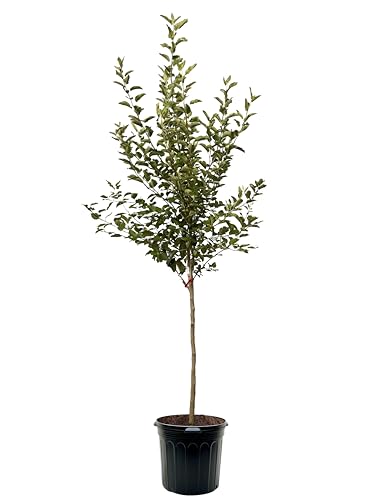
Live Fruit-Bearing Apple Tree – Grow your own crisp, tart Granny Smith apples right at home. This self-pollinating, high-yield apple tree produces firm, green apples perfect for fresh eating, baking, and cider-making

Live Fruit-Bearing Apple Tree – Grow your own Liberty apples, a disease-resistant variety known for its crisp texture, sweet-tart flavor, and deep red skin, perfect for fresh eating, baking, and cider-making
Self-Pollinating Apple Trees
Self-pollinating apple trees can produce fruit on their own. Varieties like ‘Granny Smith’ and ‘Fuji’ exemplify this trait. These trees have flowers that contain both male and female parts, making them capable of fertilizing themselves. However, even self-pollinating trees benefit from cross-pollination. Higher yields and better fruit quality often result when you plant companion trees nearby.
Cross-Pollination: The Need for Companion Trees
Cross-pollination requires two or more apple tree varieties planted close together. Trees like ‘Honeycrisp’ and ‘Gala’ serve as good pollinators for each other. Cross-pollination enhances genetic diversity, leading to more robust fruit production. Typically, aiming for a distance of 50 feet or less between trees optimizes pollination chances. Buzzing bees and other pollinators play a vital role in transferring pollen, so planting flowers nearby can attract them.
Understanding whether your apple tree is self-pollinating or requires a companion tree is crucial for fruitful gardening.
Factors Affecting Apple Production
Several factors affect the ability of an apple tree to produce fruit. Key elements include climate, soil quality, and nutrient availability. Understanding these factors can greatly influence the success of your apple tree.
Recommended Products
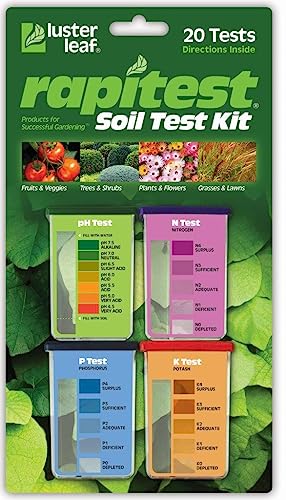
Quick, at home results for Soil pH, Nitrogen, Phosphorous and Potash Innovative and inexpensive soil test kit features an easy-to-use capsule system and patented color comparators

KNOW BEFORE YOU GROW | Grow the healthiest, sustainable lawn and garden with the most accurate and easy to use professional soil test kit on the market

Accurate Soil pH Testing: Dewildetradingco Soil pH Test Strips offer measurements of soil pH levels (pH 3.5-9). As an essential tool for every gardener and grower, these test strips help determine the optimal pH for various plants, such as outdoor plants, indoor plants, gardens, grass lawns, fruit trees, flowers, vegetables, and forest shrubs.
Climate and Weather Conditions
Apple trees thrive in temperate climates. They need a chilling period during winter to produce fruit effectively. Areas with winter temperatures consistently between 32°F and 45°F support good fruit production. Warm summers also foster growth, so aim for daytime temperatures between 75°F and 85°F during the growing season.
Humidity plays a role, too. High humidity can promote diseases, while low humidity may stress trees, impacting growth and fruit yield. Monitor local weather patterns. Be ready to protect your apple tree from unexpected frost in spring, as tender blossoms may not survive unseasonably cold temperatures.
Soil Quality and Nutrient Availability
Healthy soil promotes robust apple tree growth. Aim for well-drained, loamy soil with a pH between 6.0 and 7.0. Soil tests can help determine existing nutrient levels. If nutrients like nitrogen, phosphorus, and potassium are lacking, consider amending your soil with organic matter, such as compost or well-rotted manure.
Ensure regular irrigation, especially during dry spells, as apple trees require consistent moisture—about 1 inch per week. However, avoid overwatering; soggy soil can lead to root rot. Mulching around the tree base helps retain moisture and suppress weeds, creating a better growing environment.
Common Challenges to Fruit Production
Apple trees face several challenges that can affect their ability to produce fruit. Understanding these issues helps you take necessary measures to encourage healthy growth and fruiting.
Recommended Products

KILLS LISTED FRUIT & CITRUS TREE INSECTS: Controls Asian Citrus Psyllid, Whiteflies, Aphids Thrips, Citrus Leafminers, Leafhoppers, Blackfly, Mealybugs, Scales, Avocado Lacebugs, Oriental Beetles, Flea Beetles, Sharpshooters, and Spittlebugs
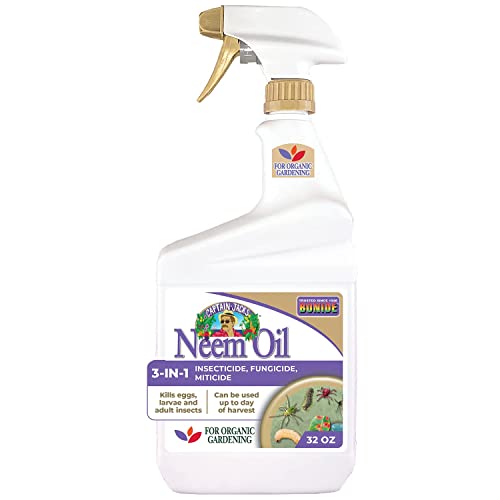
MULTI-PURPOSE BUG KILLER - Bonide Neem Oil is a perfect pest control solution for any garden dealing with mites, flies, mildew, and more. This product is a three-in-one fungicide, miticide, and insecticide.

Pests and Diseases
Pests and diseases can significantly impact apple production. Common pests include:
- Codling Moth: Larvae eat apples, causing damage.
- Aphids: These insects suck sap and weaken the tree.
- Spider Mites: They create webbing and cause leaf discoloration.
In addition to pests, diseases such as:
- Apple Scab: A fungal disease that leads to dark spots on leaves and fruit.
- Powdery Mildew: White fungal growth that can hinder photosynthesis.
To combat these issues, regularly check your trees for signs of trouble. Use insecticidal soap or neem oil for pest control. Apply fungicides during the early stages of disease development. Foster a healthy environment by promoting biodiversity, encouraging beneficial insects like ladybugs and lacewings.
Pruning Practices
Proper pruning is crucial for encouraging fruit production. It enhances sunlight penetration and air circulation, reducing disease risk. Follow these practices:
- Thin Out Crowded Branches: This helps increase airflow.
- Remove Dead or Diseased Wood: Pruning away these branches prevents disease spread.
- Shape the Tree: Aim for an open-center design to allow light to reach all parts of the tree.
Aim to prune during late winter or early spring before new growth starts. Use clean, sharp tools to minimize damage. Regular pruning enhances fruit quantity and quality, making it an essential part of your apple care routine.
Conclusion
Growing an apple tree can be a rewarding experience whether you’re aiming for a single tree or a small orchard. Understanding your tree’s needs and characteristics will set you up for success.
Remember that factors like pollination, climate, and soil quality play a significant role in fruit production. By choosing the right variety and providing proper care, you can increase your chances of enjoying delicious apples right from your garden.
So go ahead and plant that apple tree. With a little patience and attention, you might just find yourself reaping the sweet rewards of your hard work. Happy gardening!
Frequently Asked Questions
Can a single apple tree produce fruit?
Yes, a single apple tree can bear fruit, but it depends on the variety. Some apple trees are self-pollinating, meaning they can produce fruit without another tree nearby. However, nearby companion trees can enhance pollination, leading to better yields and fruit quality.
What are the different types of apple trees?
There are three main types of apple trees: standard, dwarf, and semi-dwarf. Standard trees grow tall and take longer to mature, while dwarf trees remain smaller and bear fruit sooner. Semi-dwarf trees fall in between, offering a balance of space and yield.
What factors affect apple tree production?
Several factors influence apple tree production, including climate, soil quality, and nutrient availability. Apple trees thrive in temperate climates with a chilling winter period, well-drained loamy soil with a pH of 6.0 to 7.0, and regular irrigation for healthy growth.
How important is cross-pollination for apple trees?
Cross-pollination is important because it often leads to better yields and fruit quality. While some apple trees can self-pollinate, planting companion trees nearby can enhance genetic diversity and improve pollination success.
What pests are common to apple trees?
Common pests threatening apple trees include codling moths, aphids, and spider mites. Regular monitoring and treatments with insecticidal soap or neem oil can help manage these pests effectively and protect the fruit production.
What diseases can affect apple trees?
Apple trees can be affected by various diseases, including apple scab and powdery mildew. Early application of fungicides and regular monitoring are crucial for managing these diseases and ensuring healthy fruit production.
How should I prune my apple tree?
Pruning should involve thinning crowded branches, removing dead or diseased wood, and shaping the tree for optimal sunlight. Regular pruning, ideally done in late winter or early spring, helps improve air circulation and fruit production.
What is the ideal soil type for apple trees?
Apple trees prefer well-drained, loamy soil with a pH level between 6.0 and 7.0. Regular soil amendments and irrigation are essential to provide the nutrients needed for healthy growth and optimal fruit production.
