

Using dormant oil on mango trees effectively combats pests and diseases while promoting healthier growth. This method ensures a robust harvest by protecting trees during their dormant season. Proper application techniques and timing are crucial to maximizing benefits.
Dormant Oil Application for Mango Tree Health
Dormant oil is a horticultural oil that suffocates pests and prevents fungal diseases. It works by coating the tree’s surface, creating a barrier that disrupts the life cycles of harmful insects. This oil is particularly effective during the dormant phase of mango trees, which typically occurs in late winter to early spring.
Using dormant oil can lead to healthier mango trees and improved fruit quality. It is essential to apply the oil when temperatures are consistently above freezing to avoid damaging the tree.
Recommended Products
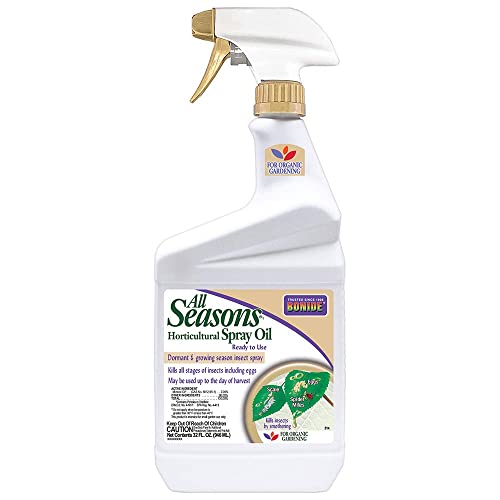
Control insects and diseases in your home garden with All Seasons Horticultural and Dormant Spray Oil Concentrate; use year-round to control listed insects and diseases

USE YEAR ROUND - Our 3-in-1 product provides year-round protection against insects, mites, and diseases. Can be used at the dormant stage, green tip stage, delayed dormant stage, and during the growing season to prevent pest infestations and disease.

Kills insects, diseases and mites year round
Dormant Oil Formulation Components
Understanding the components of dormant oil formulations is crucial for maximizing the health of mango trees and ensuring bountiful harvests. Each ingredient plays a specific role in pest control and tree vitality, making it essential for growers to choose the right blend. This section delves into the key elements that contribute to effective dormant oil applications.
The effectiveness of dormant oil relies on its formulation. Common ingredients include:
Mineral oil: A refined petroleum product that suffocates pests.
Vegetable oil: A more environmentally friendly option that is less toxic.
Emulsifiers: Help the oil mix with water for even application.
Understanding these components allows for better selection of the right product for your mango trees.
Dormant Oil Application Best Practices
Applying dormant oil to mango trees is a crucial step in ensuring their health and productivity. This technique not only helps control pests and diseases but also promotes vigorous growth. Understanding the best practices for application can significantly enhance your harvest, leading to robust and fruitful trees.
Timing is crucial for the effective use of dormant oil. The best time to apply is during the dormant season, typically late winter or early spring. Follow these steps for optimal results:
Choose a calm day: Apply when wind speeds are low to prevent drift.
Check temperatures: Ensure temperatures are above 40°F to avoid tree damage.
Prepare the mixture: Follow the manufacturer’s instructions for dilution.
Use a sprayer: Apply evenly to all surfaces of the tree, including branches and trunk.
| Step | Action | Notes |
|---|---|---|
| 1 | Choose a calm day | Low wind speeds prevent drift |
| 2 | Check temperatures | Avoid applying below 40°F |
| 3 | Prepare the mixture | Follow dilution instructions |
| 4 | Use a sprayer | Ensure even coverage |
Pests and Diseases Affected by Dormant Oil
Dormant oil is a powerful tool for managing pests and diseases that threaten mango trees. By suffocating insects and inhibiting fungal growth, it helps create a healthier environment for fruit production. Understanding the specific pests and diseases affected by dormant oil can enhance your orchard’s overall vitality and yield.
Dormant oil effectively targets various pests and diseases that can harm mango trees. Key threats include:
Scale insects: These pests can weaken trees by sucking sap.
Spider mites: Known for causing leaf discoloration and drop.
Powdery mildew: A fungal disease that affects leaf health.
By using dormant oil, you can significantly reduce the presence of these threats, leading to a healthier tree and better fruit production.
Application Safety Guidelines for Dormant Oil
While dormant oil is generally safe, taking precautions is essential. Always wear protective gear, including gloves and masks, to avoid skin and respiratory irritation. Ensure that pets and children are kept away from treated areas until the oil has dried.
Monitor weather conditions to prevent rain from washing away the oil before it has time to work.
Dormant Oil Application Challenges
Applying dormant oil to mango trees can significantly enhance their health and productivity, but it also comes with its share of challenges. Understanding these obstacles is crucial for effective application, ensuring that the benefits outweigh any potential drawbacks. This section delves into the common issues faced during the application process and offers insights for overcoming them.
Sometimes, issues may arise during the application of dormant oil. Here are common problems and solutions:
Oil not adhering: Ensure the tree is dry before application.
Pest resurgence: Reapply oil if pests return after a few weeks.
Leaf burn: If temperatures are too high, consider applying at cooler times of day.
| Issue | Solution |
|---|---|
| Oil not adhering | Apply on dry trees |
| Pest resurgence | Reapply after a few weeks |
| Leaf burn | Apply during cooler hours |
Assessing Dormant Oil Impact on Mango Trees
Understanding the effects of dormant oil on mango trees is crucial for maximizing fruit quality and yield. This section delves into the benefits and potential drawbacks of using dormant oil, providing insights into how it influences tree health and pest management. By assessing its impact, growers can make informed decisions to enhance their harvests.
After application, evaluate the health of your mango trees. Look for signs of improved growth and reduced pest activity. Regular monitoring will help you determine if additional treatments are necessary.
By implementing these practices, you can ensure that your mango trees remain healthy and productive throughout the growing season.
