

Have you ever plucked a nectarine fresh from the tree, only to find it disappointingly unripe? Picture this: you’re eagerly waiting for those juicy, sweet nectarines to be ready for picking, but how long does it actually take for them to ripen on the tree? If you’ve pondered over this question while gazing at your nectarine tree, you’re not alone.
In this article, you’ll discover the fascinating journey nectarines undergo from blossom to ripe fruit right on the tree. Understanding the ripening process can help you savor the perfect nectarine at its peak flavor. So, how can you tell when it’s the ideal moment to pluck those sun-kissed fruits? Let’s explore the ripening timeline of nectarines together.
Key Takeaways
- Sunlight exposure, temperature, water supply, tree health, fruit thinning, and nectarine variety are critical factors affecting the ripening process of nectarines on the tree.
- Signs of nectarine ripeness include changes in color, texture, smell, taste, and ease of detachment from the tree.
- Pruning selectively, increasing sun exposure, monitoring soil moisture levels, providing nutrient-rich soil, sheltering from harsh conditions, and considering ethylene exposure can accelerate nectarine ripening.
- Harvest nectarines at the right time by observing physical signs, checking for aroma, considering texture, taste testing, harvesting in the early morning, and handling with care.
- Store ripe nectarines at room temperature for short-term consumption or refrigerate them in the crisper drawer for longer storage, avoiding overcrowding to maintain freshness.
Factors Affecting Nectarine Ripening on Tree
Understanding the factors that influence the ripening process of nectarines on the tree can help you determine the perfect time to enjoy these juicy fruits. Here are key elements that affect how long it takes for nectarines to ripen on the tree:
Sunlight Exposure
Direct sunlight plays a crucial role in the ripening of nectarines on the tree. The more sunlight the fruit receives, the quicker it will ripen. Adequate sunlight helps in the production of sugars within the nectarine, leading to a sweeter and more flavorful fruit.
Temperature
Optimal temperatures accelerate the ripening process of nectarines. Warmer temperatures promote the production of ethylene gas, a natural ripening agent produced by the fruit itself. This gas triggers the fruit to soften and develop its characteristic sweet taste.
Water Supply
A consistent and sufficient water supply is essential for nectarines to ripen properly. Water stress can delay the ripening process and affect the fruit’s texture and flavor. Ensure your nectarine tree receives adequate water to support healthy ripening.
Tree Health
The overall health of the nectarine tree can impact the ripening of the fruits. A tree that is diseased or nutrient deficient may not be able to develop nectarines to their full ripening potential. Proper tree care and maintenance are vital for optimal fruit ripening.
Fruit Thinning
Thinning excess fruit on the tree can contribute to faster and more uniform ripening. Overcrowded branches may hinder airflow and sunlight exposure to the remaining fruits, leading to uneven ripening. By thinning the fruit, you allow the tree to focus its resources on fewer fruits, promoting better ripening.
Variety of Nectarine
Different nectarine varieties have varying ripening times. Some varieties ripen earlier than others, so the type of nectarine you have can influence how long it takes for the fruit to ripen on the tree. Understanding the specific ripening characteristics of your nectarine variety can help you plan for harvest.
By considering these factors that affect nectarine ripening on the tree, you can optimize the conditions for your nectarines to ripen deliciously, ensuring a bountiful harvest of flavorful fruits.
Signs of Nectarine Ripeness
When it comes to determining the perfect time to harvest nectarines, observing the signs of ripeness is key. Here are indicators that your nectarines are ready for picking:
Color:
- Look for a background color change from green to yellow for yellow nectarine varieties or from green to creamy yellow for white nectarines.
- A red blush on the fruit’s skin, especially near the stem end, indicates ripeness.
Texture:
- Gently squeeze the fruit; it should yield slightly to pressure without being too soft.
- The skin should feel smooth and taut, indicating maturity.
Smell:
- Ripe nectarines give off a sweet, fragrant aroma near the stem.
- If the fruit smells overly sweet or fermented, it may be overripe.
Taste:
- A well-ripened nectarine should be juicy, sweet, and flavorful.
- Taste a small sample to ensure optimal ripeness before harvesting in bulk.
Touch:
- Nectarines should detach easily from the tree with a slight twist.
- Avoid forcefully pulling the fruit, as this can damage both the nectarine and the tree.
- A ripe nectarine will feel heavier than an unripe one due to its water content.
- Pick up the fruit and assess if it feels substantial for its size.
Tips for Accelerating Nectarine Ripening
When aiming to hasten the ripening process of nectarines on the tree, there are several simple yet effective tips you can employ. By optimizing certain factors, you can expedite the development of your nectarines to ensure a timely harvest when they reach their peak ripeness.
Recommended Products
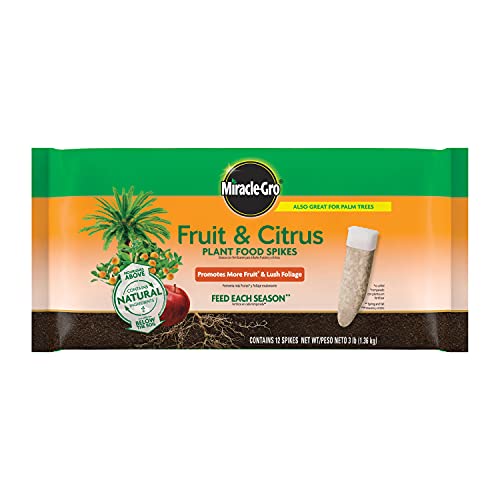
FORMULATED FOR CITRUS AND FRUIT TREES: Use these citrus fertilizer spikes on apple, orange, lemon, lime, and avocado trees; this formula is also great for feeding palm trees

Let our professionally formulated plant food help your fruit tree grow healthy, strong AND abundantly producing

Made for Lemon & Citrus Trees – Formulated to support healthy growth in lemon and citrus plants.
Prune Sparingly, Boost Ripening
Pruning your nectarine tree selectively can enhance the ripening of the fruits. While excessive pruning can reduce fruit production, strategic pruning to remove some branches and leaves can channel the tree’s energy into ripening the remaining nectarines more quickly.
Increase Sun Exposure
Ensuring that your nectarines receive adequate sunlight is crucial for accelerating ripening. Positioning the tree in a sunny location or trimming surrounding branches to allow more sunlight to reach the fruits can expedite the ripening process.
Monitor Soil Moisture Levels
Maintaining optimal soil moisture is essential for promoting nectarine ripening. Consistent watering, especially during dry spells, can support the tree in expediting the ripening of the fruits. However, be cautious not to overwater, as excessive moisture can impede ripening.
Provide Nutrient-Rich Soil
Fertilizing your nectarine tree with the appropriate nutrients can facilitate faster fruit ripening. Ensure the soil is rich in essential nutrients like potassium, phosphorus, and nitrogen to support the tree’s growth and hasten the ripening of the nectarines.
Shelter from Harsh Conditions
Protecting your nectarine tree from extreme weather conditions, such as strong winds or heavy rains, can prevent damage to the fruits and aid in faster ripening. Consider using shelters or coverings during inclement weather to maintain ideal ripening conditions.
Consider Ethylene Exposure
Exposing nectarines to ethylene gas can accelerate the ripening process. Placing ripe fruits like bananas or apples near the nectarines can release ethylene, a natural plant hormone that promotes ripening, helping your nectarines ripen more quickly.
By implementing these practical tips and techniques, you can actively contribute to expediting the ripening of nectarines on the tree, ensuring a timely and bountiful harvest of delicious, perfectly ripe fruits for your enjoyment.
Harvesting Nectarines at the Right Time
Harvesting nectarines at the optimal time ensures you enjoy sweet, juicy fruits bursting with flavor. Timing is crucial when plucking nectarines from the tree.
- Observing Physical Signs: Look for nectarines with vibrant colors like red or yellow, depending on the variety. Additionally, gently squeeze the fruit; if it yields slightly, it’s ready for picking.
- Checking for Aroma: A ripe nectarine emits a fruity fragrance. Bring the fruit close to your nose; a pleasant scent indicates ripeness.
- Considering Texture: When nectarines feel firm but give slightly to gentle pressure, they are ripe. Avoid fruits that are rock hard or overly soft.
- Taste Testing: Taste a small sample to confirm sweetness. The flavor should be balanced and delicious.
- Harvesting Timing: Early mornings are ideal for harvesting nectarines. Ensure the fruits are dry, as wet conditions can lead to spoilage.
- Gentle Handling: Handle the nectarines with care to prevent bruising. Hold the fruit gently and twist it off the stem rather than pulling.
- Storage Tips: If the nectarines need further ripening, place them in a paper bag with a banana or apple. Check them daily until they reach the desired ripeness.
By following these simple guidelines, you’ll harvest nectarines at the perfect moment, guaranteeing a delightful and flavorful experience with each bite.
Recommended Products

Made from commercial-grade durable stainless steel, ensuring long-lasting use without bending or breaking.

FRUIT PICKER HEAD ONLY: Includes 1 fruit picking basket head with a net bag; pole is not included. This fruit picker head is a practical accessory for replacing or adding a picking basket to a compatible pole. Ideal for home gardens, orchards, farms, parks, and outdoor fruit harvesting.

Innovative Razor Design - Our blackberry picker is equipped with a sharp razor that cuts through fruit and stems with ease, ensuring a safe and painless picking process that protects your hands from the thorns in the bushes and makes picking easy and enjoyable
Storing Ripened Nectarines
Once your nectarines have ripened on the tree, it’s essential to store them properly to maintain their flavor and freshness. Here are some tips to help you store your perfectly ripe nectarines:
Recommended Products

Safe Protector : Protect your apples, peaches, pears, persimmons, dragon fruits, guavas, tomatoes, potatoes, bananas, oranges, plums, nectarines, veggies

This freezer bag stand works like an extra set of hands for filling quart size freezer or storage bags
Handling Ripe Nectarines
Gently pick the ripe nectarines from the tree to avoid bruising or damaging the delicate skin. Remember, ripe nectarines are at their peak flavor, so handle them with care to prevent any loss of quality.
Storage Temperature
Store your ripe nectarines at room temperature if you plan to consume them within a day or two. Avoid direct sunlight and areas with excessive heat, as this can cause them to spoil quickly.
Refrigeration
If you need to store your nectarines for a longer period, consider placing them in the refrigerator. Place the ripe nectarines in the crisper drawer to maintain their freshness. Remember not to overcrowd them to allow for proper air circulation.
Ripeness Testing
Before storing, make sure your nectarines are perfectly ripe. Check for a gentle yield when you press them lightly – they should give slightly without being too soft. Additionally, their aroma should be sweet and fragrant, indicating optimal ripeness for storage.
Use of Paper Bags
To extend the shelf life of your ripe nectarines, consider placing them in a paper bag. The paper will absorb excess moisture, helping prevent the nectarines from becoming too ripe too quickly.
Avoid Refrigerating Unripe Nectarines
If your nectarines are not fully ripe, refrain from refrigerating them. Instead, leave them at room temperature to allow them to ripen fully, ensuring a more flavorful end result.
By following these storage tips, you can enjoy your perfectly ripened nectarines for longer while savoring their juicy sweetness. Proper storage preserves the fruit’s quality and ensures you can enjoy its delectable taste to the fullest.
Conclusion
You now have a better understanding of the factors that influence the ripening of nectarines on the tree, as well as the signs to look for when determining if they are ready to be harvested. By following the tips provided in this article, you can ensure that you pick your nectarines at the peak of ripeness, resulting in a delicious and flavorful fruit. Remember to handle and store your nectarines with care to maintain their freshness and taste. Enjoy the sweet and juicy goodness of perfectly ripened nectarines straight from your own tree!
Frequently Asked Questions
What factors influence the ripening process of nectarines on the tree?
The ripening process of nectarines is influenced by factors like sunlight exposure, temperature, water supply, tree health, fruit thinning, and nectarine variety.
How can I tell if a nectarine is ripe?
A ripe nectarine exhibits signs like color change, slightly soft texture, sweet aroma, pleasant taste, and slight firmness when gently pressed.
When is the right time to harvest nectarines?
Harvest nectarines when they show physical signs of ripeness like color change, emit a sweet aroma, have a slight softness to touch, and pass a taste test for sweetness.
How should I store ripened nectarines?
Store ripened nectarines properly by handling them gently, keeping them at room temperature, testing for ripeness, using paper bags for ethylene exposure, and avoiding refrigerating unripe nectarines.
