

Have you ever watched in frustration as birds feast on your prized fruit trees? You’re not alone. Many gardeners in Australia face this common challenge, and it can feel disheartening when all your hard work is at risk.
Key Takeaways
- Identify Problematic Bird Species: Common raiders of Australian fruit trees include Rainbow Lorikeets, Starlings, Cockatoos, and Magpies, each with unique behaviors affecting your fruit yield.
- Understand Impact on Yields: Birds can significantly damage fruit production, potentially reducing your harvest by 30% to 50% if preventative measures are not taken.
- Implement Physical Barriers: Use bird nets, row covers, and tree guards to physically block birds from accessing your fruit, ensuring that the materials used do not restrict necessary sunlight and rain.
- Utilize Scare Tactics: Incorporate visual deterrents like scarecrows and reflective items, as well as sound devices emitting predator calls to create an unsettling environment for birds.
- Plant Companion Species: Grow herbs and flowers around your fruit trees that naturally deter birds, such as basil, mint, and marigolds, to enhance your garden’s appeal while providing protection.
- Regular Monitoring and Adaptation: Continuously assess the effectiveness of your bird deterrent methods, adjusting strategies as necessary to stay ahead of bird behaviors and protect your fruit trees.
Understanding The Problem
Birds can severely disrupt fruit production for Australian gardeners. Understanding the specific birds involved and the extent of their impact helps in finding effective solutions.
Common Bird Species Affecting Fruit Trees
Several bird species commonly raid fruit trees in Australia:
- Rainbow Lorikeets: These vibrant birds feed on nectar but also enjoy ripe fruits like figs and peaches.
- Starlings: Starlings can quickly strip entire trees of cherries and grapes.
- Cockatoos: These larger birds break branches and uproot fruit, causing significant damage.
- Magpies: Magpies often target fruits such as mulberries and are known for their aggressive behavior.
Identifying these birds is crucial in tailoring deterrent strategies to protect your fruits.
Impact of Birds on Fruit Yield
Birds can cause considerable losses in fruit yield. In some cases, losses can reach 30% to 50% of the total harvest if left unchecked. They often consume ripe fruits, leading to:
- Reduced Quantity: Fewer fruits remain for harvesting, impacting overall yield.
- Lower Quality: Damage to fruits can make them susceptible to diseases, affecting marketability.
- Increased Labor: Gardeners may spend additional time repairing damage or protecting the trees.
Understanding these impacts emphasizes the need for proactive measures to safeguard your fruit trees.
Effective Strategies
Protecting your fruit trees from birds in Australia involves practical and proactive measures. Use a combination of physical barriers and scare tactics to reduce bird damage effectively.
Recommended Products

Size: Deer netting size 7 feet x 100 feet; garden netting mesh size 3/4"; color: black; Easy to use accessories included: 10pcs installation nails & 50pcs cable ties
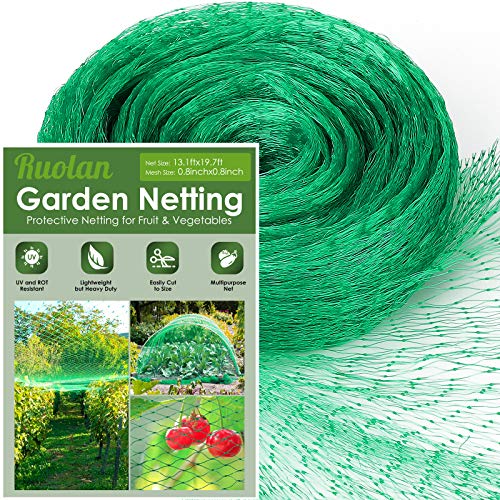
【Perfect size】(Garden Netting size 13ftX20ft, Mesh Size 0.8inchX0.8inch), Protect fruit tree plant blueberry strawberry from animals
Physical Barriers
Install nets around your fruit trees. Bird netting provides coverage that deters access without harming the birds. Choose lightweight materials that allow sunlight and rain to reach the fruits. Secure the edges of the net tightly to prevent birds from sneaking in.
Consider using row covers or mesh screens for smaller trees. These provide an additional layer of protection while allowing airflow. Regularly check for any wear and tear on these barriers, replacing them when needed.
Use tree guards, like PVC or mesh structures, to protect the lower parts of the trees. These can block ground-feeding birds from accessing fallen or low-hanging fruits. Position them strategically to cover ripe fruits while allowing for growth.
Using Scare Tactics
Employ visual deterrents like scarecrows. Create a life-sized figure that represents a threat to birds. Use reflective materials such as old CDs or foil strips to catch the light. Hang these from branches to confuse and deter birds.
Integrate sound devices that produce predator calls or alarms. These sounds create an unsettling environment for birds. Test these devices regularly to ensure they remain functional and effective.
Rotate your scare tactics frequently. Birds can adapt to static displays over time. Vary your methods to maintain their effectiveness. By using a mix of strategies, you keep birds on their toes, reducing the chances of a fruit tree raid.
Natural Deterrents
Natural deterrents offer an eco-friendly way to keep birds away from your fruit trees. These methods often blend with your garden’s environment, enhancing its appeal while protecting your harvest.
Recommended Products

【For Balconies, Eaves, Fruit Trees, Docks & Boats】Target the places birds return to most. Use this bird deterrent for outside around balconies, rooflines, eaves, patios, gardens, orchards, fruit trees, docks and boats. Ideal as a pigeon repellent and woodpecker deterrent for residential, garden and waterfront areas with frequent bird activity.
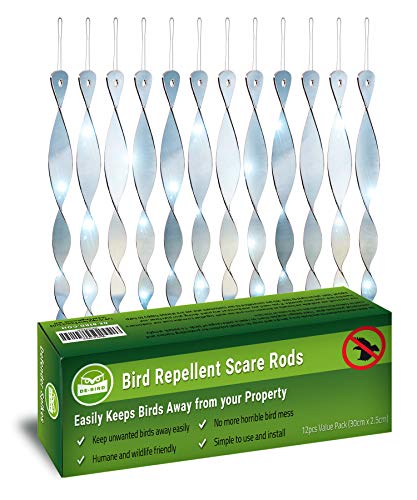
Durable Bird Protection: De-Bird's Bird Scare Rods offer a reliable solution for deterring birds from gardens and patios. These bird repellent devices outdoor utilize reflective surfaces to create a visual disturbance, effectively keeping birds away

Drive Birds Away - Spiral design makes MorTime Bird Spiral Rods reflect light in multiple refraction angles, especially helpful when there is a breeze or under direct sunlight.
Planting Companion Species
Plant companion species that deter birds naturally. Consider herbs like basil, mint, and rosemary, which emit strong scents that can confuse and repel birds. Flowers like marigolds and nasturtiums can also help, as their vibrant colors can distract birds from the fruit. Ensure to plant these companions around your trees for maximum effectiveness.
Utilizing Sound Devices
Utilize sound devices to create a disruptive environment for birds. High-frequency sound devices, which emit sounds that mimic predator calls, work well to scare birds away. Alternatively, wind chimes or bells can produce erratic noises that keep birds on edge. Position these devices near your trees for the best results, and occasionally change their location to maintain their effectiveness.
Best Practices
Implementing effective strategies against birds in your fruit trees involves timing and regular adjustments. Prioritize these practices for optimal results.
Recommended Products

HDPE Material for Outdoor Garden Use: Made from high-density polyethylene (HDPE), RIFNY garden bird netting is designed for outdoor plant protection and repeated seasonal use. The flexible mesh is suitable for backyard gardeners, vegetable gardens, raised beds, fruit trees, blueberry bushes, flower gardens, and orchards. The black netting provides a practical barrier for protecting plants while maintaining airflow and sunlight

【Perfect Size for Garden Protection】Avagiaforu bird netting for garden measures 13ft x 32ft with 0.8" x 0.8" mesh, providing wide coverage for beds, balconies, raised gardens and trees. This netting for garden protection allows sunlight, rain, airflow and pollinators to pass through while helping protect vegetables, plants and fruit trees for healthier growth and better harvests

【Perfect size】(Garden Netting size 13ftX130ft, Mesh Size 0.8inchX0.8inch), Protect fruit tree plant blueberry strawberry from animals
Timing of Implementation
Start your deterrent methods before fruits mature. Anticipating the arrival of birds makes a difference. Begin placing barriers and scare tactics at least two weeks prior to fruit ripening. This allows birds to associate your garden with discomfort before they discover the fruits. For instance, if you expect cherries to ripen in December, prepare your defenses by mid-November. Timing helps establish a protective environment that minimizes bird interference.
Regular Monitoring and Adjustment
Continuously assess the effectiveness of your chosen methods. Observe bird behavior in your area. If they adapt to your tactics, be ready to change them. Regularly reposition visual deterrents like scarecrows or reflective materials to maintain their surprise effect. Adjust sound devices too; frequent changes in their placement can keep birds on alert. Check for any signs of damage to your fruit and enhance your strategies accordingly. If there’s noticeable fruit loss, reevaluate and implement new deterrents immediately. Regular monitoring ensures you stay ahead of the birds’ responses.
Conclusion
Keeping birds away from your fruit trees doesn’t have to be a daunting task. By implementing a mix of physical barriers natural deterrents and sound devices you can create an environment that discourages those pesky visitors. Remember to start your strategies early and stay vigilant in monitoring their effectiveness.
With a little creativity and persistence you can protect your hard-earned harvest and enjoy the fruits of your labor. So go ahead and try out these tips and watch your trees thrive while keeping the birds at bay. Happy gardening!
Frequently Asked Questions
What types of birds are known to raid fruit trees in Australia?
In Australia, common birds that invade fruit trees include Rainbow Lorikeets, Starlings, Cockatoos, and Magpies. Identifying these species helps gardeners choose the best deterrent strategies to protect their crops.
How much fruit loss can gardeners expect from bird invasions?
Birds can cause significant crop damage, leading to fruit loss of 30% to 50%. This includes both quantity and quality reductions, making it crucial for gardeners to implement protective measures.
What are effective physical barriers to protect fruit trees?
Effective physical barriers include bird netting, row covers, and tree guards. These methods deter birds without harming them, allowing gardeners to protect their trees while still nurturing their fruit.
How can scare tactics help protect fruit trees?
Scare tactics like scarecrows, reflective materials, and sound devices can create an unsettling environment for birds. Rotating these tactics regularly keeps birds from becoming accustomed to them, ensuring ongoing protection.
What are some natural deterrents to keep birds away?
Natural deterrents include planting aromatic herbs such as basil, mint, and rosemary, which can repel birds. Bright flowers like marigolds and nasturtiums can also distract them while the fruit trees remain safe.
When should I start using bird deterrent methods?
It’s recommended to start using bird deterrent methods two weeks before your fruit is expected to ripen. This conditioning phase helps birds associate the area with discomfort, reducing their visits.
How often should I reassess the effectiveness of my deterrents?
Regular monitoring is essential. Reassess your deterrents frequently based on bird behavior and signs of fruit loss. This adaptability helps maintain an effective strategy to protect your harvest.
