

Have you ever wondered why your fig tree isn’t producing any fruit? You’re not alone. Many gardeners face this frustrating issue, especially after putting in the time and effort to nurture their trees. Fig trees can be tricky, and a lack of fruit can leave you scratching your head.
In this article, you’ll discover the common reasons your fig tree might not be fruiting. From environmental factors to care routines, we’ll explore what could be holding back your tree’s potential. By the end, you’ll have practical tips to encourage healthy growth and hopefully enjoy a bountiful harvest in no time.
Key Takeaways
- Understanding Care Requirements: Fig trees thrive in warm climates with well-drained soil, needing at least 6-8 hours of direct sunlight daily to promote fruiting.
- Watering and Nutritional Needs: Regular deep watering is crucial, along with a balanced fertilization strategy to ensure the necessary nutrients for healthy growth and fruit development.
- Pruning for Growth: Prune fig trees during dormancy to improve airflow and direct energy towards fruit production rather than excessive foliage.
- Seasonal Awareness: Recognize that fig trees have a dormant period in winter and the importance of timing in flowering and fruit production, adjusting care accordingly.
- Pest and Disease Management: Identify and address common pests and diseases early to maintain tree health and maximize fruiting potential.
Understanding Fig Trees
Fig trees (Ficus carica) thrive in warm climates but need specific conditions to produce fruit. Learning how these trees grow can help you troubleshoot fruiting issues.
Growth Conditions
Fig trees prefer well-drained soil. Ensure the soil has good organic matter, as it enhances drainage and nutrient availability. Fig trees flourish in hardiness zones 7 to 10, where temperatures average between 50°F and 100°F (10°C to 38°C). If you live outside this range, consider growing your tree in a container for easier temperature management.
Pollination Requirements
Certain fig varieties require pollination to produce fruit. For instance, the Smyrna variety needs a specific wasp for pollination. If you’re growing a variety like this, ensure it’s planted near a suitable pollinator.
Watering Practices
Watering figs correctly makes a significant difference in their fruiting patterns. Figs need regular moisture, but avoid overwatering. Aim for a deep watering once a week, especially during dry spells. Use mulch to help retain moisture while preventing weeds.
Sunlight Needs
Fig trees crave sunlight. Position your tree where it receives at least 6 to 8 hours of direct sun daily. If your tree’s growth appears leggy or sparse, it likely lacks sufficient light.
Fertilization Tips
Fertilizing fig trees helps with fruit production. Use a balanced fertilizer during the growing season—about once a month until mid-summer. A product with equal amounts of nitrogen, phosphorus, and potassium (such as 10-10-10) supports overall health.
Pruning Techniques
Prune fig trees during dormancy to promote growth and fruiting. Remove dead or crowded branches to improve airflow. This practice also directs energy into fruit production instead of excessive foliage.
Common Challenges
Fig trees face a few common challenges that inhibit fruiting:
- Temperature Fluctuations: Unexpected cold snaps can damage buds, reducing fruit yield.
- Pests: Look out for pests like scale and aphids. Infestations can detract from the tree’s health and ability to fruit.
- Diseases: Fungal infections may impede growth. Ensure proper airflow and avoid excessive moisture on the leaves.
By understanding these key aspects of fig tree care, you can better address the reasons your fig tree may not be fruiting. Focus on the growth conditions, watering, sunlight, fertilization, and pruning strategies to enhance your tree’s production.
Common Reasons for Lack of Fruit
Fig trees may not produce fruit due to a variety of factors. Understanding these reasons helps you troubleshoot and improve your tree’s performance.
Recommended Products

Let our professionally formulated plant food help your fruit tree grow healthy, strong AND abundantly producing

Let our professionally formulated plant food help your fruit tree grow healthy, strong AND abundantly producing

Environmental Factors
Environmental conditions play a significant role in fruit production. Fig trees flourish in warm climates with plenty of sunlight. For optimal growth, ensure your fig tree receives at least six hours of direct sunlight daily. Soil drainage is also crucial; well-drained soil prevents root rot, a common issue that hampers fruiting.
Temperature fluctuations affect flowering too. Fig trees need a minimum temperature of 60°F (15°C) to set fruit. If temperatures dip below this consistently, your tree may struggle to produce.
Nutritional Deficiencies
Nutritional deficiencies can inhibit fruiting as well. Fig trees require specific nutrients, particularly nitrogen, potassium, and phosphorus, for healthy growth and fruit development.
- Nitrogen: Promotes lush foliage. Too much nitrogen can lead to leafy trees with little fruit.
- Potassium: Essential for fruit quality and quantity. Adequate potassium levels enhance flavor and size.
- Phosphorus: Important for root development and flowering.
Testing your soil can identify deficiencies. Adding a balanced fertilizer that contains these nutrients encourages better fruiting. Follow application instructions to avoid over-fertilizing, which can damage roots and diminish fruit yield.
Plant Care and Maintenance
Proper care and maintenance are crucial for fig trees to thrive and produce fruit. Focus on watering practices and pruning techniques to enhance your tree’s fruiting potential.
Recommended Products
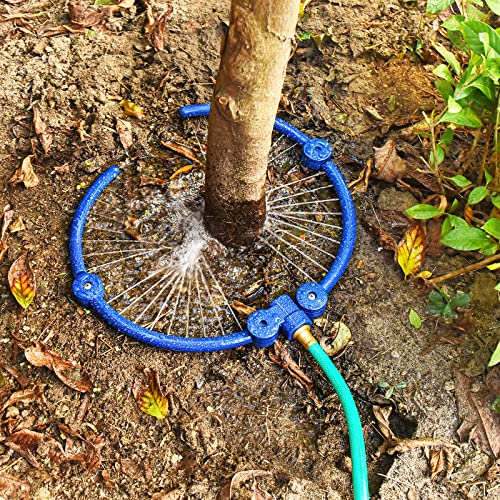
【Specially Designed for Trees and Shrubs】 The Watering Ring is a multi-purpose irrigation ring that attaches to a garden hose to efficiently water young trees shrubs vegetables or flower beds using drip or trickle irrigation.It directs water to the root perimeter of the plant to give them a good start during the first two growing seasons or through periods of drought.

For Plants and Trees that with root balls about 12” in dia., (11-15”, e.g. 3-10 Gallon Container Sizes have top diameters between 11-15”) - Uses 99% LESS WATER than traditional tree bag over the course of multiple seasons for better establishment of the newly planted trees and shrubs! When the plant root ball is larger than 15”, the 36”, 48”, or multiple units of these larger sized SteadySpring Tree Mats are recommended to cover an area double of the root ball size or at least 20” larger than the root ball.
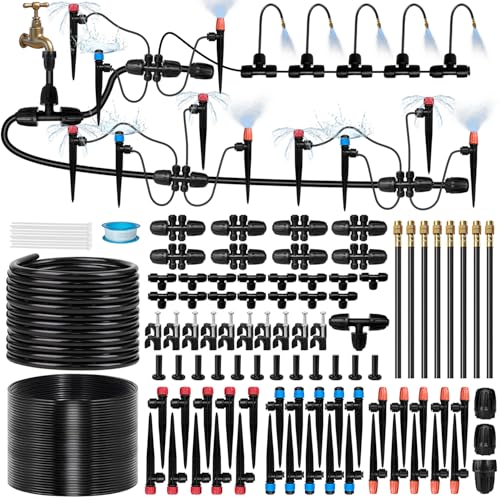
【Upgraded Tube Design & Water Saving】 Our garden watering system is upgraded to 1/2” diameter to support high water pressure. The 1/2” tee connector allows seamless splitting into 2 independent zones for customized watering schedules. By delivering moisture directly to root zones, this drip Irrigation system significantly reduces evaporation and runoff—saving more water compared to conventional sprinklers while eliminating the need for manual watering.
Watering Practices
Watering deeply yet infrequently promotes healthy root growth. Aim to water your fig tree every 7 to 10 days. Adjust frequency based on rainfall and climate. Ensure the soil is moist but not soggy, as excessive water can lead to root rot. Check the top few inches of soil; if dry, it’s time to water. Mulching around the base retains moisture and keeps roots cool. Consider using a drip irrigation system for consistent moisture.
Pruning Techniques
Pruning encourages better fruit production by improving air circulation and light penetration. Perform pruning in late winter or early spring before new growth begins. Aim to remove dead, damaged, or crossing branches. Thin out crowded branches to enhance airflow and reduce disease risk. Focus on shaping the tree to allow sunlight to reach the inner branches, where fruit typically develops. Cutting back older fruit-bearing wood can stimulate new growth and increase fruit yield in the following seasons.
Seasonal Considerations
Understanding seasonal factors can clarify why your fig tree isn’t fruiting. Climate and timing play significant roles in fruit production.
Dormancy and Fruit Production
Fig trees undergo a dormant period during winter months. This dormancy is crucial for the next growing season. When temperatures drop consistently below 60°F (15°C), plants conserve energy. In spring, when temperatures rise, fig trees wake from dormancy and prepare to produce fruit. If your tree isn’t showing signs of life by late spring, it may need more sunlight or warmth. If you’re in a cooler climate, consider choosing varieties like ‘Hardy Chicago,’ which can withstand colder temperatures.
Flowering Cycle
The flowering cycle of fig trees directly impacts fruiting. Most varieties produce fruits on new growth. Ensure your tree receives at least six hours of direct sunlight daily; this light encourages flowering. Healthy blossoms lead to successful fruit set. If your fig tree fails to flower, it might experience stress from improper watering or nutrient deficiencies. You can promote a robust flowering cycle by applying balanced fertilizer in early spring, ensuring your tree has the right nutrients to support its blooming phase.
By recognizing these seasonal patterns, you can take steps to enhance your fig tree’s fruiting potential. Adjusting care based on the seasons will improve the chances of a fruitful harvest.
Pests and Diseases
Pests and diseases can disrupt your fig tree’s ability to produce fruit. Identifying these issues early helps you take appropriate action.
Identifying Common Problems
Check for common pests. Aphids, spider mites, and whiteflies can damage fig trees by sucking sap from leaves. Look for sticky residue on leaves and signs of discoloration or wilting.
Monitor for disease indicators. Fungal infections like root rot or leaf blight can stunt growth and reduce fruiting. Watch for yellowing leaves, wilting, or mushy roots.
Inspect for environmental stress. High humidity or stagnant air can encourage pests and diseases. Ensure good air circulation around your fig tree, especially in warm weather.
Treatment Options
Apply insecticidal soap. Spray your tree with insecticidal soap to control pests safely. Repeat every 7 to 10 days until pests decrease.
Use neem oil. Neem oil acts as a natural pesticide and antifungal treatment. Apply it according to label instructions during cooler parts of the day to avoid burning leaves.
Implement proper watering techniques. Water deeply but infrequently to prevent root rot. Allow the top inch of soil to dry before watering again.
Prune affected areas. Remove any dying or diseased leaves and branches to improve airflow and prevent the spread of diseases. Dispose of the cuttings properly.
Consider biological controls. Introduce beneficial insects like ladybugs and lacewings. These predators will help reduce pest populations naturally.
By addressing pests and diseases promptly, you can support your fig tree’s overall health and enhance its fruiting potential.
Conclusion
Fig trees can be a bit tricky when it comes to fruiting but don’t lose hope. By paying attention to their specific needs and making a few adjustments in your care routine you can encourage your tree to produce those delicious figs.
Keep an eye on sunlight exposure soil quality and watering practices. Address any pest issues promptly and consider seasonal changes that might affect your tree’s growth. With a little patience and the right approach your fig tree could soon reward you with a bountiful harvest. Happy gardening!
Frequently Asked Questions
Why isn’t my fig tree producing fruit?
Fig trees may not produce fruit due to environmental factors, care routines, or disease. Common issues include inadequate sunlight (at least six hours), unsuitable soil conditions, and nutritional deficiencies. It’s essential to ensure your fig tree is in a well-drained area, receives proper watering, and gets enough nutrients to promote fruit production.
What type of soil do fig trees need?
Fig trees thrive in well-drained soil that retains some moisture without becoming waterlogged. Sandy loam or loamy soil with organic matter is ideal. Testing the soil for pH and nutrient levels can help ensure a suitable growing environment, which is crucial for healthy fig production.
How often should I water my fig tree?
Water your fig tree deeply but infrequently, about every 7 to 10 days. This encourages deep root growth. It’s important to allow the top inch of soil to dry out between watering sessions to prevent root rot, which can hinder fruiting.
What is the best time to prune fig trees?
The best time to prune fig trees is in late winter or early spring before new growth begins. Pruning at this time improves air circulation and light penetration, which can significantly enhance fruit production and overall tree health.
How much sunlight do fig trees need?
Fig trees require at least six hours of direct sunlight each day to produce fruit. Insufficient sunlight can impede flowering and fruiting, so ensure your tree is planted in a location that receives ample sunlight throughout the day.
What pests commonly affect fig trees?
Common pests affecting fig trees include aphids, spider mites, and whiteflies. These can reduce fruit production by stressing the plant. Regularly inspecting your fig tree and using organic treatments like insecticidal soap can help control pest populations effectively.
How does temperature affect fig tree fruiting?
Fig trees need a minimum temperature of around 60°F (15°C) to set fruit. Extreme temperature fluctuations, especially during flowering, can inhibit fruit development. It’s crucial to monitor temperature conditions and protect your tree from cold snaps during spring.
