

Have you ever wondered where those delicious blackberries you enjoy in pies and jams come from? Picture this: you’re out on a leisurely stroll, and suddenly you spot a cluster of plump, juicy blackberries glistening in the sunlight. The allure of these sweet treats is undeniable, but do you know where they grow and thrive?
In this article, we’ll explore the fascinating world of blackberry bushes and uncover the secrets of their ideal growing conditions. By understanding where blackberries flourish best, you’ll not only satisfy your curiosity but also enhance your appreciation for these delectable fruits. Get ready to discover the natural habitats that nurture these flavorful gems – it’s a journey that will deepen your connection to nature’s bounty.
Key Takeaways
- Blackberries thrive in temperate climates with moderate rainfall and sunlight, requiring consistent moisture during the growing season for optimal fruit development.
- Well-draining soil rich in organic matter with a slightly acidic to neutral pH level is essential for blackberry cultivation.
- Understanding different blackberry varieties and their growth locations can help appreciate the diversity of flavors and characteristics each type offers.
- Cultivating blackberries at home requires full sunlight exposure, well-draining soil, proper planting methods, support structures like trellises or stakes, and regular maintenance including watering, fertilization, pruning, and pest management.
- Growing your own blackberries not only provides nutritional benefits but also helps save money on groceries, reduce carbon footprint, control pesticide use, and contribute to a healthier environment.
Understanding Where Blackberries Grow
Blackberries thrive in diverse environments but require specific conditions to reach their full potential. Let’s delve into the ideal climate and soil requirements for optimal blackberry cultivation.
Recommended Products

Quick, at home results for Soil pH, Nitrogen, Phosphorous and Potash Innovative and inexpensive soil test kit features an easy-to-use capsule system and patented color comparators

Kindly NOTE: This soil tester can not be applied to test pH value of any other liquid. If the soil is too dry the indicator will not move, and water it before testing.

KNOW BEFORE YOU GROW | Grow the healthiest, sustainable lawn and garden with the most accurate and easy to use professional soil test kit on the market
Ideal Climate for Blackberry Cultivation
In general, blackberries prefer temperate climates with moderate rainfall and sunlight. They flourish in regions that experience distinct seasons, as this cycle promotes healthy growth and fruitful production. While they can adapt to various conditions, consistent moisture is crucial during the growing season. Extreme temperatures can impact fruit development, so aim for a climate that offers a balance of warmth and coolness throughout the year.
Soil Requirements for Optimal Growth
For blackberries to thrive, well-draining soil rich in organic matter is essential. A loamy soil structure provides the perfect foundation for root establishment and nutrient absorption. Additionally, maintaining a slightly acidic to neutral pH level (around 5.5-7) supports robust plant growth and fruitful yields. Regularly testing your soil composition can help you make necessary adjustments to create an ideal environment for your blackberry bushes.
By understanding these key factors influencing where blackberries grow best, you can cultivate a thriving crop that rewards you with bountiful harvests year after year.
Exploring Different Blackberry Varieties
When it comes to blackberries, there are various varieties that thrive in different locations around the world. Understanding these common and unique types can help you appreciate the diversity of this delicious fruit.
Recommended Products

PRODUCE A BUSHEL OF BLACKBERRIES — Produce Big Fresh Berry in the First Year of Planting (One of the Largest Blackberry size Varieties)

HIGH YIELD FRUIT: Each plant produces abundant, large, sweet berries ideal for fresh eating, baking, and preserving. Enjoy bountiful harvests with minimal effort.

Common Varieties and Their Growth Locations
- Marionberries: These blackberries are a popular variety known for their rich, earthy flavor. They are primarily grown in Oregon, where the climate provides ideal conditions for their cultivation.
- Boysenberries: A cross between raspberries, blackberries, and loganberries, boysenberries have a sweet-tart taste. They are commonly found in California due to its suitable growing environment.
- Sylvan Blackberries: These large, juicy blackberries are well-loved for their sweetness and are often cultivated in the Pacific Northwest region of the United States.
- Chester Thornless Blackberries: As the name suggests, these blackberries are thornless and perfect for easy picking. They flourish in regions with ample sunlight and well-draining soil.
- Apache Blackberries: Known for their firm texture and tangy flavor, Apache blackberries do well in warmer climates like those found in Southern states such as Texas and Florida.
- Himalayan Blackberry (Rubus armeniacus): Originating from Armenia but now prevalent across many countries, including the United States, these invasive yet tasty berries grow aggressively along roadsides and forest edges.
- Japanese Wineberry (Rubus phoenicolasius): This exotic variety is cherished for its unique wine-like flavor profile with hints of tanginess. It thrives in Japan’s temperate climate but has also been successfully cultivated in parts of Europe.
By exploring these different blackberry varieties and their growth locations, you can gain a deeper appreciation for the diverse range of flavors and characteristics that make each type unique.
Cultivating Blackberries at Home
Growing blackberries in your own garden can be a rewarding experience. Here’s how you can cultivate these delicious berries right at home.
Recommended Products

The blackberry is one of the most widely grown in the world, perhaps because it's also one of the easiest berries to grow. It produces a bountiful crop in summer.

【Nutritious】Blackberries are delicious and nutritious fruits. Blackberries are rich in vitamins and minerals, including calcium, iron, zinc, and more. Blackberries are also a good source of amino acids and essential dietary fiber.
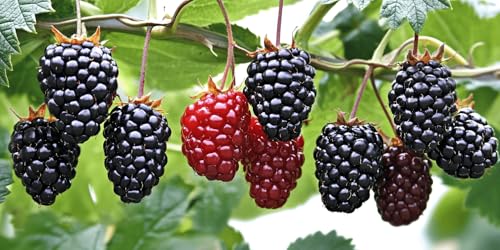
Sweet, Plump Berries from Your Own Garden- Grow 200+ non-GMO blackberry seeds into bushes that produce large, juicy berries bursting with natural sweetness—perfect for fresh eating, jams, and desserts, right from your backyard.
Preparing Your Garden
To start cultivating blackberries in your garden, you’ll need to ensure that you have the right conditions for them to thrive. Here are some steps to prepare your garden:
- Choose the Right Location: Select a spot in your garden that receives full sunlight for at least six hours a day. Blackberries need plenty of sun to grow and produce fruit.
- Soil Preparation: Make sure the soil is well-draining and rich in organic matter. Blackberries prefer slightly acidic soil with good drainage to prevent waterlogging.
- Planting Method: Blackberries can be planted in rows or as standalone bushes, depending on the variety you choose. Ensure proper spacing between plants to allow for adequate growth.
- Support Structures: Consider installing trellises or stakes to support blackberry canes as they grow taller. This will help prevent the plants from bending or breaking under the weight of the fruit.
Maintenance and Care Tips
Once your blackberry plants are established, it’s essential to provide them with proper care throughout the growing season. Here are some maintenance tips:
- Watering: Keep the soil consistently moist but not waterlogged, especially during dry periods or when fruits are developing. Water at the base of the plant to avoid wetting the foliage.
- Fertilization: Apply a balanced fertilizer in early spring before new growth appears and again after harvesting to promote healthy plant development and fruit production.
- Pruning: Regularly prune dead or damaged canes, as well as thin out excess growth to improve air circulation and sunlight exposure within the plant canopy.
- Pest and Disease Management: Monitor your plants for common pests like aphids or spider mites, and treat any infestations promptly using safe insecticidal soaps or natural remedies.
Benefits of Growing Your Own Blackberries
Growing your own blackberries provides various advantages beyond the satisfaction of cultivating your food. Here are some benefits you can enjoy:
Health Benefits of Blackberries
Blackberries are not only delicious but also pack a nutritional punch. They are rich in antioxidants, vitamins C and K, and dietary fiber. Antioxidants help protect your cells from damage, while vitamin C boosts your immune system. Including blackberries in your diet can aid in digestion due to their high fiber content.
Economic and Environmental Advantages
By growing your own blackberries, you can save money on grocery bills while reducing the carbon footprint associated with store-bought produce. Additionally, cultivating blackberries at home allows you to control pesticide use or opt for organic methods, contributing to a healthier environment for yourself and the planet.
Conclusion
Now that you’ve explored the world of blackberries, you’ve gained insights into their origins, flavors, and how to grow them at home. By cultivating your own blackberries, you not only enjoy their delicious taste but also reap health benefits like antioxidants and essential vitamins. Additionally, growing blackberries is a sustainable choice that can save you money and contribute to a greener environment. So why not try your hand at growing these delectable berries in your garden? Happy gardening!
Frequently Asked Questions
What are the health benefits of blackberries?
Blackberries are rich in antioxidants, vitamins C and K, and dietary fiber. They can help boost immunity, improve skin health, aid in digestion, and promote overall well-being.
How can I grow blackberries at home?
To grow blackberries at home successfully, ensure they have full sun exposure, well-drained soil with a slightly acidic pH level, and adequate air circulation. Plant them in early spring or late fall using certified disease-free plants. Regularly prune to encourage new growth and fruit production.
Why should I consider growing blackberries at home?
Growing blackberries at home offers various benefits such as cost savings on store-bought berries, reduced environmental impact by minimizing transportation emissions, and control over pesticide use for a healthier lifestyle. Additionally, homegrown blackberries taste fresher and are more flavorful than store-bought ones.
