

Quince trees thrive in Washington’s Pacific Northwest, provided they receive the right care and conditions. Proper soil management, pruning techniques, and pest control are essential for optimal growth and fruit production.
Quince Tree Growth Conditions in Washington
Quince trees require specific conditions to flourish in the Pacific Northwest. They prefer well-drained, loamy soil with a pH between 6.0 and 7.0. Adequate sunlight is crucial, so select a location that receives at least six hours of direct sunlight daily.
Soil Amendments for Healthy Quince Growth
Soil quality is crucial for the successful growth of quince trees in Washington’s unique climate. By understanding the specific amendments needed, you can enhance soil fertility and structure, ensuring your trees thrive. This section will explore the best practices for amending soil to support healthy quince development in the Pacific Northwest.
Soil preparation is vital for establishing healthy quince trees. Start by testing the soil to determine its pH and nutrient levels. Amend the soil based on the test results to ensure it meets the needs of the quince tree.
| Soil Amendment | Purpose |
|---|---|
| Compost | Improves soil structure and nutrients |
| Lime | Raises pH for acidic soils |
| Sulfur | Lowers pH for alkaline soils |
Incorporate organic matter to enhance drainage and fertility. Avoid heavy clay soils that retain excess moisture, as this can lead to root rot.
Quince Tree Pruning for Optimal Health
Pruning quince trees is essential for maintaining their health and maximizing fruit production, especially in the unique climate of Washington. Proper techniques not only encourage robust growth but also enhance air circulation and light penetration, which are crucial for fruit development. Understanding the best practices for pruning can lead to a more fruitful and vibrant quince harvest.
Pruning is essential for maintaining the shape and health of quince trees. Proper pruning encourages better air circulation and sunlight penetration. Begin pruning in late winter or early spring before new growth starts.
Recommended Products
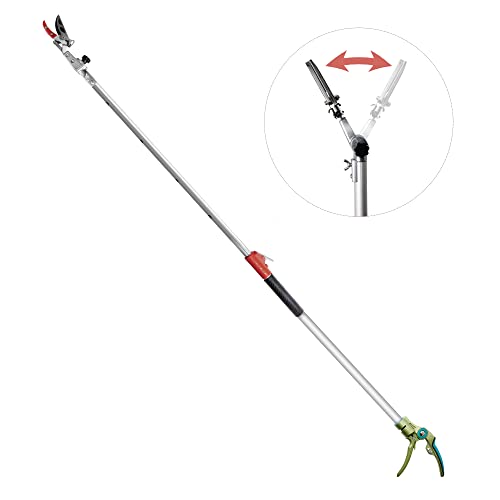
[Helpful Garden Tool] GARTOL brings to you a lightweight and extendable pruning tool to reach out to the least approachable arenas of your garden. You can conveniently get across other plants to remove the fastgrowing brambles and sting nettles without getting scratched or hurt. For gardening lovers, the telescopic pruner cutter head can can be rotated which resolves mobility issues and gives you the pleasure of trimming your garden without bending down or using a ladder to climb and cut them.

[Cut & Hold Pole Pruner for Tree Trimming] This long reach cut and hold pruner makes it easy to grip and remove branches, flowers, or fruit without dropping them. Perfect as a pole fruit picker for harvesting lemons, oranges, apples, or persimmons, and for trimming shrubs and bushes without climbing a ladder.

Adjustable and Durable Handle - Extendable Loppers: The lopping shears are adjustable from 16 inches to 24 inches, allowing you to handle tall branches easily. The iron arm is more sturdy and durable, and will not bend even when cutting large and thick branches.
Pruning Techniques for Quince Trees
Pruning quince trees is essential for promoting healthy growth and maximizing fruit production, especially in the unique climate of Washington. Understanding the right techniques and timing can significantly impact the tree’s structure and yield. This section explores effective pruning strategies tailored for quince trees in the Pacific Northwest.
Remove dead or damaged branches to promote overall health.
Thin out crowded areas to improve air circulation.
Cut back excessive growth to maintain a balanced shape.
Regular pruning not only enhances the tree’s appearance but also increases fruit production.
Quince Tree Pest and Disease Control Techniques
Maintaining healthy quince trees in Washington requires vigilance against pests and diseases that can threaten their growth. Understanding the common issues these trees face and implementing effective control techniques is essential for successful cultivation in the Pacific Northwest. This section explores practical strategies to protect quince trees and ensure a fruitful harvest.
Pest and disease management is crucial for quince tree health. Common pests include aphids and codling moths, while diseases like fire blight can pose significant threats.
Recommended Products

Controls Fire Blight and Bacterial Wilt, Stem Rot, Leaf Spot, and Crown Gall.

SYSTEMIC FUNGICIDE - For control of root rot, downy mildew, fire blight, sudden oak death (s.o.d.), phytopthora & pythium diseases and other listed diseases.
Pest Control Strategies for Quince Trees
Effective pest control is essential for maintaining healthy quince trees in Washington’s unique climate. Understanding the specific pests that affect quince trees and implementing targeted strategies can significantly enhance fruit quality and yield. This section explores practical methods for managing pests, ensuring your quince trees thrive in the Pacific Northwest.
Monitor regularly for signs of pests and diseases.
Introduce beneficial insects like ladybugs to control aphid populations.
Apply organic pesticides when necessary, following label instructions.
Implementing these strategies can significantly reduce pest-related damage and improve overall tree vigor.
Quince Tree Watering Techniques for Growth
Proper watering techniques are essential for the healthy growth of quince trees in Washington’s unique climate. Understanding the specific moisture needs of these trees can significantly enhance fruit production and overall vitality. This section explores effective watering strategies tailored for the Pacific Northwest, ensuring your quince trees thrive throughout the growing season.
Watering is a critical aspect of quince tree care, especially during dry spells. Quince trees require consistent moisture but are susceptible to overwatering.
Deep Watering Techniques for Quince Trees
Deep watering is essential for the healthy growth of quince trees, particularly in the unique climate of Washington. Understanding effective techniques can significantly enhance the tree’s resilience and fruit production. This section explores various methods to ensure your quince trees receive the moisture they need to thrive in the Pacific Northwest.
Water deeply once a week during dry periods.
Use mulch to retain soil moisture and regulate temperature.
Avoid wetting the foliage to prevent fungal diseases.
Adjust watering frequency based on rainfall and soil moisture levels to ensure trees remain healthy and productive.
Optimal Fertilization for Quince Yield
Fertilization plays a crucial role in maximizing quince tree yields in Washington’s unique climate. Understanding the specific nutrient needs of these trees can enhance fruit quality and overall health. This section will explore the best fertilization practices tailored for the Pacific Northwest, ensuring robust growth and bountiful harvests.
Fertilization plays a key role in promoting healthy quince trees and maximizing fruit yield. A balanced fertilizer can provide the necessary nutrients for growth.
Spring Fertilization Strategies for Quince Trees
Spring is a crucial time for quince trees in Washington, as proper fertilization can significantly enhance their growth and fruit production. Understanding the specific nutrient needs and timing for application can help ensure these trees thrive in the Pacific Northwest’s unique climate. This section explores effective fertilization strategies tailored for quince trees during the spring season.
Early spring: Apply a balanced fertilizer to kickstart growth.
Mid-summer: Use a nitrogen-rich fertilizer to support fruit development.
Fall: Apply a low-nitrogen fertilizer to prepare the tree for winter.
Regular fertilization helps maintain nutrient levels, ensuring robust growth and abundant fruit.
Optimal Quince Harvesting Timing and Methods
Understanding the right timing and methods for harvesting quince in Washington is crucial for maximizing fruit quality and yield. The unique climate of the Pacific Northwest influences when these trees bear fruit, making it essential for growers to adopt effective harvesting strategies tailored to local conditions. This section will explore the optimal practices for harvesting quince in this region.
Harvesting quince fruit at the right time is essential for quality. Quince fruits change color as they ripen, typically turning a yellow hue.
Harvesting Techniques for Ripe Quince
Harvesting quince requires careful timing and technique to ensure the fruit reaches its peak flavor and texture. In the Pacific Northwest, where growing conditions can vary, understanding the signs of ripeness and employing the right methods can significantly enhance your yield. This section will explore effective harvesting techniques tailored for quince trees in this unique climate.
Check firmness: Ripe quince should be firm but not hard.
Gently twist and pull the fruit from the branch to avoid damage.
Handle carefully to prevent bruising during transport.
Proper harvesting techniques ensure that the fruit remains in good condition for storage or consumption.
Quince Tree Care Best Practices in Washington
Quince trees can thrive in Washington’s Pacific Northwest with the right care. Focus on soil preparation, pruning, pest management, watering, fertilization, and harvesting techniques to achieve optimal growth and fruit production. Regular monitoring and adjustments will lead to a successful quince harvest.
