
Close Menu
    Fruit Tree Hub
    • Home
    • Apple Trees
    • Lemon Trees
    • Mango Trees
    • Orange Trees
    • More Trees
      • Best Fruit Trees
      • Apricot Trees
      • Cherry Trees
      • Fig Trees
      • Lime Trees
      • Mulberry Trees
      • Peach Trees
      • Pear Trees
      • Plum Trees
      • Pomegranate Trees
    • Tips and Advice
      • Tools
    • About Us
      • Contact
      • Privacy Policy
    Fruit Tree Hub
    Home»Fruit Trees»Guava Trees»How Guava Trees Enhance Biodiversity
    Guava Trees

    How Guava Trees Enhance Biodiversity

    Lucy SmithBy Lucy SmithMarch 16, 20245 Mins Read
    Share Facebook Twitter Pinterest WhatsApp Email
    Share
    Facebook Twitter LinkedIn Pinterest Telegram Email

    Guava trees do more than just bear tasty fruits. They play a vital role in boosting the variety of plants and animals in their surroundings.

    Contents show
    1 Key Takeaways
    2 Guava Trees as Habitat for Wildlife
    3 Role of Guava Trees in Supporting Insects
    4 Guava Trees' Contribution to Soil Health
    5 Guava Trees and Bird Diversity
    6 Impact of Guava Trees on Local Ecosystem
    7 Conclusion

    These unassuming trees offer shelter to wildlife and support a wide range of insects, contributing to the local ecosystem.

    Let's explore how guava trees help enrich biodiversity and shape the entire environment in unexpected ways.

    Key Takeaways

    • Guava trees support a diverse array of wildlife, providing shelter and nesting sites for birds, attracting insects with their nectar and pollen, and attracting mammals with their fallen fruits.
    • Guava trees play a crucial role in supporting insect populations, attracting pollinators and providing a habitat for predatory insects that control pests.
    • Guava trees contribute to soil health by enriching the soil with nutrients through the decomposition of fallen leaves and helping to control soil erosion.
    • Guava trees enhance bird diversity by providing an ideal environment for foraging, offering secure nesting sites, and aiding in seed dispersal and pollination.

    Guava Trees as Habitat for Wildlife

    Guava trees provide a rich and essential habitat for a diverse array of wildlife, supporting numerous species and contributing to the overall biodiversity of their ecosystems. The tree canopy ecology of guava trees offers a unique and vital environment for various animals.

    Birds, such as parrots and doves, find shelter and nesting sites in the dense foliage, while insects, including butterflies and bees, are attracted to the nectar and pollen. This diverse ecosystem within the guava tree canopy plays a crucial role in wildlife conservation by providing food and protection for many creatures.

    MUST READ
    Where Do Guava Trees Grow Best

    Additionally, the fallen fruits attract mammals like bats and small rodents, further enriching the biodiversity. Understanding the significance of guava trees as a habitat for wildlife is essential for promoting conservation efforts and preserving these ecosystems.

    Role of Guava Trees in Supporting Insects

    As we consider the significance of guava trees as a habitat for wildlife, it becomes evident that their role in supporting insects is equally vital to the overall biodiversity of their ecosystems.

    Guava trees play a pivotal role in insect pollination, attracting a diverse array of pollinators such as bees, butterflies, and beetles. This activity fosters biodiversity conservation by supporting the reproduction of various plant species within the ecosystem.

    Additionally, guava trees contribute to pest control by providing a habitat for predatory insects that keep pest populations in check, thus maintaining a balanced ecosystem.

    The ecosystem services provided by guava trees in supporting insects are integral to the health and sustainability of the surrounding environment, showcasing the interconnectedness of all living organisms within these ecosystems.

    Recommended Products

    30+ Pink Guava Seeds Tropical Strawberry Guava Tree Seed Easy Fruit Fruit Garden Fresh Grow Plant Psidium guajava
    30+ Pink Guava Seeds Tropical Strawberry Guava Tree Seed Easy Fruit Fruit Garden Fresh Grow Plant Psidium guajava

    Elevate your garden with the exquisite charm of Tropical Strawberry Guava, and cultivate your own paradise with our 30pcs organic pink guava seeds.

    VIEW LATEST PRICE

    As an affiliate, we earn on qualifying purchases.

    Guava Tree Fertilizer – Liquid Plant Food for More Fruit, Better Flowering & Stronger Root Development, 8 oz
    Guava Tree Fertilizer – Liquid Plant Food for More Fruit, Better Flowering & Stronger Root Development, 8 oz

    Made for Guava Trees – Formulated to support healthy growth in guava trees at all growth stages.

    MUST READ
    How Guava Trees Benefit Local Ecosystems
    VIEW LATEST PRICE

    As an affiliate, we earn on qualifying purchases.

    Pink Guava Tree Live Plant, 4–6 Inch Tall Starter Plant, Fast Growing Tropical Fruit Tree, Low Maintenance Guava Plants Live for Planting Outdoor
    Pink Guava Tree Live Plant, 4–6 Inch Tall Starter Plant, Fast Growing Tropical Fruit Tree, Low Maintenance Guava Plants Live for Planting Outdoor

    PINK GUAVA TREE STARTER – TROPICAL FRUIT VARIETY: Grown for its pink-fleshed guava fruit at maturity and attractive green foliage, offering both decorative and productive value

    VIEW LATEST PRICE

    As an affiliate, we earn on qualifying purchases.

    Guava Trees' Contribution to Soil Health

    Contributing to the overall health and fertility of the soil, guava trees play a crucial role in sustaining the ecological balance of their surrounding environment. Through their extensive root systems and nutrient-rich leaves, guava trees significantly contribute to soil nutrient enrichment.

    The fallen leaves decompose, releasing essential nutrients that enrich the soil, promoting the growth of diverse microorganisms vital for soil health. Furthermore, the dense network of guava tree roots helps in controlling soil erosion by binding the soil together, preventing it from being washed away during heavy rains or strong winds.

    This erosion control is essential for maintaining the stability and structure of the soil, ultimately supporting the growth of various plant species and contributing to the overall biodiversity of the ecosystem.

    Recommended Products
    Guava Tree Fertilizer – Liquid Plant Food for More Fruit, Better Flowering & Stronger Root Development, 32 oz
    Guava Tree Fertilizer – Liquid Plant Food for More Fruit, Better Flowering & Stronger Root Development, 32 oz

    Made for Guava Trees – Formulated to support healthy growth in guava trees at all growth stages.

    VIEW LATEST PRICE

    As an affiliate, we earn on qualifying purchases.

    MUST READ
    Why Do Guava Trees Need Full Sun
    Miracle-Gro Tree and Shrub Plant Food Spikes - Deciduous, Flowering & Evergreen Tree Fertilizer Spikes, Hydrangeas, and Acid-Loving Plants, 12 Count, 3 lb.
    Miracle-Gro Tree and Shrub Plant Food Spikes - Deciduous, Flowering & Evergreen Tree Fertilizer Spikes, Hydrangeas, and Acid-Loving Plants, 12 Count, 3 lb.

    LASTING COLOR: Miracle-Gro Tree & Shrub Plant Food Spikes are fertilizer spikes for trees and shrubs; they promote vibrant color and foliage for trees and shrubs in your yard

    VIEW LATEST PRICE

    As an affiliate, we earn on qualifying purchases.

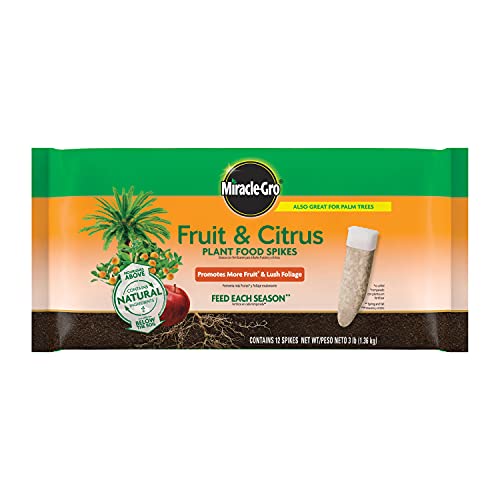
    Miracle-Gro Fruit & Citrus Plant Food Spikes - 10-15-15 NPK Easy-To-Use Nutrition for Fruit and Citrus Trees, Plant Fertilizer, 12 Spikes, 3 lb.
    Miracle-Gro Fruit & Citrus Plant Food Spikes - 10-15-15 NPK Easy-To-Use Nutrition for Fruit and Citrus Trees, Plant Fertilizer, 12 Spikes, 3 lb.

    FORMULATED FOR CITRUS AND FRUIT TREES: Use these citrus fertilizer spikes on apple, orange, lemon, lime, and avocado trees; this formula is also great for feeding palm trees

    VIEW LATEST PRICE

    As an affiliate, we earn on qualifying purchases.

    Guava Trees and Bird Diversity

    Nestled among the branches of guava trees, a diverse array of bird species finds refuge and sustenance, contributing to the rich tapestry of biodiversity within their habitat. The guava trees provide an ideal environment for bird foraging, attracting a variety of species such as parrots, orioles, and doves. These birds play a crucial role in the ecosystem by aiding in seed dispersal and pollination, further enhancing the biodiversity supported by the guava trees. Additionally, the dense foliage and sturdy branches of the guava trees offer secure nesting sites for birds, promoting successful breeding and population growth. The synergy between guava trees and bird diversity creates a harmonious ecosystem where each species plays a vital role, fostering a thriving environment.

    Bird SpeciesForaging BehaviorNesting Sites
    ParrotsSeed consumptionTree hollows
    OriolesNectar feedingCup-shaped nests
    DovesGround foragingBranches and foliage
    MUST READ
    Are Guava Trees Self-Pollinating

    Impact of Guava Trees on Local Ecosystem

    Guava trees profoundly influence the local ecosystem, shaping the environment and supporting a diverse range of flora and fauna. Here's how they impact the local ecosystem:

    • Nutrient Cycling: Guava trees enrich the soil by recycling nutrients, contributing to the overall health of the ecosystem. They shed leaves and fruits, which decompose, releasing essential nutrients back into the soil. This process supports the growth of other plants and provides food for various organisms.
    • Habitat for Wildlife: Guava trees provide shelter and food for a variety of local wildlife, fostering biodiversity. Birds, insects, and small mammals are drawn to the tree for nesting and feeding.
    • Pollinator Support: The flowers of guava trees attract pollinators, such as bees and butterflies, which play a crucial role in the reproduction of many plant species in the local ecosystem.

    Conclusion

    In nurturing guava trees, we not only enjoy their tasty fruit but also contribute to the health and balance of the local ecosystem. These trees provide homes to wildlife, support insect populations, improve soil health, and enhance bird diversity.

    By planting and preserving guava trees, we play a vital role in nurturing biodiversity and fostering a thriving environment for all.

    Share. Facebook Twitter Pinterest LinkedIn Tumblr Email
    lucy smith
    Lucy Smith
    • Website

    Lucy Smith is a highly experienced horticulturist with a passion for fruit tree cultivation. She holds a degree in Horticulture from the University of California, Davis, and has worked in various roles in the industry. With over 10 years of experience, Lucy is dedicated to using eco-friendly methods for sustainable gardening practices.

    Related Posts

    Why Do Guava Trees Produce Edible Seeds

    March 20, 2024

    Can Guava Trees Adapt to Climate Change

    March 20, 2024

    Creating a Wildlife Habitat With Guava Trees

    March 20, 2024

    Where Are Guava Trees Considered Invasive

    March 20, 2024

    Is Guava Tree Pollen Allergenic

    March 20, 2024

    Can Guava Trees Be Used in Traditional Medicine

    March 20, 2024
    Leave A Reply Cancel Reply

    Affiliate Disclosure

    As an Amazon Associate I earn from qualifying purchases.

    Recommended Reading

    How to Care for Dragon Fruit Tree: Essential Tips for Thriving Growth and Delicious Fruits

    Growing Mulberry Trees in Louisiana: Humidity and Soil Tips

    What is the Sweetest Tangerine Tree? Tips for Growing the Most Flavorful Varieties

    Can Walnut Trees Grow in a Pot in Arizona? Sun Care Tips

    Persimmon Trees in a Pot in Missouri (Expert Homeowner Secrets)

    How Many Types Of Mulberry Trees Are There

    Growing a Kiwi from Seed: Easy Steps to Cultivate, Harvest, and Enjoy Homegrown Delights

    What Fruit Trees Grow in the Northeast: Best Varieties and Care Tips for Thriving Gardens

    Are Fireplace Ashes Good for Fruit Trees? Discover Their Benefits and Best Practices

    Cherry Trees in Norfolk, VA: Tidewater Coastal Solutions

    Fruit Tree Hub

    Fruit Tree Hub is a website dedicated to providing you everything you need to grow fruit trees successfully at in your own yard.

    Contact us at: [email protected]

    - AFFILIATE DISCLOSURE: As an Amazon Associate I earn from qualifying purchases.

    Latest Posts

    Can Grapefruit Trees Grow in Memphis, TN? Mid-South Tips

    How to Grow Guava Trees in Durham, NC: Triangle Secrets

    Tangerine Trees in Nevada (Desert Irrigation and Soil Prep)

    Plum Trees in a Pot in Austin, TX (Central Texas Growth Guide)

    Lemon Trees in Irvine, CA: Coastal Soil Management Secrets

    Growing Mango Trees in New York (Upstate Soil and Winter Tips)

    Can Pomegranate Trees Grow in a Pot in Tennessee? Expert Tips

    Mulberry Trees in a Pot in North Carolina: Piedmont Regional Tips

    Categories
    • Almond Trees
    • Apple Trees
    • Apricot Trees
    • Best Fruit Trees
    • Blackberry
    • Cantaloupe
    • Cherry Trees
    • Crochet Ideas
    • Crochet Ideas for Beginners
    • Cucamelon
    • Easy Crochet Ideas
    • Easy Knitting Projects
    • Fig Trees
    • Grapefruit Trees
    • Grapes
    • Guava Trees
    • Honeydew
    • Jujube Trees
    • Kiwi
    • Knitting For Beginners
    • Knitting Ideas
    • Knitting Inspiration
    • Lemon Trees
    • Lime Trees
    • Loquat Trees
    • Mango Trees
    • Mulberry Trees
    • Nectarine Trees
    • Olive Trees
    • Orange Trees
    • Papaya Trees
    • Peach Trees
    • Pear Trees
    • Persimmon Trees
    • Planting
    • Plum Trees
    • Pomegranate Trees
    • Quince Trees
    • Raspberry
    • Reviews
    • Small Crochet Ideas
    • Star Fruit Trees
    • Summer Crochet Ideas
    • Tamarind Trees
    • Tangerine Trees
    • Tips and Advice
    • Tools
    • Uncategorized
    • Walnut Trees
    © 2026 Fruit Tree Hub
    • Home
    • About Us
    • Contact
    • Privacy Policy
    • Terms and Conditions
    • Disclaimer
    • Editorial Policy
    • Affiliate Disclosure

    Type above and press Enter to search. Press Esc to cancel.