Close Menu
    Fruit Tree Hub
    • Home
    • Apple Trees
    • Lemon Trees
    • Mango Trees
    • Orange Trees
    • More Trees
      • Best Fruit Trees
      • Apricot Trees
      • Cherry Trees
      • Fig Trees
      • Lime Trees
      • Mulberry Trees
      • Peach Trees
      • Pear Trees
      • Plum Trees
      • Pomegranate Trees
    • Tips and Advice
      • Tools
    • About Us
      • Contact
      • Privacy Policy
    Fruit Tree Hub
    Home»Tips and Advice»The Best Time of Year to Fertilize Fruit Trees
    Tips and Advice

    The Best Time of Year to Fertilize Fruit Trees

    Lucy SmithBy Lucy SmithJuly 16, 2024Updated:March 26, 20254 Mins Read
    Share Facebook Twitter Pinterest WhatsApp Email
    The Best Time of Year to Fertilize Fruit Trees
    Share
    Facebook Twitter LinkedIn Pinterest Telegram Email

    Raw confession time. My first fruit trees looked like they’d been through a war. Sad twigs. Barely alive. All because I didn’t know squat about fertilizing.

    Contents show
    1 How I Learned (The Hard Way)
    1.1 What Changed Everything
    2 The Seasonal Dance of Fruit Tree Nutrition
    2.1 Spring: The Feeding Frenzy
    2.2 Summer: Proceed with Caution
    2.3 Fall: The Secret Fertilization Season
    3 Understanding Your Specific Fruit Trees
    4 The Soil Testing Game-Changer
    5 Organic vs Synthetic: The Great Fertilizer Debate
    6 Rookie Mistakes to Avoid
    7 The Real-World Practical Approach
    8 When to Call in the Professionals
    9 Final Thoughts

    Heck. I remember standing in my backyard thinking I’d completely blown my gardening dreams. My neighbor Bob – who’s been growing fruit trees since dinosaurs roamed – would walk by and just shake his head.

    “You’re doing it all wrong” he’d say. And boy was he right.

    How I Learned (The Hard Way)

    Fertilizing isn’t some magical science. It’s about understanding what your trees actually need. Sounds simple right? But trust me. I’ve killed more trees learning this lesson than most people have ever planted.

    My first apple tree? Total disaster. I’d dump random bags of fertilizer thinking more was better. Spoiler alert. It wasn’t.

    Turns out trees are kinda like humans. Feed them the wrong stuff at the wrong time and they get sick. Feed them right? They’ll produce more fruit than you know what to do with.

    What Changed Everything

    One Saturday Bob walked over with a soil testing kit. “Stop guessing” he told me. “Start knowing.”

    Those words changed everything. Suddenly fertilizing went from random guesswork to actual science. I started tracking soil temperatures. Understanding growth cycles. Watching my trees like a hawk.

    MUST READ
    How to Protect a Fruit Tree from Frost: Essential Tips for Safe and Healthy Harvests

    The Seasonal Dance of Fruit Tree Nutrition

    Here’s the real scoop on fertilizing through the year. It’s not a one-size-fits-all game.

    Spring: The Feeding Frenzy

    Springtime is when your trees wake up hungry. Think of it like breakfast after a long winter nap.

    Most fruit trees want their first meal right as they’re breaking dormancy. You’re looking at late winter or early spring – before those first tiny green buds start showing up. Soil temperature is your secret weapon. Aim for around 40-50 degrees.

    Watch for these signs:

    • Buds getting plump
    • Soil starting to feel workable
    • No more brutal freezes in the forecast

    Summer: Proceed with Caution

    Summer fertilizing is tricky. Do it wrong and you’ll stress out your trees faster than a teenager during exam week.

    Young trees might need a light mid-summer snack. Established trees? They’re usually good with just that spring feeding. Overdoing it can push new growth at the worst possible time – right before winter when trees should be battening down the hatches.

    My buddy Steve learned this lesson painfully. He fertilized his peach trees in late July and ended up with tender new shoots that got destroyed by the first frost. Ouch.

    Fall: The Secret Fertilization Season

    Most gardeners ignore fall. Big mistake.

    About a month before the first expected frost. That’s your golden window. You’re essentially packing a nutritional lunch box for your trees’ winter hibernation.

    Focus on:

    • Slow-release fertilizers
    • Potassium and phosphorus
    • Avoiding high nitrogen content

    Understanding Your Specific Fruit Trees

    Not all trees are created equal. An apple tree has different needs compared to a cherry or peach tree.

    MUST READ
    What Fruit Trees Grow in Containers That Thrive in Small Spaces for Urban Gardeners

    Citrus trees want frequent light meals. Stone fruit trees prefer fewer but more substantial courses. Apples and pears? They’re pretty chill and do well with a balanced approach.

    Recommended Products

    Espoma Organic Tree-Tone 6-3-2 Natural & Organic Fertilizer and Plant Food; 4 lb. Bag; Organic Fertilizer for All Trees. Use for Fruit Trees Like Peach & Apple Trees and All Shade Trees - Pack of 2
    Espoma Organic Tree-Tone 6-3-2 Natural & Organic Fertilizer and Plant Food; 4 lb. Bag; Organic Fertilizer for All Trees. Use for Fruit Trees Like Peach & Apple Trees and All Shade Trees - Pack of 2

    FOR USE ON: Use Tree-tone organic fertilizer for all shade, fruit and ornamental trees including apple and peach trees

    VIEW LATEST PRICE

    As an affiliate, we earn on qualifying purchases.

    Down To Earth All Natural Fertilizers Organic Fruit Tree - Plant Food for Apples, Pears, Plums and Tropical Fruit Trees 6-2-4, 5 lb
    Down To Earth All Natural Fertilizers Organic Fruit Tree - Plant Food for Apples, Pears, Plums and Tropical Fruit Trees 6-2-4, 5 lb

    Down to Earth Fruit Tree is a five pound box of all natural fertilizer with 6-2-4 formula and is listed by the Organic Materials Review Institute (OMRI) for use in organic production

    VIEW LATEST PRICE

    As an affiliate, we earn on qualifying purchases.

    Farmer's Secret Fruit Tree Booster Fertilizer (32oz) - Super Concentrated and Phosphorus Rich - Formulated for All Fruit Trees Including Peach, Banana, and Apple
    Farmer's Secret Fruit Tree Booster Fertilizer (32oz) - Super Concentrated and Phosphorus Rich - Formulated for All Fruit Trees Including Peach, Banana, and Apple

    Let our professionally formulated plant food help your fruit tree grow healthy, strong AND abundantly producing

    VIEW LATEST PRICE

    As an affiliate, we earn on qualifying purchases.

    The Soil Testing Game-Changer

    Wanna know the most important tool in my gardening arsenal? Soil testing kits.

    These little miracles tell you exactly what your soil is missing. It’s like a blood test for your garden. Some years you’ll need more nitrogen. Other years phosphorus is the magic ingredient.

    MUST READ
    How to Prune Neglected Fruit Trees for Healthier Growth and Bountiful Harvests

    Pro tip? Local agricultural extensions often do affordable testing. Worth every single penny.

    Organic vs Synthetic: The Great Fertilizer Debate

    Both have their place. I’m not picking sides.

    Organic fertilizers:

    • Slow and steady release
    • Improve overall soil health
    • Less likely to burn roots
    • Great for long-term garden vibes

    Synthetic fertilizers:

    • Quick results
    • Precise nutrient ratios
    • Good for targeted interventions

    My approach? A bit of both. Organic compost as a base. Targeted synthetic stuff when needed.

    Recommended Products

    Dr. Earth Natural Wonder Organic Fruit Tree Fertilizer - 4lb 5-5-2
    Dr. Earth Natural Wonder Organic Fruit Tree Fertilizer - 4lb 5-5-2

    Natural and Organic Hand Crafted Blend

    VIEW LATEST PRICE

    As an affiliate, we earn on qualifying purchases.

    Dr. Earth 70656 1 lb 5-5-2 MINIS Natural Wonder Fruit Tree Fertilizer
    Dr. Earth 70656 1 lb 5-5-2 MINIS Natural Wonder Fruit Tree Fertilizer

    100% organic & natural hand crafted blend

    VIEW LATEST PRICE

    As an affiliate, we earn on qualifying purchases.

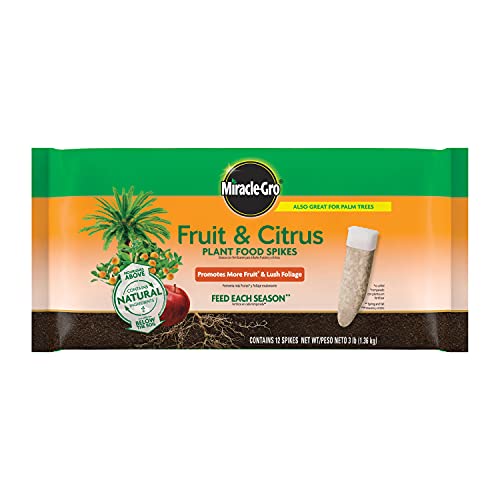
    Miracle-Gro Fruit & Citrus Plant Food Spikes - 10-15-15 NPK Easy-To-Use Nutrition for Fruit and Citrus Trees, Plant Fertilizer, 12 Spikes, 3 lb.
    Miracle-Gro Fruit & Citrus Plant Food Spikes - 10-15-15 NPK Easy-To-Use Nutrition for Fruit and Citrus Trees, Plant Fertilizer, 12 Spikes, 3 lb.

    FORMULATED FOR CITRUS AND FRUIT TREES: Use these citrus fertilizer spikes on apple, orange, lemon, lime, and avocado trees; this formula is also great for feeding palm trees

    VIEW LATEST PRICE

    As an affiliate, we earn on qualifying purchases.

    Rookie Mistakes to Avoid

    Let me save you years of heartache:

    • Never fertilize stressed trees
    • Stop using one-size-fits-all fertilizer
    • Pay attention to soil pH
    • Watch your trees. They’ll tell you what they need

    The Real-World Practical Approach

    My no-nonsense fertilization strategy:

    1. Test soil every 2-3 years
    2. Primary fertilization in early spring
    3. Use organic matter consistently
    4. Watch your trees closely
    5. Be ready to adjust
    MUST READ
    How Long Does a Coconut Tree Take to Bear Fruit and What You Need to Know for Success

    When to Call in the Professionals

    Sometimes you need an expert eye. Persistent tree issues? Call an arborist or local agricultural extension.

    Final Thoughts

    Fertilizing fruit trees isn’t rocket science. It’s about observation. Patience. Understanding.

    My first successful fruit tree took years of learning. Now I’ve got more fruit than I know what to do with.

    Trust the process. Stay curious. Keep learning.

    Happy growing friends!

    Share. Facebook Twitter Pinterest LinkedIn Tumblr Email
    lucy smith
    Lucy Smith
    • Website

    Lucy Smith is a highly experienced horticulturist with a passion for fruit tree cultivation. She holds a degree in Horticulture from the University of California, Davis, and has worked in various roles in the industry. With over 10 years of experience, Lucy is dedicated to using eco-friendly methods for sustainable gardening practices.

    Related Posts

    How Long Until Avocado Trees Bear Fruit and Tips for Faster Growth at Home

    February 20, 2025

    What Yellow Fruit Grows on Trees and Their Delicious Health Benefits

    February 20, 2025

    How to Air Layer Fruit Trees: A Step-by-Step Guide for Successful Propagation

    February 20, 2025

    When Do Grapefruit Trees Produce Fruit and How to Maximize Your Harvest

    February 20, 2025

    What Is a Fast Growing Fruit Tree: Discover Quick-Yield Options for Your Garden

    February 20, 2025

    Do Cherry Blossom Trees Have Fruit? Discover the Truth About Their Edibility and Benefits

    February 20, 2025
    Leave A Reply Cancel Reply

    Affiliate Disclosure

    As an Amazon Associate I earn from qualifying purchases.

    Recommended Reading

    Can Tamarind Trees Be Grown in Pots

    Growing Pomegranate Trees in South Carolina: 2026 Planting Tips

    Almond Trees in Lincoln, NE: Great Plains Growing Advice

    Top Fruit Trees for Middle Georgia: Cultivating Delicious Harvests with Ease

    Growing Apricot Trees in Connecticut (New England Harvest Guide)

    Lemon Trees in Cincinnati, OH: River Valley Growth Secrets

    How to Store Grapes to Last Longer in the Refrigerator: Essential Tips for Extended Freshness

    Can Pear Trees Grow In Colorado

    Grapefruit Trees in Chandler, AZ (Low-Water Success Tips)

    How Do I Identify a Fruit Tree: Tips for Recognizing Varieties in Your Neighborhood

    Fruit Tree Hub

    Fruit Tree Hub is a website dedicated to providing you everything you need to grow fruit trees successfully at in your own yard.

    Contact us at: [email protected]

    - AFFILIATE DISCLOSURE: As an Amazon Associate I earn from qualifying purchases.

    Latest Posts

    Growing Walnut Trees in Hawaii (Pro Advice for Homeowners)

    Mulberry Trees in Tennessee: Volunteer State Planting Secrets

    Peach Trees in Maryland (Mid-Atlantic Planting and Care)

    Plum Trees in New York City, NY: Urban Backyard Tips

    Guava Trees in Richmond, VA (Capital Region Planting)

    Can Orange Trees Grow in Idaho? Cold-Climate Solutions

    Guava Trees in Santa Ana, CA: Coastal Success and Care

    Growing Quince Trees in a Pot in Nebraska: Wind Care Tips

    Categories
    • Almond Trees
    • Apple Trees
    • Apricot Trees
    • Best Fruit Trees
    • Blackberry
    • Cantaloupe
    • Cherry Trees
    • Crochet Ideas
    • Crochet Ideas for Beginners
    • Cucamelon
    • Easy Crochet Ideas
    • Easy Knitting Projects
    • Fig Trees
    • Grapefruit Trees
    • Grapes
    • Guava Trees
    • Honeydew
    • Jujube Trees
    • Kiwi
    • Knitting For Beginners
    • Knitting Ideas
    • Knitting Inspiration
    • Lemon Trees
    • Lime Trees
    • Loquat Trees
    • Mango Trees
    • Mulberry Trees
    • Nectarine Trees
    • Olive Trees
    • Orange Trees
    • Papaya Trees
    • Peach Trees
    • Pear Trees
    • Persimmon Trees
    • Planting
    • Plum Trees
    • Pomegranate Trees
    • Quince Trees
    • Raspberry
    • Reviews
    • Small Crochet Ideas
    • Star Fruit Trees
    • Summer Crochet Ideas
    • Tamarind Trees
    • Tangerine Trees
    • Tips and Advice
    • Tools
    • Uncategorized
    • Walnut Trees
    © 2026 Fruit Tree Hub
    • Home
    • About Us
    • Contact
    • Privacy Policy
    • Terms and Conditions
    • Disclaimer
    • Editorial Policy
    • Affiliate Disclosure

    Type above and press Enter to search. Press Esc to cancel.