

Are your fruit trees looking healthy but still not blooming? You’re not alone. Many gardeners face the frustrating issue of trees that refuse to flower, leaving you wondering what went wrong.
Understanding why your trees might be shy about producing blossoms is key to enjoying a bountiful harvest. This article will explore common reasons for the lack of flowers and offer practical tips to encourage those blooms. By the end, you’ll have the knowledge to help your trees thrive and bring forth the fruits you’ve been dreaming of.
Key Takeaways
- Insufficient Pollination: Limited pollinator presence can lead to a lack of flowers. Encourage pollination by planting nearby pollinator-friendly flowers and considering hand pollination techniques.
- Soil Quality Matters: Compacted or nutrient-poor soil impacts tree health and flowering. Conduct soil tests and amend with organic matter to improve fertility and drainage.
- Watch Environmental Factors: Temperature fluctuations and inadequate light exposure can hinder flowering. Protect trees from late frosts and ensure they receive at least six hours of sunlight daily.
- Address Tree Health Issues: Pest infestations and nutrient deficiencies can prevent blooms. Regularly inspect trees for pests and conduct soil tests to manage nutrient levels effectively.
- Proper Pruning Techniques: Prune during the dormant season and use correct techniques to avoid stressing the tree. Over-pruning and incorrect cuts can lead to fewer flowers.
Common Reasons For Lack Of Flowering
Several factors can prevent your fruit trees from flowering. Identifying these causes helps improve your trees’ chances of producing blossoms this season.
Insufficient Pollination
Insufficient pollination often occurs when there aren’t enough pollinators, like bees, in your area. Without these creatures, flowers won’t develop into fruit. Consider planting pollinator-friendly flowers nearby, as they’ll attract bees. Hand pollination is another method. Use a small brush to transfer pollen between flowers if natural pollination isn’t sufficient.
Poor Soil Conditions
Poor soil conditions significantly affect flowering. Compacted or nutrient-deficient soil restricts root growth and reduces overall tree health. Conduct a soil test to check for pH levels and nutrient content.
- Amend the soil with organic matter, such as compost or well-rotted manure.
- Ensure proper drainage to avoid waterlogged roots, as excess moisture can inhibit flowering.
- Fertilize appropriately, focusing on potassium and phosphorus rather than overusing nitrogen. This helps promote bloom production.
By addressing these issues, you can create a more conducive environment for your fruit trees to flourish and eventually bloom.
Environmental Factors
Environmental factors play a crucial role in whether your fruit trees produce blossoms. Understanding these factors helps you create the right conditions for flowering.
Recommended Products

The Large plant cover is perfect for Plant size 55''-70"high and 84''-94" round, Heavy-weight FRCs (1.77oz./sq. yard): usually used to extend the growing season in spring and fall, allow 40%-60% light transmittance, and recommend 3°-8°F of freeze protection
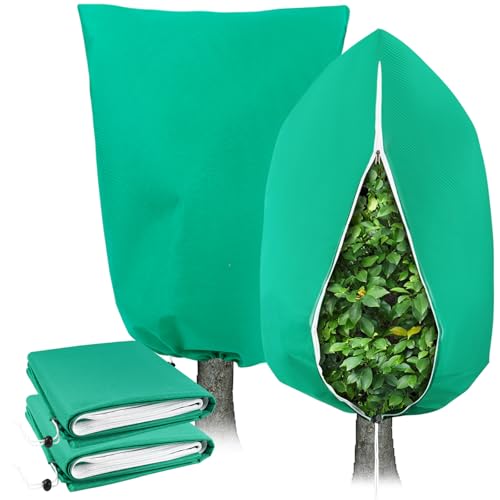
PLANT COVERS FREEZE PROTECTION FOR WINTER:You will receive 2 pack 47 * 72 inch frost blankets cloths for outdoor plants, designed specifically for outdoor plant protection, which can resist frost, snow, rain, wind, hail, animals, insects, birds, etc. Frost cloths for outdoor plants providing sufficient coverage space and is very suitable for shrubs, small trees, flowers, vegetables, etc

The small plant cover is perfect for Plant size 16''-23"high and 36''-46" round, Heavy-weight FRCs (1.77oz./sq. yard): usually used to extend the growing season in spring and fall, allow 40%-60% light transmittance, and recommend 3°-8°F of freeze protection
Temperature Fluctuations
Temperature fluctuations can affect blooming in fruit trees. Trees require certain temperature ranges for adequate flowering. Late frosts, especially in spring, can damage buds, preventing them from opening. For instance, if a tree experiences warm days followed by a sudden cold snap, it may result in bud drop. To mitigate this, protect your trees with frost blankets during unexpected cold spells. Planting frost-resistant varieties also helps reduce the risk of blossom loss.
Light Exposure
Light exposure directly influences flowering. Most fruit trees thrive in full sun, which means at least six hours of direct sunlight daily. Insufficient light can lead to weak growth or even flower absence. If your trees are shaded by taller plants or structures, consider selective pruning or relocating them to sunnier spots. Additionally, ensuring unobstructed light access during bloom time encourages better flowering and fruit set in the long run.
Tree Health Issues
Tree health plays a critical role in the flowering process of your fruit trees. Various factors can affect their wellbeing, ultimately leading to a lack of blooms.
Recommended Products

PLANT DISEASE CONTROL: Natria Neem Oil acts as an insecticide and fungicide in one convenient spray; Ready-to-use trigger sprayer requires no mixing

Control diseases and insects in your garden with Captain Jack’s Fruit Tree Spray Concentrate! Use on a variety of listed fruits, nuts and citrus plants.

Protect your oasis with Captain Jack’s Neem Max Ready-to-Use Spray; this multipurpose product acts as a 4-in-1 insecticide, fungicide, miticide and nematicide
Pest Infestations
Pest infestations can severely hinder flowering by damaging leaves and buds. Common pests, like aphids, spider mites, and scale insects, suck sap from trees, weakening their structure. You can identify pest issues by inspecting leaf undersides and stems.
To manage pests, consider these steps:
- Regular Inspections: Check your trees weekly, especially during growing seasons.
- Natural Predators: Introduce beneficial insects, such as ladybugs and lacewings, to keep pest populations in check.
- Neem Oil: Apply neem oil to affected areas; it acts as a natural insecticide while being safe for beneficial insects.
- Insecticidal Soap: Use insecticidal soap for spot treatments on heavily infested areas.
Taking timely action can protect tree health and encourage blooming.
Nutrient Deficiencies
Nutrient deficiencies can hinder your fruit trees’ ability to flower. Essential nutrients like nitrogen, phosphorus, and potassium play a vital role in growth.
To assess nutrient levels, conduct a soil test. This provides a snapshot of what’s missing. Common signs of deficiencies include:
- Yellowing Leaves: Indicates nitrogen insufficiency.
- Poor Fruit Set: Points to low phosphorus levels.
- Weak Growth: Suggests potassium shortage.
To remedy nutrient deficiencies, follow these tips:
- Fertilization: Apply a balanced fertilizer according to soil test recommendations. Look for a fertilizer with a ratio like 10-10-10.
- Organic Matter: Incorporate compost or well-rotted manure into the soil to improve nutrient content.
- Mulching: Use mulch to retain soil moisture and gradually supply nutrients as it breaks down.
Addressing nutrient deficiencies promotes healthy foliage and increases the likelihood of flowering.
Pruning Practices
Pruning is essential for fruit trees to ensure healthy growth and flowering. Understanding when and how to prune can significantly affect your tree’s ability to produce blossoms.
Recommended Products
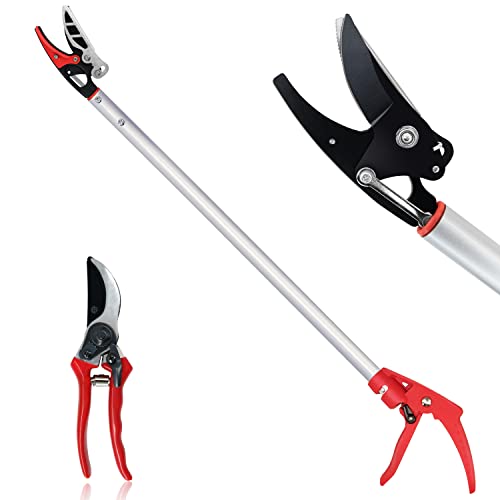
Long Handle Design: 32" handle length of the cut and hold pruners reduces back pain and stress, eliminating the need to bend over for trimming; It can also easily stretches to higher branches or thorns.
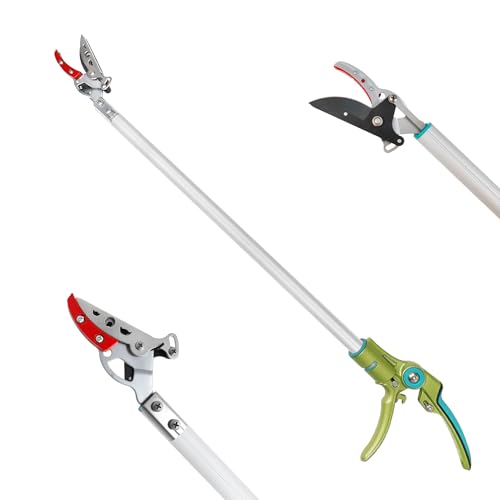
[REACH HIGH & STAY SAFE](No Ladder Required) Say goodbye to wobbly ladders! This 32inch long reach pole pruner offers an extra 30 inches of safe reach, allowing you to prune high branches or tall fruit trees while standing firmly on the ground. It’s the perfect extension tool for maintaining your backyard without the risk of falling.

Versatile Cutting Applications: Suitable for precision pruning of branches, tall hedges, and dense bushes, as well as delicate tasks like pruning flowers and harvesting fruit
Timing Of Pruning
Prune your fruit trees during the dormant season, ideally in late winter or early spring before new growth begins. Pruning at this time encourages stronger blooms. If you prune too early, emerging buds can get damaged by late frosts. Conversely, pruning too late can remove the wood that would produce blossoms. Aim to complete pruning before bud swell for optimal results.
Incorrect Techniques
Using improper pruning techniques can hinder flowering. Here’s what to avoid:
- Over-Pruning: Cutting too much wood can stress the tree, leading to fewer blooms. Remove only about 20% of the tree’s canopy.
- Heading Cuts: Avoid heading cuts that remove the tips of branches. This can create a bushier tree but reduce flowering. Use thinning cuts instead, which remove entire branches.
- Ignoring Tree Shape: Maintain the natural shape of the tree. An unbalanced tree can focus energy on growth rather than flowering.
Consider tools like loppers for thicker branches and hand pruners for smaller stems. Keep tools sharp to create clean cuts. Always clean tools after use to prevent disease spread.
Conclusion
Getting your fruit trees to flower can feel like a puzzle but don’t lose hope. By understanding the factors at play and making a few adjustments you can encourage those blossoms to appear. Whether it’s improving soil conditions ensuring proper light exposure or managing pests there are practical steps you can take.
Keep an eye on your trees and be patient; nature often takes its time. With a little care and attention your fruit trees can flourish and reward you with beautiful blooms and delicious fruit. Happy gardening!
Frequently Asked Questions
Why do my fruit trees not produce blossoms?
Fruit trees may not produce blossoms due to factors like insufficient pollination, poor soil conditions, or environmental stress. Understanding these reasons can help you identify the problem and encourage flowering.
How can I improve pollination for my fruit trees?
To enhance pollination, consider planting pollinator-friendly flowers nearby or using hand pollination techniques. Attracting bees and other pollinators can significantly increase the chances of your trees blooming successfully.
What soil conditions affect fruit tree flowering?
Poor soil conditions, such as compacted or nutrient-deficient soil, can hinder flowering. Conducting a soil test and amending the soil with organic matter, adequate drainage, and proper fertilization can help promote blooms.
How do temperature fluctuations impact fruit tree blooms?
Temperature fluctuations, especially late frosts, can damage flower buds and disrupt blooming. To protect your trees, use frost blankets during cold spells and consider planting frost-resistant varieties.
How much sunlight do fruit trees need to bloom?
Most fruit trees require at least six hours of direct sunlight daily to produce blossoms. Ensuring adequate light exposure through selective pruning or relocating the trees can enhance flowering.
What pests can affect the blooming of fruit trees?
Pests like aphids and spider mites can damage leaves and buds, resulting in fewer blooms. Regular inspections, natural predators, and treatments like neem oil can help manage pest issues effectively.
Which nutrients are essential for fruit tree flowering?
Key nutrients such as nitrogen, phosphorus, and potassium are vital for promoting blooming. Conducting soil tests can help identify deficiencies, allowing you to amend the soil and fertilize appropriately.
When is the best time to prune fruit trees?
Pruning should ideally occur during the dormant season, in late winter or early spring, to promote stronger blooms. Proper techniques are essential to avoid stressing the tree and damaging the buds.
What pruning techniques are recommended for healthy flowering?
Thinning cuts are recommended to maintain the tree’s natural shape and encourage blooming. Avoid over-pruning and heading cuts, as these can reduce flowering and weaken the tree.
How can I keep my pruning tools clean and effective?
To prevent disease spread, always use clean and sharp tools when pruning. Regularly sanitize your tools before and after use to ensure the health of your plants.
