

Selecting the right mango tree variety for Jacksonville, FL involves understanding local climate conditions and soil types. The best choices include varieties that thrive in warm temperatures and are resistant to common pests and diseases.
Jacksonville Mango Tree Climate Considerations
Jacksonville experiences a humid subtropical climate characterized by hot summers and mild winters. This environment is conducive to growing mango trees, which prefer temperatures between 70°F and 100°F. Understanding the local climate helps in selecting the right variety that can withstand potential cold snaps and humidity levels.
Factors to consider include:
Average annual temperature
Humidity levels
Frost dates
Best Mango Varieties for Jacksonville Climate
When selecting mango varieties for Jacksonville’s unique climate, it’s essential to consider factors such as heat tolerance, disease resistance, and fruit quality. The right choices can lead to a fruitful harvest and a thriving tree. This section highlights the best mango varieties suited for the region, ensuring successful cultivation in your backyard.
Choosing the appropriate mango tree variety is crucial for successful cultivation. The following varieties are well-suited for Jacksonville’s climate and soil conditions.
| Variety Name | Flavor Profile | Growth Habit | Disease Resistance |
|---|---|---|---|
| Haden | Sweet, aromatic | Medium | Moderate |
| Tommy Atkins | Mild, sweet | Tall | High |
| Kent | Sweet, juicy | Compact | High |
| Palmer | Sweet, fruity | Tall | Moderate |
Haden Mango Characteristics and Benefits
The Haden mango is a popular choice due to its vibrant color and rich flavor. It typically grows to a medium height and produces large, sweet fruits. This variety is moderately resistant to diseases, making it a reliable option for home gardeners.
Tommy Atkins Mango Characteristics and Benefits
Tommy Atkins mangoes are known for their long shelf life and robust flavor. This variety grows tall and is highly resistant to diseases, making it ideal for commercial growers. Its mild taste appeals to a wide audience, and it can be harvested in late summer.
Kent Mango Tree Characteristics and Benefits
Kent mangoes are favored for their juicy, sweet flesh and minimal fiber. They have a compact growth habit, making them suitable for smaller gardens. This variety is highly resistant to common mango diseases and can produce fruit in late summer to early fall.
Palmer Mango Characteristics and Benefits
The Palmer mango is a popular choice among growers in Jacksonville, FL, known for its vibrant color and sweet flavor. This variety thrives in the region’s climate, offering both aesthetic appeal and culinary advantages. Understanding its unique characteristics and benefits can help you decide if the Palmer mango is the right fit for your garden or orchard.
The Palmer mango is characterized by its sweet, fruity flavor and tall growth habit. It is moderately resistant to diseases and produces large fruits. This variety is typically harvested in late summer and is known for its attractive appearance.
Soil Preparation Techniques for Mango Trees
Preparing the soil properly is crucial for the successful growth of mango trees in Jacksonville, FL. This section outlines effective techniques to enhance soil quality, ensuring optimal drainage and nutrient availability. By following these guidelines, you can create a thriving environment that supports healthy mango tree development.
Proper soil preparation is essential for healthy mango tree growth. The soil should be well-draining and rich in organic matter. Conducting a soil test can help determine pH levels and nutrient content.
Steps to prepare soil:
Test soil for pH and nutrients.
Amend soil with compost or well-rotted manure.
Ensure drainage by mixing in sand or perlite if necessary.
Mango Tree Fertilization Best Practices
Fertilizing mango trees is crucial for their growth and fruit production, especially in Jacksonville’s unique climate. Understanding the best practices for fertilization will help ensure healthy trees that yield abundant, flavorful fruit. This section outlines effective techniques and recommendations tailored to the specific needs of mango trees in the region.
A regular fertilization schedule supports healthy growth and fruit production. Use a balanced fertilizer formulated for fruit trees.
Recommended schedule:
Apply fertilizer every 6-8 weeks during the growing season.
Use a slow-release fertilizer to provide nutrients over time.
Mango Tree Watering Techniques in Jacksonville
Proper watering techniques are crucial for the health and productivity of mango trees in Jacksonville’s unique climate. Understanding the specific needs of these trees will help ensure they thrive, especially during the hot summer months. This section will explore effective watering strategies tailored to the regional conditions of Jacksonville.
Mango trees require consistent watering, especially during dry spells. However, overwatering can lead to root rot.
Best practices include:
Water deeply once a week during dry periods.
Reduce watering frequency during the rainy season.
Monitor soil moisture to avoid overwatering.
Recommended Products

Accurate Soil Moisture Detection: The XLUX Soil Moisture Meter can tell you if the soil deep inside your pot or garden is dry, moist or wet; whereas your eyes and fingers can only determine the moisture level of the soil surface. The probe is 5.5 inches (14 cm) longer than regular styles, allowing it to measure the soil moisture at the bottom of larger and deeper flower pots.

Accurate Soil Moisture Detection: The XLUX Soil Moisture Meter can tell you if the soil deep inside your pot or garden is dry, moist or wet; whereas your eyes and fingers can only determine the moisture level of the soil surface. The probe is 5.5 inches (14 cm) longer than regular styles, allowing it to measure the soil moisture at the bottom of larger and deeper flower pots.
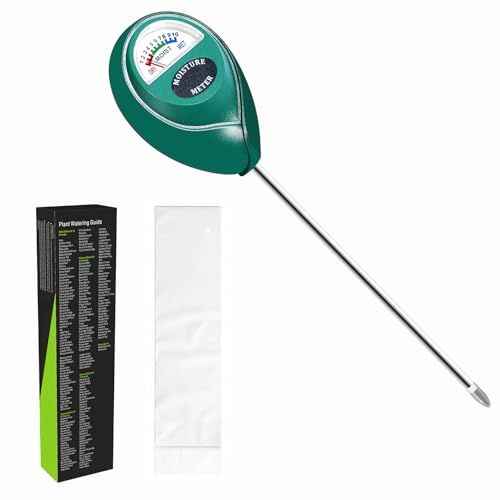
Trusted Since 2015: Become one of the many plant lovers who rely on the proven accuracy of XLUX. Established in 2015, our soil moisture meter has earned over 60,000+ verified ratings for its consistent performance. While many many newer brands come and go, we provide the long-term reliability and quality that American households have trusted for over a decade.
Integrated Pest Strategies for Mango Trees
Managing pests effectively is crucial for the health and productivity of mango trees in Jacksonville, FL. This section outlines integrated pest management strategies tailored to the region, focusing on environmentally friendly approaches that promote tree vitality while minimizing damage from common pests. Understanding these strategies will help ensure a fruitful harvest and robust tree growth.
Pests can pose a significant threat to mango trees. Implementing an integrated pest management strategy is essential for keeping trees healthy.
Common pests include:
Aphids
Mango fruit flies
Spider mites
Control methods:
Use insecticidal soap or neem oil for aphids.
Set traps for fruit flies.
Encourage beneficial insects like ladybugs for natural pest control.
Mango Tree Care Techniques for Jacksonville
Caring for mango trees in Jacksonville requires an understanding of the local climate and soil conditions. This section outlines essential techniques tailored to the region, ensuring that your mango trees thrive and produce abundant fruit. With the right care, you can enjoy the unique flavors of homegrown mangoes in your own backyard.
Select the right variety based on your specific needs and garden conditions. Ensure proper soil preparation and maintenance practices to promote healthy growth. Regular monitoring for pests and diseases will help maintain tree health and maximize fruit yield.
