

Have you ever dreamed of plucking fresh lemons right from your own home? If you’re considering growing a lemon tree indoors, you might be wondering if it can actually bear fruit. Many indoor gardeners face this question, and the good news is that with the right conditions, it’s definitely possible.
Imagine enjoying the vibrant taste of homegrown lemons in your favorite dishes or drinks. This article will guide you through the essentials of growing a lemon tree indoors, covering everything from light requirements to watering tips. By the end, you’ll have the knowledge you need to nurture your own fruitful indoor oasis.
Key Takeaways
- Indoor Lemon Trees Can Bear Fruit: With optimal conditions, such as sufficient light, temperature, and humidity, indoor lemon trees can successfully produce fruit.
- Light Requirements Are Crucial: Lemon trees require a minimum of 12 hours of bright, indirect sunlight daily. Supplement with grow lights if natural light is inadequate.
- Optimal Temperature and Humidity: Maintain indoor temperatures between 65°F and 75°F and humidity levels around 50-60% to support healthy growth and fruiting.
- Watering and Fertilization Practices: Water only when the top inch of soil is dry, generally every 1-2 weeks. Fertilize every 4-6 weeks during the growing season to ensure nutrient availability.
- Regular Pruning and Pest Management: Prune for healthy growth and airflow, and monitor for pests like spider mites and aphids, using neem oil or insecticidal soap for control.
- Choose the Right Variety: Opt for dwarf lemon tree varieties like Improved Meyer or Ponderosa for successful indoor gardening and fruit production.
Overview of Indoor Lemon Trees
Indoor lemon trees can thrive and produce fruit if given the right conditions. These trees typically belong to the dwarf citrus family. They’re compact, making them ideal for indoor spaces.
Light Requirements
Indoor lemon trees require a minimum of 12 hours of bright, indirect sunlight daily. Place your tree near a south or west-facing window to maximize light exposure. If natural light is insufficient, consider using grow lights to supplement.
Temperature and Humidity
Lemon trees prefer temperatures between 65°F to 75°F during the day and slightly cooler at night. They thrive in humidity levels around 50% to 60%. Use a humidifier or mist your tree regularly to maintain adequate humidity.
Watering Guidelines
Water your indoor lemon tree when the top inch of soil feels dry. Ensure pots have drainage holes to prevent root rot. Generally, watering every 1-2 weeks suffices, but adjust based on environmental conditions.
Fertilization
Feed your tree with a balanced citrus fertilizer during the growing season, typically from March to September. Apply the fertilizer every 4-6 weeks for optimal growth. This process helps the tree develop healthy foliage and fruit.
Pruning and Maintenance
Regular pruning encourages bushy growth and improves air circulation. Trim any dead or yellowing leaves and excess branches to keep your tree healthy. This process supports better fruit production.
Pest Control
Monitor your lemon tree for pests such as spider mites and aphids. Neem oil or insecticidal soap can effectively manage these problems. Regularly inspect your tree for signs of infestation and respond quickly to maintain its health.
By adhering to these guidelines, you can successfully grow an indoor lemon tree that produces delicious fruit right at home.
Factors Affecting Fruiting
The success of an indoor lemon tree in producing fruit hinges on several key factors, including adequate light, optimal temperature, and humidity levels.
Recommended Products

72 LED Full Spectrum, 380nm-800nm – Built with 72 super bright LEDs covering the full 380nm-800nm spectrum: 36 white 5000K, 28 warm white 3000K, 6 red and 2 blue. This grow light for indoor plants delivers the wavelengths your plants need year-round, supporting every stage from seedling to bloom — even in rooms with little natural sunlight.
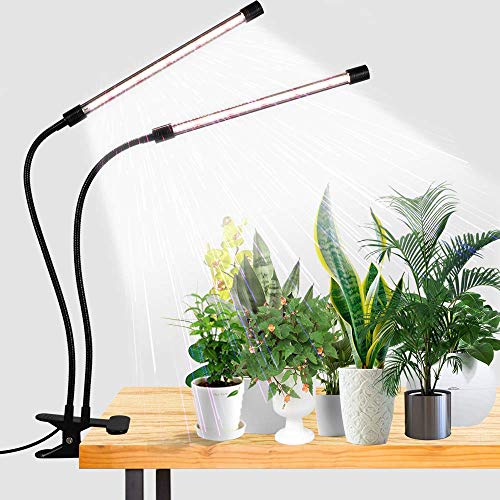
6000K White Light - equipped with 10 Red + 74 White LEDs, this growing Lamp is similar to the full-spectrum sunlight at noon,that is professionally designed for indoor garden plants.Moreover, its color rendering index is as high as 95, the light is soft and flicker-free, which is very suitable for reading lamp

Built for Large & Tall Indoor Plants – Stable, Bright, and Adjustable: Designed specifically for floor plants and tall indoor trees, this grow light delivers strong, even lighting with 80 high-output LEDs for wider coverage. The heavy-duty metal base with non-slip pads keeps the plant light firmly in place, no tipping or wobbling, even for large pots. Adjustable height from 20 to 68'' easily fits corners, planters, and tall plants.
Light Requirements
Lemon trees thrive with at least 12 hours of bright, indirect sunlight each day. If natural light isn’t sufficient, consider using grow lights. Position these lights about 12 inches above the tree. Rotate the plant weekly for even growth. Illumination plays a crucial role, as insufficient light may lead to poor flowering and fruiting.
Temperature and Humidity
Indoor lemon trees prefer a temperature range of 65°F to 75°F. Keeping the temperature consistent encourages growth and fruiting. Sudden temperature drops or drafts can stress the tree, inhibiting fruit production.
Humidity also impacts fruiting; aim for humidity levels between 50% to 60%. To increase humidity, place a tray of water near the tree or use a humidifier. Misting the leaves occasionally can help, too. Maintaining the right temperature and humidity sets the stage for your lemon tree to thrive indoors.
Varieties of Lemon Trees Suitable for Indoor Growth
Selecting the right variety of lemon tree enhances your chances of successful indoor growth and fruitful yields. Here are some popular lemon tree varieties ideal for indoor environments:
Recommended Products

Product Quantity: 180+ premium bonsai fruit seeds across 5 varieties; Individual packs contain 40+ apple, 40+ lemon, 40+ orange, 20+ blueberry, and 40+ cherry seeds; Perfect for starting a diverse miniature orchard

Package: 5 Individual Packs, 40+ Lemon Tree Seeds 40+ Cherry Tree Seeds 40+ Orange Tree Seeds 40+ Apple Seeds 20+ Blueberry Seeds

4 kinds of the most popular fruits, individually packaged, 50pcs Lemon seeds 50pcs Cherry seeds 50pcs Orange seeds 50pcs Apple seeds Fresh seeds, all fruit seeds are packed in tear and moisture resistant zipper sealed bags for your long term storage.
Eureka Lemon Tree
- Description: Known for its bright yellow fruit and vigorous growth.
- Size: Grows up to 6-10 feet outdoors but can be maintained at 2-4 feet indoors with pruning.
- Fruit Production: Produces fruit year-round with consistent care.
Lisbon Lemon Tree
- Description: Similar to Eureka but has a slightly thicker skin and a bolder flavor.
- Size: Reaches heights of 6-10 feet but can be pruned to keep it around 3-4 feet indoors.
- Fruit Production: Produces fruit abundantly, especially when given sufficient sunlight.
Ponderosa Lemon Tree
- Description: Sturdier tree with large, substantial fruit.
- Size: Can grow up to 4-6 feet indoors; pruning helps maintain a smaller size.
- Fruit Production: Offers larger lemons but may yield less fruit than other varieties.
Improved Meyer Lemon Tree
- Description: A hybrid between a lemon and a mandarin, featuring sweeter fruit.
- Size: Compact, typically reaching 3-4 feet; perfect for small spaces.
- Fruit Production: Yields rounded fruit year-round, though it may need more light.
Dwarf Lemon Tree Varieties
- Description: Varieties like “Improved Meyer” and “Ponderosa” are available in dwarf forms.
- Size: Stay between 2-4 feet; ideal for pots and small indoor areas.
- Fruit Production: Produce fruit within a couple of years if cared for properly.
- Choose the Right Pot: Select a pot with good drainage to prevent root rot. A size of 10-12 inches in diameter works well.
- Use Quality Soil: A well-draining potting mix is crucial. Look for soil designed specifically for citrus plants.
- Monitor Light Levels: Ensure your tree receives at least 12 hours of bright, indirect sunlight each day. Consider rotating the pot for even light exposure.
By selecting a suitable lemon tree variety and providing proper care, you can enjoy a productive indoor garden filled with fresh lemons.
Care and Maintenance Tips
Indoor lemon trees require specific care to thrive and produce fruit. You can follow these guidelines to ensure your tree remains healthy and fruitful.
Watering Guidelines
Water your lemon tree when the top inch of soil feels dry. This typically means watering every 1 to 2 weeks. Use well-draining pots to prevent overwatering, which can lead to root rot. Check for drainage holes and ensure excess water can escape. During hotter months, you might need to water more frequently. Always aim for consistency in your watering schedule.
Fertilization Practices
Fertilize your lemon tree every 4 to 6 weeks during the growing season, which lasts from spring to early fall. Use a balanced citrus fertilizer to provide essential nutrients. Follow the instructions on the fertilizer package for the right quantity. You can also consider using a slow-release fertilizer for convenience. Avoid fertilizing during the dormant winter months to prevent stressing the tree.
Common Challenges and Solutions
Recommended Products
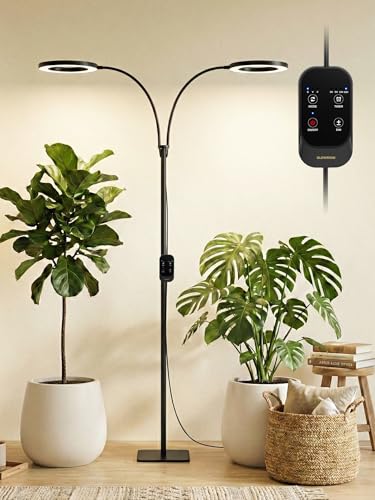
【FULL SPECTRUM FOR ALL GROWTH STAGES】: Mimic natural sunlight with our 48W dual-head LED grow light featuring 268 high-efficiency LEDs. Tailor the light with dedicated Seedling (S), Vegetative (V), and Flowering (F) spectrum modes to provide optimal wavelengths for every phase, ensuring robust roots, lush foliage, and abundant blooms.

【Newest Grow Light】The appearance of the lamp head adopts patentable mold technology and incorporates exclusive design concepts. The back plate has a unique pattern and premium texture which is not easily scratched. The holes in the back are specially reserved for heat dissipation space, saying goodbye to the heating problem during the use of the lamp.

Low Light Conditions
Lemon trees require at least 12 hours of bright, indirect sunlight each day. If you notice yellowing leaves or stunted growth, it indicates insufficient light. Consider using grow lights to supplement natural sunlight, especially during winter or in poorly lit rooms.
Inconsistent Humidity
Maintaining humidity levels between 50% and 60% is crucial for lemon tree health. If the air is too dry, it can lead to leaf drop and pest infestations. To boost humidity, place a tray of water with pebbles under the pot or mist the leaves regularly.
Temperature Fluctuations
Lemon trees thrive in temperatures between 65°F and 75°F. Sudden temperature changes can stress the plant. Keep your tree away from drafty windows and heating vents, and use a thermometer to monitor indoor conditions.
Overwatering Issues
Overwatering can lead to root rot, a common problem for indoor lemon trees. Water only when the top inch of soil is dry, typically every 1 to 2 weeks. Always use pots with drainage holes to allow excess water to escape.
Nutrient Deficiencies
Using the right fertilizer is essential for fruit production. Fertilize every 4 to 6 weeks during the growing season with a balanced citrus fertilizer. If leaves appear pale or have a yellow hue, consider adjusting your fertilization schedule or switching products.
Pest Management
Indoor lemon trees are susceptible to pests like spider mites and aphids. Regularly inspect your tree for signs of infestation. If detected, treat with insecticidal soap or neem oil. Ensure good air circulation and avoid overcrowding plants to minimize pest attraction.
Pruning Challenges
Incorrect pruning can affect growth and fruiting. Aim to remove any dead or crowded branches to enhance airflow. Prune lightly in late winter or early spring before the growing season begins to encourage bushy growth.
By addressing these common challenges, you can create an optimal environment for your indoor lemon tree, enhancing its chances of producing fruit successfully.
Conclusion
Growing a lemon tree indoors can be a rewarding experience if you create the right environment for it. With the proper light temperature and humidity levels you can enjoy the satisfaction of harvesting your own lemons right from your home.
By following the care tips and addressing any challenges that come your way you’ll be well on your way to nurturing a thriving lemon tree. Remember to stay patient as it may take some time for your tree to bear fruit.
So go ahead and give it a try you might just find that indoor gardening brings a little zest to your life!
Frequently Asked Questions
Can I grow a lemon tree indoors?
Yes, you can grow a lemon tree indoors! Indoor lemon trees, often dwarf varieties, thrive with the right care. Ensure they receive at least 12 hours of bright, indirect sunlight daily, and they can bear fruit.
What are the light requirements for indoor lemon trees?
Indoor lemon trees need a minimum of 12 hours of bright, indirect sunlight each day. If natural light is insufficient, consider using grow lights to ensure healthy growth and fruit production.
What temperature do lemon trees prefer indoors?
Lemon trees thrive in temperatures between 65°F to 75°F. Maintaining this temperature range helps ensure healthy growth and increases the likelihood of fruiting.
How often should I water my indoor lemon tree?
Water your lemon tree when the top inch of soil feels dry, typically every 1 to 2 weeks. Ensure the pot has good drainage to prevent overwatering, which can harm the plant.
What type of fertilizer should I use for my lemon tree?
Use a balanced citrus fertilizer during the growing season, which runs from spring to early fall. Fertilize every 4 to 6 weeks, but avoid fertilizing during the dormant winter months.
How do I maintain humidity for my lemon tree?
Indoor lemon trees prefer humidity levels around 50% to 60%. To maintain humidity, place a tray of water nearby or mist the leaves regularly to create a suitable environment.
What are the common pests that affect indoor lemon trees?
Common pests include spider mites and aphids. Regularly check your tree for signs of infestation, and treat promptly using insecticidal soap or natural pest control methods to keep your tree healthy.
Which lemon tree varieties are best for indoor growth?
Suitable varieties for indoor growth include the Eureka, Lisbon, Ponderosa, and Improved Meyer lemon trees. Each variety has unique characteristics, so choose one that fits your growing conditions and preferences.
