

Apple trees can grow in Hawaii, particularly at higher altitudes where the climate mimics their native environments. To achieve successful growth, specific conditions must be met, including temperature management and soil quality.
High-Altitude Apple Tree Growth Factors
Apple trees thrive in temperate climates with distinct seasonal changes. They require a chilling period for dormancy, which is crucial for fruit production. In Hawaii, the lower elevations may not provide the necessary chill hours, but high-altitude areas can create a suitable environment.
Recommended Products

Package contains 4 Pounds organic fruit and nut fertilizer grains and is produced to avoid wasteful runoff, mess, hazards and smells

Hand Blended Money Tree Soil- Hand blended soil perfect for growing money tree plants, Great for repotting or planting money trees.
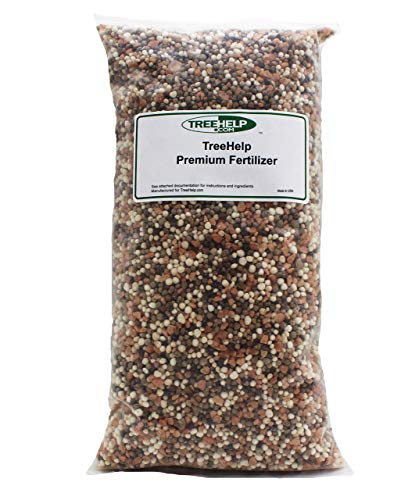
Approximately 3 Pounds
Optimal High-Altitude Sites for Apple Trees
When considering the cultivation of apple trees in Hawaii, selecting the right high-altitude site is crucial for success. The unique climatic conditions found at elevated locations can significantly influence the growth and fruit production of apple trees. This section explores the optimal high-altitude sites that provide the best environment for thriving apple orchards in Hawaii.
Selecting the right location is essential for apple tree cultivation in Hawaii. High-altitude spots typically offer cooler temperatures and better air circulation. Consider these areas:
Mauna Kea: Known for its elevation and cooler climate.
Kona: Some regions have higher altitudes with suitable temperatures.
Haleakalā: Offers a diverse climate with cooler conditions.
| Location | Elevation (ft) | Average Temp (°F) | Chill Hours |
|---|---|---|---|
| Mauna Kea | 13,796 | 50-70 | 800+ |
| Kona | 3,000-4,000 | 60-75 | 600-800 |
| Haleakalā | 10,023 | 45-65 | 700+ |
Soil Preparation for Apple Trees
Preparing the soil is essential for successfully growing apple trees in Hawaii’s unique high-altitude environment. The right soil conditions can significantly impact tree health and fruit production. This section will explore effective techniques for soil preparation to ensure your apple trees thrive in this tropical setting.
Soil quality significantly impacts apple tree growth. Apple trees prefer well-draining, loamy soil with a pH between 6.0 and 7.0. Follow these steps to prepare the soil:
Test Soil pH: Use a soil testing kit to determine pH levels.
Amend Soil: Incorporate compost and organic matter to improve drainage and nutrient content.
Ensure Drainage: Create raised beds if necessary to prevent waterlogging.
Best Apple Varieties for Hawaii’s Climate
Hawaii’s unique climate presents both challenges and opportunities for growing apple trees. Selecting the right apple varieties is crucial for success in high-altitude regions, where temperature and humidity can significantly impact growth. This section explores the best apple varieties suited for Hawaii’s distinct conditions, ensuring a fruitful harvest for local growers.
Choosing the right apple varieties is crucial for success in Hawaii’s unique climate. Some varieties are better suited for warmer conditions and shorter chill hours. Consider planting:
Anna: A low-chill variety that produces sweet apples.
Dorset Golden: Another low-chill option that thrives in warmer climates.
TropicSweet: Specifically bred for tropical environments.
Watering and Fertilization Strategies for Apple Trees
Successfully growing apple trees in Hawaii requires careful attention to watering and fertilization, especially in high-altitude environments. The unique climate and soil conditions present both challenges and opportunities for nurturing these trees. Understanding effective strategies for hydration and nutrient supply is essential for achieving healthy growth and fruitful yields.
Proper watering and fertilization are vital for healthy apple trees. High-altitude areas may have different moisture levels compared to lower elevations. Implement these practices:
Irrigation System: Install a drip irrigation system to maintain consistent moisture.
Fertilize Wisely: Use a balanced fertilizer during the growing season, focusing on nitrogen and potassium.
Monitor Moisture: Check soil moisture regularly to avoid overwatering.
| Fertilizer Type | Application Rate | Frequency |
|---|---|---|
| Balanced Fertilizer | 1 lb per tree | Every 6 weeks |
| Organic Compost | 2-3 inches around base | Annually in spring |
Apple Tree Pest and Disease Control Strategies
Maintaining the health of apple trees in Hawaii’s unique environment requires effective pest and disease control strategies. Given the challenges posed by the island’s climate and ecosystem, understanding specific threats and implementing targeted solutions is essential for successful apple cultivation. This section explores practical approaches to safeguard your apple trees from common pests and diseases.
Pests and diseases can threaten apple trees in Hawaii. Monitoring and preventive measures are essential for maintaining tree health. Focus on:
Regular Inspections: Check for signs of pests like aphids and spider mites.
Organic Pesticides: Use neem oil or insecticidal soap to control infestations.
Disease Resistance: Choose disease-resistant apple varieties to minimize risks.
Apple Harvest Timing and Storage Techniques
Understanding the timing of apple harvest and effective storage techniques is crucial for maximizing the quality and longevity of your fruit. In Hawaii’s unique high-altitude climate, knowing when to pick apples and how to properly store them can significantly impact their flavor and shelf life. This section delves into the best practices for harvesting and storing apples grown in these conditions.
Harvesting apples at the right time ensures optimal flavor and quality. Monitor fruit color and firmness for readiness. Follow these steps for harvesting and storage:
Pick at Peak Ripeness: Harvest when apples are fully colored and firm.
Handle with Care: Avoid bruising by gently twisting the fruit off the branch.
Store Properly: Keep apples in a cool, dark place to extend shelf life.
Do not harvest apples too early, as this affects taste and storage life.
High-Altitude Apple Cultivation Strategies
Growing apple trees in Hawaii requires careful planning and attention to detail. Focus on selecting the right location, preparing the soil, and managing water and pests effectively. With the right practices, you can enjoy a fruitful apple harvest in Hawaii’s unique climate.
