

Have you ever wondered where the best fruit trees thrive? Picture yourself biting into a juicy peach or a crisp apple, and you might start to think about the ideal conditions these trees need to flourish. Understanding where fruit trees grow can help you choose the right ones for your garden or orchard.
Key Takeaways
- Optimal Conditions: Fruit trees thrive in specific climates, with temperate zones favoring apple and peach trees, while tropical regions support mango and citrus trees.
- Soil Importance: Well-drained and nutrient-rich soil is essential for fruit tree health. Testing soil pH can help ensure optimal growing conditions.
- Sunlight Requirements: Most fruit trees need at least six to eight hours of direct sunlight daily for optimal fruit production and growth.
- Watering Needs: Consistent irrigation is crucial, particularly for newly planted trees. Mulching can help retain moisture and manage weeds efficiently.
- Pruning Practices: Regular and timely pruning during dormant seasons promotes tree health and boosts fruit yields by improving air circulation.
- Environmental Benefits: Growing fruit trees not only provides fresh produce but also enhances biodiversity, improves air quality, and contributes to sustainable gardening practices.
Understanding Fruit Trees
Fruit trees thrive in specific environments that support their growth and fruit production. Consider the following key factors for optimal cultivation.
Climate Preferences
- Warm, Temperate Zones: Many fruit trees, like peaches and apples, flourish in areas with distinct seasons. They require enough chilling hours in winter to set fruit in spring.
- Tropical Regions: Trees such as mangoes and citrus prefer warm temperatures year-round and don’t handle frost well.
Soil Requirements
- Well-Drained Soil: Fruit trees need soil that drains well but holds moisture. Clay soils often cause waterlogging, which can harm roots.
- Nutrient-Rich Soil: Fertile soils, rich in organic matter, support healthy growth. Conduct soil tests to check nutrient levels and pH before planting.
Sunlight Exposure
- Full Sun: Most fruit-bearing trees require at least six to eight hours of direct sunlight daily. Position them where they won’t be overshadowed by buildings or other trees.
- Sheltered Locations: Some trees, like cherries, benefit from wind breaks. Positioning near a fence or taller plants can offer protection while allowing sunlight.
Watering Needs
- Consistent Irrigation: Newly planted fruit trees require regular watering to establish roots. Once established, many trees are drought-tolerant but still benefit from occasional deep watering.
- Mulching: Apply organic mulch around the base can help retain moisture and suppress weeds.
Pruning Practices
- Regular Pruning: Proper pruning helps maintain tree health and improves air circulation. Remove dead or diseased branches to encourage stronger growth.
- Timing: Prune during dormant seasons (late winter) for deciduous trees. For some evergreen varieties, consider pruning in early spring.
| Fruit Tree | Ideal Climate | Soil Type | Sunlight |
|---|---|---|---|
| Apple | Temperate | Well-drained, fertile | Full sun |
| Peach | Warm Temperate | Loamy, well-drained | Full sun |
| Mango | Tropical | Sandy loam | Full sun |
| Orange | Subtropical | Well-drained, fertile | Full sun |
Utilizing these factors can significantly enhance your chances of successfully growing fruit trees. Make informed decisions based on your local climate and conditions to enjoy a bountiful harvest.
Climate Requirements for Fruit Trees
Fruit trees thrive in specific climates that cater to their growth needs. Understanding these climate requirements helps you choose the right trees for your environment.
Recommended Products
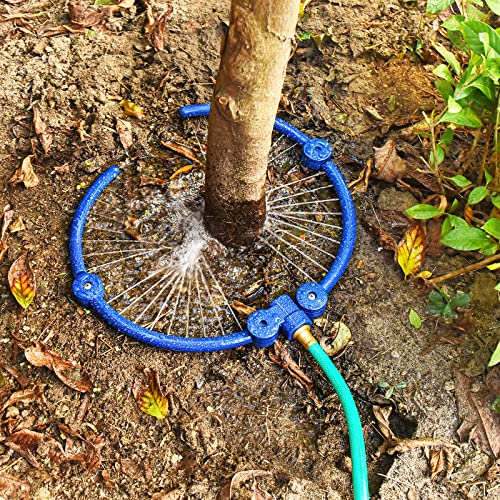
【Specially Designed for Trees and Shrubs】 The Watering Ring is a multi-purpose irrigation ring that attaches to a garden hose to efficiently water young trees shrubs vegetables or flower beds using drip or trickle irrigation.It directs water to the root perimeter of the plant to give them a good start during the first two growing seasons or through periods of drought.

【Upgraded Tube Design & Water Saving】 Our adjustable garden watering system is upgraded to 1/2” diameter to support high water pressure. The 1/2” tee connector in the package so you can easily set up 2 drip irrigation systems as needed. Garden watering systems minimize stage water loss by recharging water directly to plant roots. While traditional irrigation often results in wasted water, this drip irrigation system saves up to 70% of water, no need for manual watering, saves water.

Tropical Climate
Tropical fruit trees flourish in consistently warm temperatures between 70°F and 100°F. Common examples include mangoes, papayas, and bananas. They prefer high humidity and benefit from ample rainfall, making well-draining soil crucial to prevent root rot. Installing irrigation systems, like drip irrigation, ensures these trees receive the moisture they need during dry spells.
Temperate Climate
Temperate fruit trees, such as apples, cherries, and peaches, thrive in regions with distinct seasons. Ideal growing conditions include a cold winter for dormancy and warm summers for fruit development. These trees require well-drained soil and at least six to eight hours of daily sunlight. Mulching can help regulate soil temperature and retain moisture. Regular watering, especially during fruit set, enhances yields significantly.
Subtropical Climate
Subtropical climates suit trees like citrus and figs, where winter temperatures stay mild. Trees in this zone appreciate warm summers and cooler winters but can tolerate brief cold periods. Soil should be fertile and well-drained. Watch out for pests and diseases due to higher humidity levels. Consistent irrigation during dry periods will ensure healthy growth and good fruit quality.
Soil Conditions for Growing Fruit Trees
Healthy soil is crucial for fruit trees. It provides essential nutrients and supports root development. Choosing the right soil conditions enhances growth and fruit production.
Recommended Products

Kindly NOTE: This soil tester can not be applied to test pH value of any other liquid. If the soil is too dry the indicator will not move, and water it before testing.

Accurate Soil pH Testing: Dewildetradingco Soil pH Test Strips offer measurements of soil pH levels (pH 3.5-9). As an essential tool for every gardener and grower, these test strips help determine the optimal pH for various plants, such as outdoor plants, indoor plants, gardens, grass lawns, fruit trees, flowers, vegetables, and forest shrubs.

KNOW BEFORE YOU GROW | Grow the healthiest, sustainable lawn and garden with the most accurate and easy to use professional soil test kit on the market
Soil Types
Fruit trees thrive in several soil types, but well-drained soil is essential.
- Loamy Soil: Loamy soil is a mix of sand, silt, and clay. It’s ideal for fruit trees because it retains moisture while allowing excess water to drain away.
- Sandy Soil: Sandy soil drains quickly, providing good aeration. However, it might require additional organic matter to improve nutrient retention.
- Clay Soil: Clay holds moisture but can become compacted. Amending clay soil with organic matter helps improve drainage and nutrient availability.
Consider testing your soil type. This knowledge informs your choice of fruit trees and amendments.
Soil pH Levels
Soil pH impacts nutrient availability for fruit trees. Most fruit trees prefer a pH between 6.0 and 7.5.
- Acidic Soil (pH < 6.0): Acidic conditions may limit nutrient uptake. If your soil is too acidic, adding lime can help raise the pH.
- Alkaline Soil (pH > 7.5): Alkaline soil may restrict the availability of certain nutrients, particularly iron. If your soil is too alkaline, use elemental sulfur to lower the pH.
Test your soil pH regularly to ensure optimal conditions. Adjusting pH can significantly enhance fruit tree health and yields.
Geographic Locations of Fruit Trees
Fruit trees grow in diverse geographic locations, influenced mainly by climate, soil type, and local conditions. Understanding these elements helps you choose the right trees for your specific environment.
Recommended Products

FORMULATED FOR CITRUS AND FRUIT TREES: Use these citrus fertilizer spikes on apple, orange, lemon, lime, and avocado trees; this formula is also great for feeding palm trees

100% Natural: Custom blend for your indoor potted banana trees

All-Natural: Special blend for growing avocados in containers or as houseplants
Common Regions for Fruit Tree Growth
Fruit trees thrive in various regions around the world, each suited to particular types:
- Tropical Regions: Mangoes, papayas, and bananas flourish here. These areas experience warm temperatures year-round with high humidity. Countries like India and Brazil exemplify this climate.
- Temperate Regions: Apples, cherries, and peaches grow well in these climates. They require cold winters and warm summers. The United States, especially states like Washington and Michigan, is famous for its temperate fruit orchards.
- Subtropical Regions: Citrus fruits, figs, and pomegranates prefer mild winters and warm summers. Regions like California and parts of southern Spain are well-known for these varieties.
Factors Affecting Growth in Different Areas
Several key factors influence fruit tree growth and health:
- Climate: Temperature defines which trees can thrive. Tropical trees prefer warmer climates, while temperate varieties need seasonal changes.
- Soil Type: Well-drained, nutrient-rich soil supports healthy growth. Sandy or loamy soils are ideal, while heavy clay can hinder root development.
- Sunlight: Most fruit trees need at least six to eight hours of direct sunlight daily. Insufficient light can lead to weak growth and poor fruit yields.
- Water Availability: Regular watering is crucial, especially for young trees. Inconsistent moisture affects tree health and fruit production.
- Local Ecosystem: Local pests, diseases, and animals can impact growth. Choosing disease-resistant varieties and maintaining proper care minimizes damage.
By assessing these factors, you can select the best fruit trees for your location, ensuring a fruitful harvest.
Benefits of Growing Fruit Trees
Growing fruit trees provides numerous benefits that enhance your garden and lifestyle.
Fresh Produce
Enjoying fresh fruit straight from your backyard is a delight. Homegrown fruit offers better flavor and nutrition compared to store-bought varieties, which often sit on shelves for extended periods. For instance, harvesting an apple at its peak ripeness delivers unmatched taste and texture.
Cost Savings
Growing your own fruit can lead to significant savings on grocery bills. One single tree can produce hundreds of fruits annually, reducing the need to purchase them from stores. In addition, having fruit available during peak seasons means you won’t spend extra money for out-of-season imports.
Environmental Impact
Planting fruit trees positively impacts the environment. They improve air quality by producing oxygen and absorbing pollutants. Additionally, they provide habitats for various wildlife, promoting biodiversity in your local ecosystem.
Aesthetic Appeal
Fruit trees add beauty to your landscape. Their blossoms bring vibrant colors in spring, while the foliage provides shade in summer. Mature trees create an inviting atmosphere, transforming your garden into a picturesque retreat.
Health Benefits
Eating fruit directly from your garden boosts your health. Fruits provide essential vitamins, minerals, and antioxidants that contribute to overall well-being. Incorporating fresh fruits into your diet helps maintain a balanced nutrition plan.
Educational Opportunities
Growing fruit trees offers valuable learning experiences, especially for children. They can gain knowledge about plant biology, nutrition, and gardening techniques. Engaging in this hands-on activity fosters an appreciation for nature and healthy eating.
Sustainable Gardening
Cultivating fruit trees promotes sustainable practices. By growing your own fruit, you reduce dependence on commercial agriculture, which often uses harmful pesticides and fertilizers. You control your gardening practices, ensuring a healthier ecosystem.
When considering fruit trees for your garden, weigh these benefits against your specific environment and select varieties suited to your climate.
Conclusion
Growing fruit trees can be a rewarding experience that brings joy and delicious produce to your life. By understanding the specific needs of different varieties and the conditions they thrive in, you can create an ideal environment for your trees.
Whether you’re in a tropical paradise or a temperate zone, there’s a fruit tree that’s perfect for you. With a little planning and care, you’ll not only enjoy fresh fruits but also contribute positively to your local ecosystem. So get out there and start planting those trees that’ll bear fruit for years to come!
Frequently Asked Questions
What are the best fruit trees for warm climates?
Warm climates are ideal for tropical fruit trees like mangoes and papayas, which thrive in temperatures between 70°F and 100°F. For subtropical regions, citrus fruits such as oranges and figs are excellent choices.
How much sunlight do fruit trees need?
Most fruit trees require at least six to eight hours of direct sunlight per day. Sunlight is crucial for photosynthesis and healthy fruit production.
What soil type is best for fruit trees?
Fruit trees prefer well-drained, nutrient-rich soil. A pH level between 6.0 and 7.5 is ideal for optimal growth, ensuring that nutrients are available for uptake.
How often should I water fruit trees?
Newly planted fruit trees need consistent watering until established. Generally, they require regular irrigation, especially during dry spells, ensuring the soil remains moist but not waterlogged.
Why is pruning important for fruit trees?
Pruning helps maintain tree health, improve air circulation, and encourages better fruit production by removing dead or diseased branches and shaping the tree for optimal growth.
What regions are best for growing temperate fruit trees?
Temperate fruit trees such as apples and cherries thrive in regions with distinct seasons—cold winters and warm summers—like Washington and Michigan.
Can I grow fruit trees in pots?
Yes, many fruit trees can be successfully grown in pots, especially dwarf varieties. Ensure the pot has good drainage and provide adequate water and sunlight for optimal growth.
What are the benefits of growing fruit trees?
Growing fruit trees offers fresh, nutritious produce, cost savings on groceries, and environmental benefits. They also enhance landscape aesthetics and provide educational opportunities, especially for kids.
