

Have you ever wondered if you can grow your own avocados right at home? Imagine walking into your kitchen and picking a fresh avocado from your very own indoor tree. It sounds appealing, doesn’t it? But many people wonder if it’s even possible for these trees to bear fruit when kept indoors.
In this article, you’ll learn what it takes to cultivate a thriving indoor avocado tree and whether you can expect it to produce fruit. We’ll cover the essential care tips and conditions needed for success. Whether you’re a seasoned gardener or just starting out, you’ll find valuable insights that can help you enjoy homegrown avocados in no time.
Key Takeaways
- Choose the Right Variety: Opt for indoor-friendly avocado varieties like Wurtz or Bacon to enhance fruit-bearing potential.
- Provide Optimal Conditions: Ensure your tree gets at least 6 hours of direct sunlight, maintains a temperature between 60°F and 85°F, and uses well-draining potting soil.
- Pollination Matters: For fruit production, consider planting both Type A and Type B avocado trees to facilitate cross-pollination, or hand-pollinate if you have only one tree.
- Regular Care is Key: Regular watering, fertilization, and maintenance, such as pruning, are essential for healthy growth and fruiting.
- Be Aware of Pests and Diseases: Monitor for pests like spider mites and aphids, and manage watering practices to prevent diseases such as root rot.
- Maintain Consistent Environment: Ensure stable light, temperature, and humidity levels to create an ideal indoor environment for your avocado tree.
Understanding Indoor Avocado Trees
Indoor avocado trees can thrive with the right care and conditions. Selecting the proper variety is essential for successful growth and fruit production.
Choosing the Right Variety
Select a suitable avocado variety for indoor growth. Choose the Wurtz or Bacon varieties, as they adapt well to container gardening and smaller spaces. Wurtz is also known as the “Little Cado,” perfect for indoor environments. Both types can produce fruit in optimal conditions. Consult local gardening centers for additional options that suit your climate.
Ideal Growing Conditions
Provide the best growing conditions for your indoor avocado tree.
- Light: Ensure the tree gets at least 6 hours of direct sunlight daily. South-facing windows work best for maximizing light exposure.
- Temperature: Maintain a consistent temperature between 60°F and 85°F. Avoid cold drafts or sudden fluctuations.
- Soil: Use well-draining potting soil. A blend designed for succulents or cacti can promote healthy root systems.
- Watering: Water when the top inch of soil feels dry. Overwatering can lead to root rot, so allow drainage from the pot.
- Humidity: Increase humidity for optimal growth. Mist the leaves regularly or place a humidifier nearby.
By following these conditions, you create a suitable environment for indoor avocado trees to flourish.
Factors That Affect Fruit Bearing
Growing an indoor avocado tree successfully hinges on several key factors that influence its ability to bear fruit.
Recommended Products

Pollination brushes for indoor hydroponics growing system: pollinating tool to distribute pollen within each blossom

【High-Quality Materials】The pollinating brushes feature a durable wood handle paired with soft, premium artificial fiber wool bristles. This material combination ensures the pollination brush is gentle on delicate flower stamens and pistils, preventing damage during the pollen transfer process. The wood handle provides a sturdy grip, while the soft wool effectively collects and distributes pollen, making the pollinator brush a reliable tool for both novice gardeners

Precise Manual Pollination: This vegetable pollinator tool provides controlled hand pollination that enhances fruit and vegetable pollination efficiency, helping to increase crop yields by reliance on unpredictable natural pollinators
Pollination Requirements
Avocado trees require proper pollination for fruit production. Most varieties are not self-pollinating, which means you need more than one tree for effective pollination. Consider planting both a Type A and a Type B avocado tree. Type A trees, like the Wurtz, open their flowers in the morning, while Type B trees, such as Bacon, open in the afternoon. This staggering allows for cross-pollination, boosting your chances of fruit development. Hand-pollinating with a small brush can also help if you only have one tree.
Light and Temperature Needs
Adequate light and temperature are crucial for indoor avocado trees to thrive. Aim for at least 6 hours of direct sunlight each day. A south-facing window often provides the best light. If natural light falls short, supplement with grow lights. Temperature plays an important role as well; maintain a consistent range of 60°F to 85°F. Sudden temperature fluctuations can stress the tree and impact fruiting. A stable environment encourages healthy growth and increases the likelihood of flowering.
Watering and Nutrient Levels
Watering practices and nutrient levels significantly affect fruit production. Water the tree when the top inch of soil feels dry. Over-watering can lead to root rot, while under-watering can hinder growth. Use well-draining potting soil to help manage moisture. Additionally, provide balanced fertilizer every 4 to 6 weeks during the growing season. Look for fertilizers high in nitrogen and potassium, which support flowering and fruiting. Monitor your tree’s health regularly—yellowing leaves can indicate a nutrient deficiency.
Tips for Encouraging Fruit Production
To encourage your indoor avocado tree to produce fruit, focus on specific care techniques that optimize growth.
Recommended Products

CITRUS PLANT FOOD: This avacado, mango and citrus fruit tree fertilizer feeds plants for up to 3 months and nourishes above and below the soil

🥑 AVOCADO ALLURE: Tailored to the unique needs of indoor avocado trees, our 3-1-2 Liquid Fertilizer Concentrate is your key to achieving the perfect balance of nitrogen, phosphorus, and potassium. This ensures your avocado tree thrives, bearing lush foliage and the promise of creamy, homegrown avocados.
Pruning and Maintenance
Pruning your avocado tree promotes airflow and sunlight penetration. Trim back dead or crowded branches regularly to maintain a balanced shape. Aim to prune during the early spring, just before the growing season. This encourages new growth, which is vital for fruiting. Maintain a height of about 3 to 4 feet for easier management and better light exposure. Also, remove any suckers or shoots that grow from the base or trunk; these draw energy from the main branches.
Fertilization Strategies
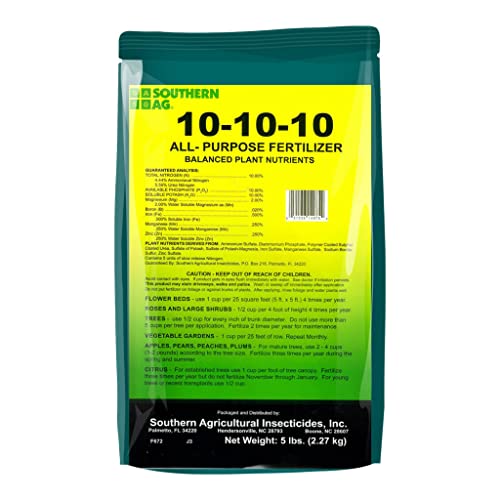
Fertilize your avocado tree regularly to ensure it receives the nutrients needed for fruit production. Use a balanced fertilizer, such as a 10-10-10 or 20-20-20 formula, in early spring and during the growing season every 6 to 8 weeks. Mix one tablespoon of fertilizer per gallon of water for feeding. Monitor leaf color; if they turn yellow, it might indicate nitrogen deficiency. Adjust your fertilization schedule accordingly. Additionally, consider adding organic compost during repotting to boost soil quality and overall health.
Common Challenges in Indoor Cultivation
Indoor avocado trees face several challenges that can hinder their growth and fruiting potential. Understanding these obstacles helps you create a thriving environment.
Recommended Products

Plant-Based Pest Protection: Helps protect plants from common pests including gnats, spider mites, aphids, fungus issues, and other plant-damaging insects using plant-based ingredients.

KILLS LISTED FRUIT & CITRUS TREE INSECTS: Controls Asian Citrus Psyllid, Whiteflies, Aphids Thrips, Citrus Leafminers, Leafhoppers, Blackfly, Mealybugs, Scales, Avocado Lacebugs, Oriental Beetles, Flea Beetles, Sharpshooters, and Spittlebugs

【Expertly Crafted】Meticulously formulated with a blend of organic matter, perlite, and vermiculite for optimal tree growth and fruit production.
Pests and Diseases
Pests can threaten your indoor avocado trees. Common infestations include spider mites, aphids, and mealybugs. Signs of these pests include yellowing leaves or sticky residue.
You can manage these issues by:
- Inspecting Regularly: Check the undersides of leaves and branches frequently for any signs of pests.
- Using Insecticidal Soap: Apply this product according to the instructions to effectively eliminate pests without harming your plant.
- Removing Infested Leaves: Prune away impacted leaves to prevent the spread of pests.
Diseases such as root rot and powdery mildew may also occur. Ensure proper watering practices to avoid waterlogged soil, which causes root rot. Good airflow around your plants helps prevent powdery mildew.
Environmental Factors
Environmental factors significantly influence indoor avocado trees. Low light, inconsistent temperature, and humidity levels impact growth and fruit production.
Ensure your trees receive:
- Adequate Light: Position your avocado tree near a south-facing window for at least 6 hours of direct sunlight daily. Use grow lights if natural light is insufficient.
- Stable Temperature: Maintain temperatures between 60°F and 85°F. Avoid placing the tree near drafts or heat sources to regulate temperature effectively.
- Consistent Humidity: A humidity level of 50% or higher benefits your avocado tree. You can achieve this by misting the plant regularly or using a humidity tray filled with water and pebbles.
Addressing these common challenges will enhance the potential for your indoor avocado tree to thrive and produce fruit.
Conclusion
Growing an indoor avocado tree can be a rewarding experience if you’re willing to put in the effort. By choosing the right variety and providing the ideal conditions, you can increase your chances of enjoying fresh avocados right from your home.
Remember to pay attention to factors like sunlight, temperature, and humidity. Pollination is also key so consider having both Type A and Type B trees for better results. With the right care and a little patience, your indoor avocado tree can flourish and possibly bear fruit.
So go ahead and start your avocado-growing journey. You might just find that homegrown avocados are worth the wait!
Frequently Asked Questions
Can avocado trees be grown indoors?
Yes, avocado trees can be successfully grown indoors. Selecting the right variety, like Wurtz or Bacon, can enhance your chances for success. With proper care, conditions, and attention, indoor avocado trees can thrive.
What conditions do avocado trees need to produce fruit?
Indoors, avocado trees need at least 6 hours of direct sunlight, a temperature between 60°F and 85°F, well-draining potting soil, and increased humidity of 50% or higher to produce fruit effectively.
Do I need more than one avocado tree for fruiting?
Yes, most avocado varieties are not self-pollinating. Planting a Type A and a Type B tree increases the chances of successful cross-pollination and boosts fruit production.
How often should I water my indoor avocado tree?
Water your avocado tree when the top inch of soil feels dry. Overwatering can lead to root rot, so it’s crucial to maintain a balance and ensure the pot has good drainage.
What fertilizers are best for avocado trees?
Use a balanced fertilizer every 6 to 8 weeks during the growing season. Monitor leaf color for nutrient deficiencies and consider adding organic compost during repotting to improve soil health.
How can I prevent pests on my indoor avocado tree?
Regularly inspect your tree for pests such as spider mites and aphids. Use insecticidal soap and prune any infested leaves. Maintaining good airflow can also help prevent infestations.
What common diseases affect indoor avocado trees?
Common diseases include root rot and powdery mildew. To prevent these, ensure proper watering techniques, avoid overwatering, and promote good airflow around the tree.
How can I increase humidity for my avocado tree?
You can increase humidity by misting the leaves regularly, using a humidifier, or placing humidity trays filled with water and pebbles near the tree. This helps maintain humidity levels above 50%.
When should I prune my indoor avocado tree?
Prune your avocado tree in early spring. Trim dead or crowded branches to promote airflow, and maintain a height of about 3 to 4 feet for optimal light exposure.
What type of potting soil is best for avocado trees?
Choose well-draining potting soil, ideally blended with organic matter. This mixture supports healthy growth by retaining moisture without waterlogging, which is crucial for avocado health.
