

Have you ever found yourself eagerly waiting for your lemon tree to bear fruit? You’re not alone. Many gardeners share the excitement of nurturing their plants, only to wonder when they’ll finally get to enjoy those juicy lemons.
Understanding the timeline for your lemon tree’s fruiting can make all the difference in your gardening experience. In this article, you’ll discover key factors that influence when your tree will produce fruit, from its age to the care it receives. By the end, you’ll feel more confident and informed about your lemon tree journey, ready to enjoy the fruits of your labor.
Key Takeaways
- Lifespan and Maturity: Lemon trees take 3 to 5 years to reach maturity and may take up to 15 years if grown from seed, so patience is essential.
- Key Influencing Factors: Age, variety, and environmental conditions like sunlight, soil quality, and temperature significantly impact fruit production.
- Optimal Growing Conditions: Ensure your lemon tree receives 8 to 12 hours of sunlight, well-draining soil with a pH of 5.5 to 6.5, and water deeply but infrequently.
- Regular Care Practices: Use balanced fertilizers every 6 weeks, prune to facilitate air circulation, and manage pests effectively to promote healthy growth and fruiting.
- Signs of Fruiting Readiness: Monitor for flower development and fruit formation to identify when your lemon tree is ready to bear fruit, ensuring proper care to prevent excessive fruit drop.
Understanding Lemon Trees
Lemon trees (Citrus limon) thrive in warm climates, making them popular among gardeners. Understanding their growth and fruiting cycle is crucial for successful cultivation.
Lifespan and Maturity
Lemon trees typically reach maturity in three to five years. Young trees may not bear fruit until they are fully established. Patience is essential. When planted from seed, fruit production may take up to 15 years.
Key Factors Influencing Fruiting
Several factors impact when your lemon tree will bear fruit:
- Age: Older trees generally produce fruit faster than younger ones.
- Variety: Some varieties, like ‘Eureka’ and ‘Lisbon’, are known for earlier fruiting.
- Growing Conditions: Optimal sunlight, water, and soil quality support healthy growth and fruit yield.
Optimal Growing Conditions
You can enhance growing conditions by following these guidelines:
- Sunlight: Ensure your lemon tree receives 8 to 12 hours of sunlight daily.
- Soil: Use well-draining soil with a pH level between 5.5 and 6.5.
- Watering: Water deeply but infrequently, allowing the soil to dry slightly between waterings.
Fertilization and Care
Regular care promotes fruiting. Consider these practices:
- Fertilize: Use a balanced fertilizer every six weeks during the growing season.
- Pruning: Regularly prune to remove dead or overcrowded branches, improving air circulation.
- Pest Management: Keep an eye on pests like aphids and spider mites; treat infestations promptly.
Environmental Considerations
Environmental factors also play a role:
- Temperature: Lemon trees thrive in temperatures between 70°F and 85°F. Protect them from frost.
- Humidity: A humid environment supports fruiting; consider misting or placing a humidity tray nearby.
By understanding these elements, you can optimize the conditions for your lemon tree, enhancing the chances of a fruitful harvest.
Factors Affecting Lemon Tree Fruiting
Understanding the key factors that influence lemon tree fruiting helps you nurture your tree effectively. These elements significantly impact when and how much fruit your lemon tree produces.
Recommended Products
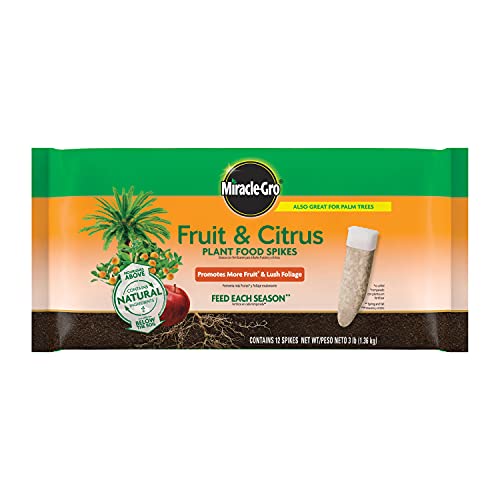
FORMULATED FOR CITRUS AND FRUIT TREES: Use these citrus fertilizer spikes on apple, orange, lemon, lime, and avocado trees; this formula is also great for feeding palm trees

Made for Lemon & Citrus Trees – Formulated to support healthy growth in lemon and citrus plants.

Made for Lemon & Citrus Trees – Formulated to support healthy growth in lemon trees and citrus plants
Age of the Tree
Age plays a crucial role in the ability of your lemon tree to bear fruit. Lemon trees typically start producing fruit between three to five years after planting. However, some varieties might take up to 15 years if grown from seed. Young nursery-bought trees often flower earlier. Monitor your tree’s growth, and remember that consistent care will help it mature effectively.
Environmental Conditions
Environmental conditions directly influence fruiting success. Provide your lemon tree with:
- Sunlight: Aim for 8 to 12 hours of sunlight daily. Trees in partial shade may not produce as much fruit.
- Soil Quality: Use well-draining soil with a pH of 5.5 to 6.5. Poor drainage can lead to root rot, hindering fruit development.
- Water: Water deeply but infrequently. Allow the top few inches of soil to dry out between waterings. Overwatering can stress the tree.
- Temperature: Lemon trees thrive in temperatures between 70°F and 85°F. Protect them from frost or extreme heat to maintain productivity.
- Humidity: Maintain adequate humidity, especially in dry climates, as lemon trees prefer slightly humid environments.
Adjust these environmental factors as needed to create the ideal growing conditions for your lemon tree.
Caring for Your Lemon Tree
Caring properly for your lemon tree helps it thrive and eventually bear fruit. Focus on a few essential practices to ensure your tree stays healthy.
Recommended Products

Package contains 4 Pounds organic fruit and citrus fertilizer grains and is produced to avoid wasteful runoff, mess, hazards and smells

Made for Lemon & Citrus Trees – Formulated to support healthy growth in lemon and citrus plants.

Balanced Organic Nutrition – Supplies a 6‑3‑3 NPK ratio along with calcium, sulfur, iron, and zinc to foster healthy foliage, flowering, and fruit.
Watering and Fertilization
Water your lemon tree deeply but infrequently. Aim for once a week, providing about 1 to 2 inches of water. This encourages deep root growth. Allow the top inch of soil to dry out between watering sessions.
Use a balanced fertilizer specifically formulated for citrus trees. Fertilize every 6 to 8 weeks during the growing season. Follow the recommended dosage on the fertilizer package. Look for nutrients like nitrogen, phosphorus, and potassium for optimal growth. Organic options such as compost can also work well.
Pruning and Sunlight Needs
Prune your lemon tree to maintain its shape and encourage air circulation. Remove any dead or damaged branches. Aim for pruning once a year, preferably in early spring, before new growth begins.
Your lemon tree thrives with ample sunlight. Ensure it receives 8 to 12 hours of direct sunlight daily. If growing indoors, place it near a south-facing window. If sunlight is limited, consider using grow lights to supplement.
Signs Your Lemon Tree Is Ready to Fruit
You can look for specific signs that indicate your lemon tree is poised to bear fruit. Monitoring these signs helps ensure you don’t miss the rewarding moment when your tree begins to flourish.
Recommended Products

Complete 3-in-1 nutrition – includes slow-release granular fertilizer, liquid micronutrient spray, and liquid calcium feed for all-in-one citrus tree care

🍋 NOURISHING FORMULA: Our specially crafted formula provides the essential nutrients that Lemon Trees need to thrive, producing juicy, vibrant fruit.

COMPLETE ONE YEAR NUTRITION SYSTEM - Everything Your Citrus Trees Need Professional 3-in-1 fertilizer kit includes controlled-release NPK 18-6-12 granules (covers 78 sq ft), liquid micronutrient concentrate (covers 312 sq ft), and calcium supplement (covers 312 sq ft). Specifically formulated for lemon, orange, lime, grapefruit, and all citrus varieties in large containers and in-ground plantings.
Flower Development
Watch for the appearance of flowers on your lemon tree. Flower buds typically emerge in clusters, signaling healthy growth. When you notice the first blooms, it’s an indicator that your tree is maturing. The robins’ egg blue color of newly opened flowers quickly gives way to white petals, which attract pollinators like bees. Healthy flowers can lead to fruit, and their presence generally heralds the beginning of the fruiting process.
Fruit Formation
After flowering, fertilized blossoms transform into tiny green fruits. This stage shows that your tree is successfully converting blooms into potential lemons. At this point, keep an eye out for fruit drop, which is a normal occurrence. However, if too many fruits drop, it might signal issues with water, nutrients, or stress. Optimal care practices, such as consistent watering and proper fertilization, boost fruit formation, leading to a healthy lemon harvest.
By recognizing these signs, you increase your chances of enjoying your homegrown lemons.
Conclusion
Growing a lemon tree is a rewarding journey filled with anticipation. With the right care and attention you can nurture your tree to reach its full potential. Remember to be patient as it may take a few years before you see those beautiful fruits.
Keep an eye on the signs of flowering and monitor your tree’s health regularly. By providing optimal conditions and following the care tips mentioned you’ll set the stage for a bountiful harvest. So enjoy the process and before you know it you’ll be savoring the taste of your homegrown lemons. Happy gardening!
Frequently Asked Questions
How long does it take for a lemon tree to bear fruit?
Lemon trees typically start producing fruit in three to five years. However, those grown from seed can take up to 15 years. The tree’s age, variety, and care directly influence its fruiting timeline.
What conditions do lemon trees need to thrive?
Lemon trees require 8 to 12 hours of sunlight daily, well-draining soil, and proper watering practices. They thrive in warm temperatures and benefit from humidity, which promotes healthy growth and fruit production.
How often should I water my lemon tree?
It’s best to water your lemon tree deeply but infrequently, about 1 to 2 inches of water weekly. This approach encourages strong root development and prevents overwatering, which can harm the tree.
What kind of fertilizer should I use for lemon trees?
Use a balanced fertilizer specifically formulated for citrus trees every 6 to 8 weeks during the growing season. This practice ensures your lemon tree receives essential nutrients for optimal growth and fruiting.
How can I tell if my lemon tree is about to bear fruit?
Look for flower buds developing in clusters, which indicate healthy growth. Newly opened flowers transition from blue to white, attracting pollinators and marking the beginning of the fruiting process.
