

Selecting the best banana trees for California involves understanding regional climate and soil conditions. Varieties like the Dwarf Cavendish and Gros Michel thrive in this environment, offering both aesthetic and edible benefits.
California Banana Tree Climate Considerations
California’s diverse climate offers unique opportunities and challenges for growing banana trees. Understanding the specific conditions in your region, such as temperature fluctuations and humidity levels, is essential for selecting the right banana varieties. This section explores the key climate considerations that will help you successfully cultivate bananas in California’s varied environments.
California’s diverse climate zones significantly impact banana tree growth. Most banana varieties prefer USDA zones 9-11, where temperatures rarely drop below freezing. Coastal areas provide humidity, while inland regions may require additional watering.
Consider these factors when choosing a banana tree:
Temperature: Bananas thrive in warm conditions, ideally between 75°F and 95°F.
Sunlight: Full sun exposure is essential for optimal growth.
Wind Protection: Strong winds can damage banana leaves and stems.
Top Banana Tree Varieties for California
California’s diverse climate offers unique opportunities for growing banana trees, but selecting the right variety is crucial for success. This section highlights the top banana tree varieties that thrive in California’s conditions, ensuring you can enjoy a fruitful harvest while navigating the specific challenges of the region. Discover which types will flourish in your garden and provide the best yield.
When selecting banana trees, it’s helpful to compare key characteristics. The following table outlines various banana tree options suitable for California.
| Variety | Height | Fruit Type | Cold Tolerance | Growth Rate |
|---|---|---|---|---|
| Dwarf Cavendish | 4-6 feet | Sweet | Moderate | Fast |
| Gros Michel | 10-12 feet | Sweet | Low | Moderate |
| Ice Cream | 6-10 feet | Sweet | Moderate | Fast |
| Orinoco | 8-12 feet | Sweet | High | Slow |
Recommended Products
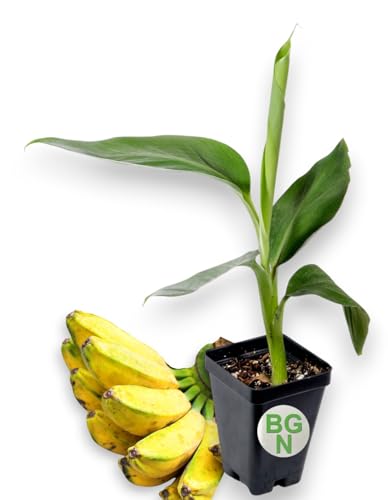
Size and Growth: The California Gold Banana plant is compact yet striking, reaching a mature height of about 5 to 7 feet. This manageable size makes it perfect for smaller spaces, urban gardens, or even as a potted plant on patios and balconies. Despite its smaller stature compared to other banana varieties, it delivers lush, wide leaves that lend a distinctly tropical feel to any setting.
![Greenwood Nursery: Live Perennial Plants - Musa Basjoo Cold Hardy Banana - [Qty: 2X Pint Pots] - (Click for Other Available Plants/Quantities)](https://m.media-amazon.com/images/I/51cl7jVVE3L._SL500_.jpg)
🌿 [INFO1] - Gives a tropical look to your garden. Grows from the Southern U.S. all the way to the southern part of Canada. A hardy Flowering Banana plant provides a tropical plant or jungle garden feel for pool landscapes, zen gardens and also makes an excellent container plant for porches, decks, patios & sunny areas of the house. The yellow orange flowers will produce small ornamental fruits that are not edible.
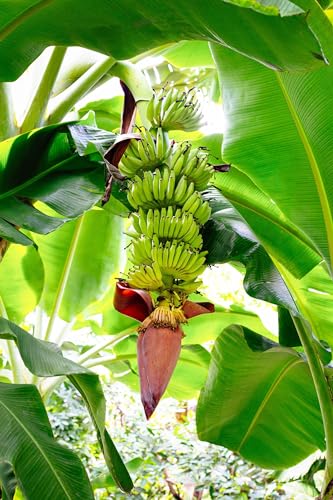
Live Plants for Planting 🌱 – Includes 4 rooted Musa basjoo banana plants, ready to plant in your garden or large pots.
California Banana Tree Selection Guide
When selecting banana trees for California, it’s essential to consider the unique climate and growing conditions of the region. This guide will help you navigate the best varieties suited for California’s diverse environments, ensuring successful growth and fruitful yields. Discover which banana trees thrive best and how to care for them effectively in your local setting.
Recommended Products

CHOOSE YOUR FAVORITE BANANA VARIETY – Select from Grand Nain, Dwarf Cavendish, Double Mahoi, Curly Tiny, or Basjoo Banana plants. Each variety offers unique characteristics, from sweet edible fruit to striking ornamental foliage and cold-hardy landscape performance.

This is a cold hardy variety of banana grown from zones 6-10

Banana trees grow quickly in warm conditions, producing large, lush green leaves that create a bold tropical look in yards, patios, or landscapes
Dwarf Cavendish Banana Tree Benefits
The Dwarf Cavendish Banana Tree stands out as a top choice for California gardeners seeking a compact yet fruitful variety. Known for its sweet, delicious bananas and manageable height, this tree thrives in warm climates, making it ideal for both home gardens and patios. Understanding its benefits can help you decide if it’s the right fit for your landscape.
The Dwarf Cavendish is a compact variety, making it ideal for smaller gardens. This tree produces sweet, flavorful bananas that are ready for harvest in about 9-12 months. Its height makes it manageable for home gardeners.
Key Features:
Height: 4-6 feet
Taste: Sweet and creamy
Harvest Time: 9-12 months
Gros Michel Banana Characteristics and Care
The Gros Michel banana, once the dominant variety in global trade, is known for its rich flavor and creamy texture. This section will explore its unique characteristics, ideal growing conditions, and essential care tips tailored for California’s diverse climate, ensuring a successful harvest for both novice and experienced gardeners.
The Gros Michel is known for its robust growth and larger fruit. This variety has a rich history as a commercial banana before the rise of the Cavendish. It requires more space and is less cold-tolerant.
Key Features:
Height: 10-12 feet
Taste: Rich and sweet
Harvest Time: 12-18 months
Ice Cream Banana Tree Characteristics
The Ice Cream Banana Tree, known for its sweet, creamy fruit, thrives in California’s warm climate. With its striking blue-green leaves and compact growth habit, this variety is not only a delight for the palate but also an attractive addition to any garden. Understanding its unique characteristics can help ensure successful cultivation in the region.
The Ice Cream banana tree is named for its unique flavor, reminiscent of vanilla ice cream. This variety is visually appealing with its colorful fruit and can tolerate cooler temperatures better than others.
Key Features:
Height: 6-10 feet
Taste: Creamy and sweet
Harvest Time: 12 months
Orinoco Banana Tree Characteristics
The Orinoco banana tree is a popular choice for California gardeners seeking a robust and fruitful variety. Known for its resilience and adaptability, this tree thrives in the state’s diverse climates, offering both ornamental beauty and delicious fruit. Understanding its unique characteristics can help you make an informed decision for your garden.
The Orinoco banana tree is particularly hardy and can withstand cooler temperatures. Its fruit is starchy and often used for cooking rather than fresh eating. This variety grows slower, making it suitable for those who prefer a long-term project.
Key Features:
Height: 8-12 feet
Taste: Starchy, best for cooking
Harvest Time: 15-18 months
Banana Variety Selection for California
Selecting the right banana variety is crucial for successful cultivation in California’s diverse climate. With options ranging from dwarf types to larger varieties, understanding the specific needs and growth habits of each can help ensure a fruitful harvest. This section will guide you through the best banana varieties suited for California’s unique growing conditions.
When choosing the right banana tree, consider the following:
Space Requirements: Dwarf varieties fit better in smaller gardens.
Fruit Usage: Determine if you want sweet fruit for fresh eating or starchy fruit for cooking.
Growth Rate: Fast-growing varieties yield fruit sooner.
Warning: Ensure you select a variety that matches your climate zone to avoid growth issues.
Recommended Products

Growing banana plants at home promotes sustainability and self-sufficiency. Customers can reduce their reliance on store-bought bananas, which often come from far distances, and enjoy the satisfaction of harvesting their own organic fruit.
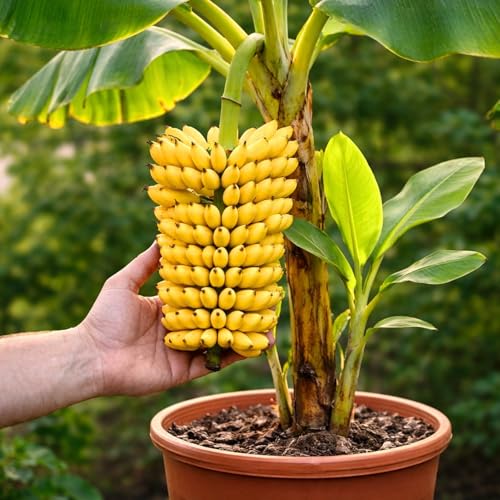
🍌 Premium Banana Seeds: High-quality banana seeds selected for planting and growing healthy tropical banana plants.
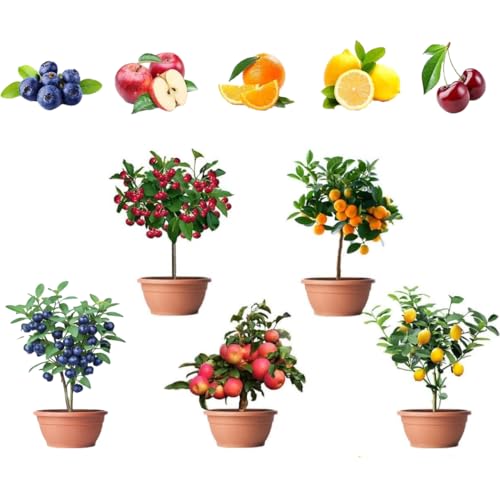
Variety Pack of 5 Fruits: Includes 40 Lemon seeds, 40 Orange seeds, 40 Apple seeds, 20 Cherry seeds, and 20 Blueberry seeds for a colorful and diverse home garden
California Banana Tree Care Tips
California’s diverse climate offers unique opportunities for growing banana trees, but proper care is essential for a thriving garden. Understanding the specific needs of these tropical plants can help ensure healthy growth and abundant fruit. Here are some essential tips tailored for successfully cultivating banana trees in California’s varied environments.
California’s unique microclimates necessitate specific care for banana trees. Here are some essential tips:
Soil Preparation: Use well-draining soil enriched with organic matter.
Watering: Maintain consistent moisture, especially during dry spells.
Fertilization: Apply a balanced fertilizer every few months to promote healthy growth.
Warning: Avoid overwatering, as this can lead to root rot.
Pest Control Strategies for Banana Trees
Pest management is crucial for maintaining healthy banana trees in California’s diverse climate. Effective strategies can help protect these plants from common pests that threaten their growth and fruit production. Understanding the specific challenges posed by local pests will enable growers to implement targeted solutions for thriving banana trees.
Banana trees can attract pests like aphids and spider mites. Regular monitoring is crucial for early detection.
Consider these pest management strategies:
Natural Predators: Introduce ladybugs to control aphid populations.
Neem Oil: Apply neem oil spray to deter pests without harming the tree.
Regular Inspections: Check leaves and stems regularly for signs of infestation.
Warning: Use pesticides as a last resort to avoid harming beneficial insects.
Choosing Ideal Banana Varieties for California
When selecting banana varieties for California, it’s essential to consider the region’s unique climate and growing conditions. Certain types thrive better in the state’s diverse environments, offering not only resilience but also the potential for abundant fruit production. Understanding these factors will help you make an informed choice for a successful banana garden.
Choosing the best banana trees for California involves understanding your specific growing conditions and preferences. Select varieties that thrive in your climate zone and meet your fruiting needs. With proper care, you can enjoy a fruitful harvest.
