

Have you ever noticed pesky pests or diseases threatening your fruit trees? You’re not alone. Many gardeners face the same struggle, wanting to protect their beloved trees without resorting to harsh chemicals. That’s where neem oil comes in.
This natural solution is effective in managing a variety of issues, but knowing when to use it can make all the difference. In this article, you’ll learn the best times to apply neem oil, ensuring your fruit trees stay healthy and productive. With a little guidance, you can enjoy bountiful harvests while keeping your garden eco-friendly.
Key Takeaways
- Neem Oil Composition: Derived from the neem tree, neem oil contains azadirachtin, which effectively targets pests and diseases on fruit trees.
- Timing for Application: Apply neem oil during the growing season (spring to early fall) in the early morning or late evening to maximize effectiveness and minimize leaf damage.
- Signs of Infestation: Monitor for visible pests, leaf damage, sticky residues, and webbing to determine the need for neem oil treatment.
- Dilution Guidelines: Use a 1–2% neem oil solution, mixing 1–2 tablespoons per gallon of water. Adjust the ratio for severe infestations as needed.
- Consideration for Beneficial Insects: To protect beneficial insects, apply neem oil during times when they are least active, avoiding mid-morning to early afternoon.
- Potential Side Effects: Test a small area for plant sensitivity to neem oil before full application to prevent leaf burn or discoloration.
Understanding Neem Oil
Neem oil is derived from the seeds of the neem tree, known scientifically as Azadirachta indica. It contains several active compounds, primarily azadirachtin, which provide its insecticidal and fungicidal properties. This natural oil prevents pests from feeding on your fruit trees and disrupts their reproductive cycle.
Recommended Products
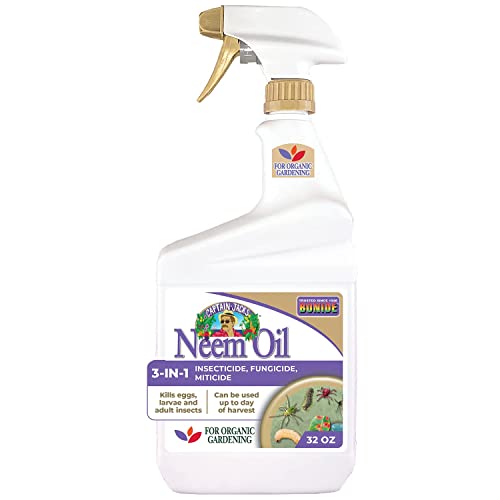
Protect your oasis with 3 garden products in 1 from Captain Jack’s; Bonide Captain Jack’s Ready-to-Use Neem Oil spray for plants is a multi-purpose fungicide, insecticide and miticide for your lawn & garden

FUNGAL DISEASE CONTROL: Prevents and controls black spot on roses, powdery mildew, rust, downy mildew, and other listed fungal diseases when applied on a 7–14 day schedule

Protect your oasis with Captain Jack’s Neem Max Ready-to-Use Spray; this multipurpose product acts as a 4-in-1 insecticide, fungicide, miticide and nematicide
Definition and Composition
Neem oil consists of a mixture of triglycerides, fatty acids, and essential nutrients. The key component, azadirachtin, acts as a powerful insect repellent, interfering with the growth and development of insects. Additionally, neem oil contains other compounds, such as nimbin and nimbidin, which also contribute to its pest control and antifungal effects.
Benefits for Fruit Trees
Using neem oil on fruit trees offers numerous benefits:
- Pest Control: Neem oil effectively targets aphids, spider mites, and whiteflies. Spraying it on your trees can significantly reduce infestations.
- Disease Prevention: Its antifungal properties help combat powdery mildew and other fungal infections, promoting healthier fruit production.
- Safe for Beneficial Insects: Unlike synthetic pesticides, neem oil poses minimal risk to beneficial insects when applied correctly, allowing pollinators to thrive.
- Natural and Eco-Friendly: Neem oil is biodegradable, making it an excellent choice for organic gardening efforts.
Applying neem oil appropriately ensures that your fruit trees stay healthy and productive.
When to Use Neem Oil
Applying neem oil at the right times maximizes its effectiveness against pests and diseases on your fruit trees.
Recommended Products
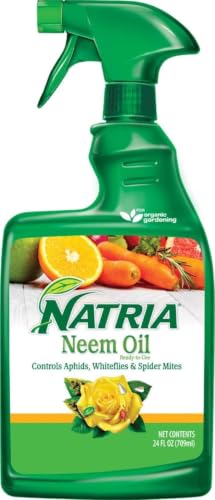
PLANT DISEASE CONTROL: Natria Neem Oil acts as an insecticide and fungicide in one convenient spray; Ready-to-use trigger sprayer requires no mixing
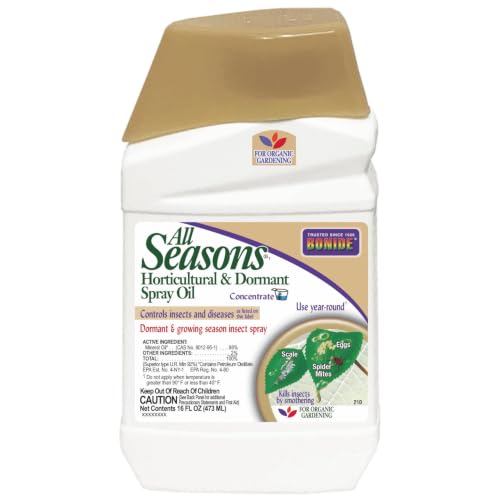
Control insects & diseases in your home garden with All Seasons Horticultural & Dormant Spray Oil Concentrate; use year-round to control listed insects and diseases

GNAT CONTROL FOR INDOOR PLANTS: This bundle includes our natural plant bug spray and 12 gnat sticky traps for plants; this powerful gnat spray for indoor plants kills fungus gnats, spider mites, and fruit flies; use it with our sticky traps for enhanced pest control, ensuring thorough coverage and effective elimination of bugs and pests in your home and garden; it's the perfect solution for getting rid of fruit fly and fungus gnats (please contact us if the traps are missing and we will send a replacement)
Seasonal Considerations
Use neem oil during the growing season, typically from spring to early fall. Focus on applying it during the early morning or late evening when temperatures are cooler to prevent damage to the leaves. In spring, target young leaves and buds as they emerge. In summer, continue applications every two weeks to address new pest threats. As fall approaches, use neem oil before leaf drop to protect the tree from overwintering pests.
Signs of Pest Infestation
Look for specific indicators that suggest a pest problem. Check for:
- Visible Insects: Look for pests like aphids, spider mites, and scale insects on the leaves.
- Leaf Damage: Notice holes, discoloration, or wilting, which suggest feeding activity.
- Sticky Residue: Find honeydew or a sticky substance on leaves, indicating aphid presence.
- Webbing: Observe fine webs, signaling spider mite infestations.
Address these signs promptly with neem oil. Apply it thoroughly, covering both the top and bottom surfaces of the leaves for maximum efficacy. Identify the pest type to adjust your frequency of application, ensuring targeted control.
Application Methods
Using neem oil effectively on fruit trees involves understanding the proper dilution and timing for application. Follow these guidelines to ensure optimal results.
Recommended Products

Protect your oasis with Captain Jack’s Neem Max Ready-to-Spray solution; this multipurpose product acts as a 4-in-1 insecticide, fungicide, miticide and nematicide

Control diseases and insects in your garden with Captain Jack’s Fruit Tree Spray Concentrate! Use on a variety of listed fruits, nuts and citrus plants.
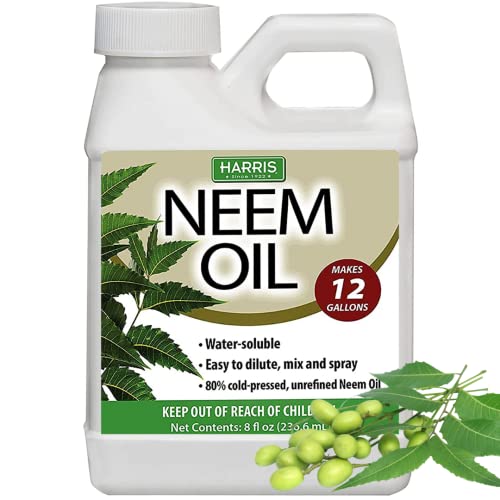
Cold-Pressed Neem Oil is a potent natural solution, ideal for maintaining healthy plants
Dilution Ratios
Dilution is key for effective neem oil use. A common dilution ratio is as follows:
- 1–2% Solution: For most applications, mix 1–2 tablespoons of neem oil with 1 gallon of water. This concentration offers a good balance for pest control without causing harm to plants.
- Stronger Infestations: If facing severe pest issues, increase the neem oil to 4 tablespoons per gallon of water. Always include a few drops of liquid soap as an emulsifier to help the oil mix well with water.
Be sure to shake the mixture thoroughly before applying. Test a small area of your tree before full application to ensure no adverse reactions occur.
Best Times for Application
Timing your neem oil applications ensures maximum effectiveness while minimizing potential damage to your fruit trees. Consider these optimal times:
- Early Morning or Late Evening: Apply neem oil during these cooler times to prevent leaf burn from the sun. Temperatures cooler than 85°F work best.
- Growth Stages:
- Spring: Apply neem oil when young leaves and buds begin to emerge. This ensures protection against early pests.
- Summer: Continue applications every two weeks, particularly if you observe signs of pests. Monitor conditions, and reapply sooner if infestations worsen.
- Fall: Use neem oil before leaf drop. This protects against overwintering pests and prepares your trees for dormancy.
Carefully assess your trees for any signs of pest activity before and after application, adjusting your schedule as necessary to keep your fruit trees healthy and vigorous.
Potential Side Effects
Using neem oil offers numerous benefits for managing pests on your fruit trees, but potential side effects exist. Understanding these can help you use neem oil effectively while minimizing risks.
Impact on Beneficial Insects
Neem oil affects not only harmful pests but also beneficial insects. Predators like ladybugs, lacewings, and bees can be sensitive to neem oil. When applying neem oil, target treatment areas specifically for pests. To limit adverse effects, avoid spraying during peak hours when beneficial insects are most active, typically mid-morning to early afternoon. Apply neem oil in the early morning or late evening for better safety.
Plant Sensitivity
Some fruit trees may exhibit sensitivity to neem oil, leading to leaf burn or discoloration. To prevent this, test a small area of the tree before widespread application. If no adverse reaction occurs after 24 hours, proceed with full application. Stick to the recommended dilution ratios—1–2 tablespoons of neem oil per gallon of water—for optimal results. Always check the specific needs of your tree variety, as different species may react differently to neem oil.
Conclusion
Using neem oil on your fruit trees can be a game-changer for keeping them healthy and thriving. By applying it at the right times and following the recommended methods, you can effectively manage pests and diseases without harming the environment.
Remember to pay attention to the signs of infestation and act promptly. With a little care and the right timing, your trees can flourish and reward you with delicious fruit. Enjoy your gardening journey and the bountiful harvests that come with it!
Frequently Asked Questions
What is neem oil, and why is it used in gardening?
Neem oil is a natural pesticide derived from the seeds of the neem tree (Azadirachta indica). It is used in gardening for its insecticidal and fungicidal properties, effectively combating pests like aphids and spider mites while preventing fungal infections. Its biodegradable nature and safety for beneficial insects make it a popular choice for organic gardening.
When should I apply neem oil to my fruit trees?
The best times to apply neem oil are during the growing season, specifically in the early morning or late evening. Applications should start in spring, targeting young leaves and buds, and continue every two weeks in summer. An application before leaf drop in the fall is also recommended to protect against overwintering pests.
How do I dilute neem oil for effective use?
For most applications, mix 1–2 tablespoons of neem oil per gallon of water. For heavier infestations, you can use up to 4 tablespoons. Always ensure proper dilution to avoid harming your plants while maximizing neem oil’s effectiveness against pests and diseases.
What are the signs of pest infestation on fruit trees?
Signs of pest infestation include visible insects on leaves, unusual leaf damage, sticky residue, and webbing between branches. If you notice any of these symptoms, it’s important to address them promptly using neem oil to prevent further damage to your trees.
Can neem oil harm beneficial insects?
While neem oil is generally safe for beneficial insects, it can impact them if sprayed during their active hours. To protect bees and ladybugs, avoid applying neem oil during peak activity times, typically in the afternoon. It’s best to apply neem oil early in the morning or late in the evening.
Are there any side effects of using neem oil on fruit trees?
Some fruit trees may be sensitive to neem oil, resulting in leaf burn or discoloration. It’s advisable to test a small area of the tree before widespread application. If you notice adverse effects, consider adjusting the dilution or application timing to minimize harm.
