

Have you ever wondered if you need two pear trees to get those delicious fruits? You’re not alone. Many gardeners find themselves puzzled by the idea of planting multiple trees just to enjoy a bountiful harvest.
Imagine planting a single pear tree, nurturing it with care, only to discover it won’t bear fruit. It’s a common scenario that can leave you feeling frustrated. This article will help you understand the importance of pollination and whether one tree can stand alone or if you really need a companion for those sweet pears. By the end, you’ll know exactly what to do to ensure your garden flourishes with fruit.
Key Takeaways
- Planting at least two pear trees of different varieties enhances pollination and increases fruit production significantly due to cross-pollination.
- Many pear trees are self-incompatible, meaning reliance on their own pollen will yield minimal or no fruit; consider planting compatible varieties to ensure a fruitful harvest.
- Choosing diverse pear types that bloom simultaneously will optimize pollination chances and contribute to larger, more abundant fruits.
- Soil quality, sunlight, and proper maintenance significantly affect the health and fruit-bearing capacity of pear trees; ensure well-drained, loamy soil and adequate care.
- For smaller spaces or convenience, consider dwarf pear trees or self-pollinating varieties that can produce fruit without needing a second tree, yet still benefit from having a companion nearby.
Understanding Pear Trees
Growing pear trees involves understanding their specific needs for fruit production. Several factors play into whether one tree suffices or multiple trees are necessary for a successful harvest.
Types of Pear Trees
You’ll find various types of pear trees, each with unique characteristics. Here are some popular varieties:
- European Pears: Common types include ‘Bartlett’ and ‘Bosc.’ These trees thrive in temperate climates and offer sweet, juicy fruits.
- Asian Pears: Varieties like ‘Shinseiki’ and ’20th Century’ produce crisp, apple-like fruits. They grow well in warmer regions.
- Hybrid Pears: Crossbreeds that combine traits from both European and Asian pears often resist diseases better. Examples include ‘Warren’ and ‘Kieffer.’
Each type requires a suitable environment and care, but pollination needs are similar across these categories.
Pollination Requirements
Pollination is vital for pear trees to bear fruit. Many pear trees exhibit self-incompatibility, meaning they need a partner for effective pollination. Planting at least two different pear tree varieties enhances fruit production.
Consider these points for successful pollination:
- Diverse Varieties: Choose different pear types that bloom at the same time. This synchronization boosts cross-pollination chances.
- Pollinator Presence: Attract bees and other pollinators by planting flowering plants nearby. This increases the likelihood of pollination.
- Distance: Plant trees within 100 feet of each other to ensure pollen transfer. Close proximity enhances fertilization rates.
By understanding these factors, you can ensure your pear trees yield a bountiful harvest.
The Role of Pollination
Pollination plays a crucial role in the fruit-bearing success of pear trees. Understanding how it works can ensure a fruitful yield in your garden.
Recommended Products

Fresh seeds

These are ready to plant and should be put in the ground according to the included instructions upon arrival. All pictures are of fully grown plants. Sizes shipped are in the title and description. Deciduous plants do not have leaves in the winter.

Home Orchard in a Pot: Experience the joy of homegrown pears with the American Plant Exchange Bartlett Pear Trees. These live, semi-self-pollinating fruiting trees, standing 3-4 feet tall in a 5-gallon pot, bring the allure of a home orchard to your outdoor landscape.
Cross-Pollination vs. Self-Pollination
Cross-pollination occurs when pollen from one tree fertilizes the flowers of another tree. Most pear trees, including many European and Asian varieties, rely on cross-pollination to bear fruit. These trees are often self-incompatible, meaning they can’t produce fruit from their own pollen alone. Self-pollination can happen with certain varieties, but yields tend to be lower. For example, the ‘Bartlett’ pear can sometimes self-pollinate, but pairing it with another variety significantly boosts fruit production.
Benefits of Having Two Trees
Having two different pear trees offers several benefits. First, diverse varieties blooming simultaneously increase the chances of successful cross-pollination. For instance, pairing a ‘Bartlett’ with a ‘Bosc’ can lead to larger and more abundant fruits. Second, having multiple trees attracts more pollinators, like bees, enhancing pollen transfer. Finally, growing multiple trees fosters genetic diversity, which leads to stronger plants that can resist pests and diseases better than single-variety orchards. Consider planting at least two compatible varieties within 100 feet of each other for optimal results.
Factors Affecting Fruit Production
Several factors influence the fruit production of pear trees. Understanding these elements can lead to a successful harvest each season.
Recommended Products

KNOW BEFORE YOU GROW | Grow the healthiest, sustainable lawn and garden with the most accurate and easy to use professional soil test kit on the market

Accurate Soil pH Testing: Dewildetradingco Soil pH Test Strips offer measurements of soil pH levels (pH 3.5-9). As an essential tool for every gardener and grower, these test strips help determine the optimal pH for various plants, such as outdoor plants, indoor plants, gardens, grass lawns, fruit trees, flowers, vegetables, and forest shrubs.

Kindly NOTE: This soil tester can not be applied to test pH value of any other liquid. If the soil is too dry the indicator will not move, and water it before testing.
Soil and Environmental Conditions
Soil quality plays a crucial role in the health of your pear trees. Aim for well-drained, loamy soil enriched with organic matter. Test the soil pH, which should range between 6.0 and 7.0 for optimal growth. Ensure adequate sunlight; pear trees thrive with at least six hours of direct sunlight daily. Consider your location as well—some varieties may perform better in specific climates. For instance, Asian pear trees often do well in warmer regions, while European varieties require conditions that mimic their native habitats.
It helps to monitor soil moisture levels. Pear trees prefer consistently moist soil, but avoid waterlogging, which can lead to root rot. Incorporating mulch can assist in moisture retention while regulating soil temperature, creating a favorable environment for fruiting.
Care and Maintenance
Regular care and maintenance significantly affect fruit production. Pruning your pear trees annually encourages healthy growth and allows sunlight to reach all parts of the tree. Focus on removing dead or crowded branches to improve air circulation and reduce disease risks. Use sharp, clean tools to make precise cuts.
Fertilize your trees in early spring using a balanced fertilizer. A typical ratio of 10-10-10 can promote healthy growth. Be cautious not to over-fertilize; excess nutrients can harm rather than help. Water your trees deeply, especially during dry spells, ensuring moisture penetrates at least 12 inches into the soil.
Monitoring for pests and diseases is vital. Regularly inspect your trees for signs of issues like aphids, pear scab, or fire blight. Prompt action can prevent small problems from escalating. Consider using organic pest control methods to maintain tree health without harmful chemicals.
By focusing on soil quality, environmental conditions, and consistent care, you create a strong foundation for fruitful pear trees.
Alternatives to Planting Two Trees
If you want fruit without planting multiple pear trees, several viable options exist. Consider these alternatives:
Recommended Products

Product Quantity: Five+ dwarf peach tree seeds per packet; Premium selection for optimal viability; Perfect for starting your own backyard orchard
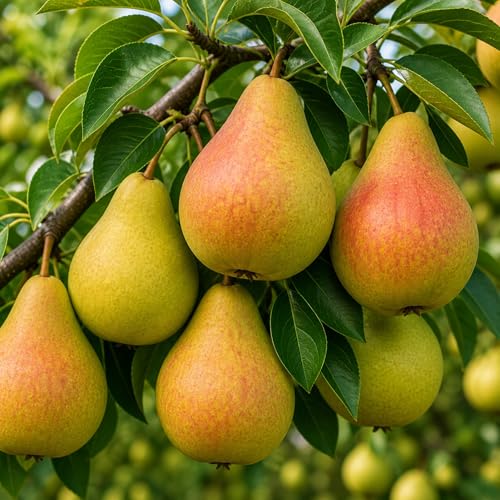
🍐 Grow Your Own Sweet Pears Enjoy fresh, homegrown pears right from your backyard or patio. These saplings are selected for healthy growth and reliable fruit production. Ships bare root and dormant (no leafs)

Produces sweet, juicy pears that are perfect for eating fresh or cooking
Dwarf Pear Trees
Dwarf pear trees offer a compact solution for smaller gardens. They typically reach a height of 6 to 10 feet, making them easy to manage. Dwarf varieties, such as ‘Harcourt’ or ‘Buerre Hardy,’ can produce fruit without needing a second tree. However, planting a different dwarf variety nearby may enhance fruit yield and quality.
Choosing Self-Pollinating Varieties
Self-pollinating pear trees require only one tree for fruit production. Varieties like ‘Bartlett’ or ‘Kieffer’ can produce fruit on their own, making them ideal for solo planting. Even so, having a different self-pollinating cultivar around can improve fruit set and size. When selecting a self-pollinating variety, ensure it’s suited for your climate and has similar flowering times for best results.
By exploring dwarf varieties and self-pollinating options, you can enjoy pears grown in your garden without the need for multiple trees.
Conclusion
If you’re dreaming of juicy pears from your garden it’s clear that having more than one pear tree can make a world of difference. While some varieties can self-pollinate it’s always beneficial to plant at least two different types to boost your chances of a bountiful harvest.
Consider the unique needs of your chosen varieties and ensure they’re close enough to support cross-pollination. Remember that factors like soil quality and sunlight play a crucial role too.
With a little planning and care you can enjoy the sweet rewards of your gardening efforts. So grab those trees and get ready for a fruitful adventure in your backyard!
Frequently Asked Questions
Do I need more than one pear tree to get fruit?
Most pear trees require at least two different varieties to produce fruit due to self-incompatibility. While some self-pollinating varieties like ‘Bartlett’ can bear fruit alone, their yield improves significantly with a second tree.
What varieties of pear trees should I plant together?
Select compatible varieties that bloom at the same time for effective cross-pollination. Good options include pairing ‘Bartlett’ with ‘Bosc’ or ‘Kieffer’ with ‘Anjou’ to enhance fruit production.
How far apart should pear trees be planted?
For optimal cross-pollination, plant pear trees within 100 feet of each other. Close proximity encourages pollinators to transfer pollen between the trees, increasing fruit yield.
What are the soil requirements for pear trees?
Pear trees thrive in well-drained, loamy soil with a pH between 6.0 and 7.0. Amending the soil with organic matter will enhance fertility and support healthy growth.
Can I grow pears if I only have space for one tree?
Yes! Consider planting a self-pollinating pear variety like ‘Bartlett’ or ‘Kieffer.’ While they can produce fruit alone, having another compatible variety will improve fruit size and quantity.
How much sunlight do pear trees need?
Pear trees require at least six hours of direct sunlight daily for optimal fruit production. Ensure they are planted in a location that gets adequate sunlight throughout the day.
What maintenance do pear trees require for good fruit yield?
Regular maintenance includes annual pruning, proper fertilization, pest management, and monitoring soil moisture. These practices promote healthy growth and maximize fruit production.
Are dwarf pear trees a good option?
Yes, dwarf pear trees are compact and can produce fruit with minimal space. Although they don’t require a second tree, planting a different dwarf variety nearby may enhance their yield.
