

Have you ever wondered if you can plant different fruit trees together in your backyard? You’re not alone! Many gardeners face the challenge of maximizing their space while dreaming of a diverse fruit harvest.
Key Takeaways
- Companion Planting Benefits: Planting different fruit trees together can enhance biodiversity, pest management, and soil health, maximizing your garden’s productivity.
- Resource Competition: Be mindful of competition for sunlight, water, and nutrients among trees, and choose varieties with similar needs to minimize competition.
- Cross-Pollination and Disease Concerns: Research compatibility to avoid cross-pollination issues and prevent disease spread when planting various fruit trees near each other.
- Optimal Pairings: Certain combinations, like apple with cherry or peach with plum, can provide mutual benefits and increase fruit yields.
- Best Planting Practices: Assess space needs, create a layout plan, and ensure adequate airflow and sunlight for successful growth when planting diverse fruit trees.
- Soil and Water Management: Test soil quality, use compatible soils, and implement consistent watering techniques to promote a healthy growing environment for your trees.
Understanding Companion Planting
Companion planting involves growing different plants together for mutual benefits. When considering fruit trees, it’s essential to recognize both the advantages and the potential pitfalls of planting a variety of them side by side.
Benefits of Planting Different Fruit Trees Together
- Increased Biodiversity: Mixing fruit trees enhances the variety of your garden. This diversity attracts beneficial insects, promoting pollination and pest control.
- Pest Management: Some trees naturally repel pests that might harm others. For instance, planting aromatic fruit trees can deter harmful insects.
- Space Optimization: Growing different trees together makes efficient use of your garden space. Dwarf varieties can thrive under larger trees, maximizing yields.
- Improved Soil Health: Different root structures promote better soil aeration. Diverse root systems can enhance nutrient uptake, improving overall soil quality.
- Competition for Resources: Trees compete for sunlight, water, and nutrients, which can stunt growth. Choose trees with similar requirements to minimize competition.
- Cross-Pollination Issues: Some fruit trees may cross-pollinate, affecting fruit quality. Research compatibility before planting to ensure desired outcomes.
- Disease Spread: Planting different varieties in proximity can facilitate disease transfer. Keep an eye out for diseases that could impact multiple types of trees.
- Space Constraints: Some root systems require more space than others. Planting large trees too close can lead to root entanglement and hinder growth.
By understanding these dynamics, you can effectively plan your garden layout, optimizing both space and productivity.
Suitable Fruit Trees for Companion Planting
Choosing the right fruit trees for companion planting can enhance your garden’s productivity. Below are suitable options and combinations to consider.
Recommended Products
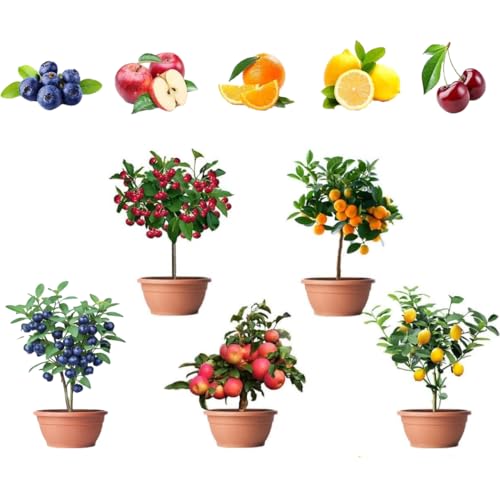
Variety Pack of 5 Fruits: Includes 40 Lemon seeds, 40 Orange seeds, 40 Apple seeds, 20 Cherry seeds, and 20 Blueberry seeds for a colorful and diverse home garden


4 kinds of the most popular fruits, individually packaged, 50pcs Lemon seeds 50pcs Cherry seeds 50pcs Orange seeds 50pcs Apple seeds Fresh seeds, all fruit seeds are packed in tear and moisture resistant zipper sealed bags for your long term storage.
Top Fruit Trees That Thrive Together
- Apple Trees: Pair with cherry or plum trees for cross-pollination benefits. Both attract pollinators.
- Peach Trees: Combine with plum trees, as they share similar growth requirements and attract beneficial insects.
- Citrus Trees: Plant lemon and orange trees together. They thrive in similar soil conditions and can repel pests.
- Blueberry Bushes: Team up with apple or pear trees. Blueberries prefer acidic soil, which can also benefit nearby fruit trees.
- Fig Trees: Pair figs with other soft fruits like strawberries. Both benefit from similar watering needs and soil conditions.
- Walnut Trees: Avoid planting near apple or cherry trees. Walnut roots release a juglone toxin that harms these species.
- Peach Trees: Don’t plant near apricot or nectarines due to shared susceptibility to diseases like fungal infections.
- Citrus Trees: Keep citrus varieties away from leylandii or eucalyptus trees, as they compete for nutrients and may encourage pests.
- Pine Trees: Avoid planting near fruit trees like apple or pear. Pine needles acidify the soil, which may not suit them well.
- Mulberry Trees: Steer clear of mulberry when planting figs or blackberries, as mulberries can attract unwanted pests.
By selecting compatible fruit trees, you’ll create a thriving ecosystem in your garden that maximizes space and productivity.
Best Practices for Planting Different Fruit Trees Together
Successfully planting different fruit trees together requires careful planning and execution. By following specific practices, you can enhance growth and yield.
Recommended Products

SAVE TIME AND EFFORT: This plant watering kit has everything you need to get started with drip irrigation and precisely water up to ten individual plants. Use the kit to build, expand, or repair a drip irrigation system
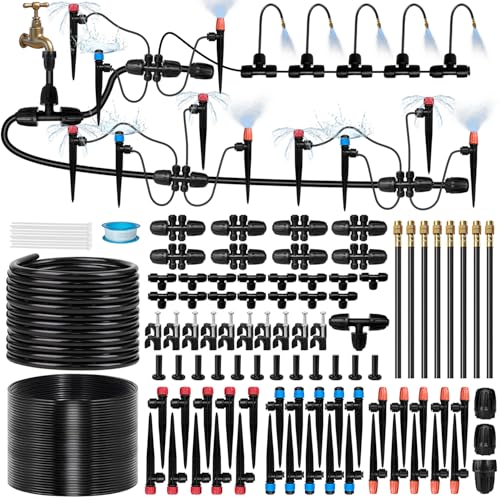
【Upgraded Tube Design & Water Saving】 Our garden watering system is upgraded to 1/2” diameter to support high water pressure. The 1/2” tee connector allows seamless splitting into 2 independent zones for customized watering schedules. By delivering moisture directly to root zones, this drip Irrigation system significantly reduces evaporation and runoff—saving more water compared to conventional sprinklers while eliminating the need for manual watering.

Unique Design: 1/4" drip emitter ensures wide water passages, large deep and wide cross-section that improves clogging resistance for Garden Pots, Trees and Shrubs
Spacing and Layout Considerations
- Assess Space Needs: Determine the mature size of each fruit tree. For example, standard apple trees need 15-20 feet, while dwarf varieties need 8-10 feet.
- Create a Layout Plan: Use a grid to visualize tree placements. Position larger trees towards the back or center, with smaller ones on the periphery for sunlight access.
- Allow Airflow: Space trees adequately to prevent overcrowding. This helps reduce disease risk, ensuring good air circulation around the branches.
- Consider Sun Requirements: Plant sun-loving trees where they receive full sunlight, while shade-tolerant varieties can go in partially shaded areas.
- Test Soil Quality: Use a soil test kit to check pH and nutrient levels. Most fruit trees thrive in slightly acidic to neutral soil (pH 6.0-7.0).
- Mix Compatible Soils: Blend different soil types if planting mixed trees. For instance, amend sandy soils for trees like peaches, which prefer well-draining conditions.
- Implement Consistent Watering: Maintain uniform moisture levels. Drip irrigation works well for mixed plantings as it prevents water competition and overwatering.
- Mulch for Retention: Apply mulch around the base of each tree. This conserves moisture, suppresses weeds, and improves soil health as it decomposes.
Conclusion
Planting different fruit trees together can be a rewarding experience that enhances your garden’s beauty and productivity. By choosing the right combinations and following some simple guidelines, you can create a vibrant ecosystem that supports healthy growth and yields a variety of delicious fruits.
Remember to consider each tree’s needs and how they can complement one another. With a little planning and care, you’ll be well on your way to enjoying a fruitful garden that not only maximizes your space but also brings a sense of joy and accomplishment. Happy gardening!
Frequently Asked Questions
Can I plant different fruit trees together in my backyard?
Yes, you can plant different fruit trees together. Companion planting enhances biodiversity, attracts beneficial insects, and maximizes space for a diverse fruit harvest.
What are the benefits of planting multiple fruit trees?
Planting multiple fruit trees promotes biodiversity, natural pest management, and improved soil health. It also helps maximize space and increases pollination opportunities, boosting overall fruit production.
What fruit trees are good for companion planting?
Good combinations include apple trees with cherry or plum trees for cross-pollination, peach trees with plum trees for similar growth needs, and lemon and orange trees for shared soil conditions.
What fruit tree combinations should I avoid?
Avoid planting walnut trees near apple or cherry trees due to toxic root secretions. It’s also best to keep peach trees away from apricot or nectarines to prevent disease spread.
How do I plan for planting fruit trees together?
Assess each tree’s space requirements, create a layout for sunlight access, and ensure adequate airflow. Testing soil quality and implementing consistent watering practices are also key for successful planting.
Does companion planting help with pest management?
Yes, companion planting helps with pest management by attracting beneficial insects and creating a balanced ecosystem that deters harmful pests naturally. This can lead to healthier fruit trees.
How can I improve soil health when planting multiple trees?
To improve soil health, mix compatible soils, test the existing soil quality, and apply mulch to retain moisture. Diverse root structures from different trees can also enhance soil richness.
Is there enough space for several fruit trees in a backyard?
Yes, with careful planning, you can maximize space in your backyard for several fruit trees. Assess each tree’s growth needs and plan a layout that optimizes sunlight and airflow.
What should I consider when watering fruit trees?
Consider each tree’s specific watering needs and establish consistent watering practices. Be sure to monitor soil moisture and adjust your watering schedule based on rainfall and tree growth stages.
How does cross-pollination benefit my fruit trees?
Cross-pollination can improve fruit yield and quality by enhancing genetic diversity. Pairing compatible trees, like apple and cherry, can boost pollination and result in a better harvest.
