

Are your fruit trees looking a bit unruly? Pruning is essential for keeping them healthy and productive, but timing is everything. In Wisconsin’s unique climate, knowing when to prune can make all the difference between a bountiful harvest and a disappointing yield.
This article will guide you through the best times to prune your fruit trees, helping you avoid common pitfalls. You’ll learn how seasonal changes affect your trees and discover tips to ensure they thrive. With the right timing, you can enjoy a flourishing orchard that yields delicious fruits year after year.
Key Takeaways
- Optimal Pruning Timing: In Wisconsin, the best time to prune fruit trees is between late February and early April during their dormant phase to minimize stress and promote healthy growth.
- Seasonal Considerations: Prune early-blooming fruit trees as winter ends and focus on late-blooming varieties while they are still dormant. Avoid pruning in the fall to allow trees to harden before winter.
- Benefits of Pruning: Regular pruning enhances growth, increases fruit yield, aids disease control, and improves airflow, ensuring healthy and productive fruit trees.
- Fruit Tree-Specific Techniques: Different types of fruit trees, such as apples, pears, and cherries, require tailored pruning techniques, with late winter/fall pruning crucial for many varieties.
- Essential Tools: Effective pruning relies on the right tools, including pruning shears, loppers, and saws, alongside protective gear like gloves and goggles to ensure safety during the process.
- Maintenance Practices: Focus on proper pruning techniques, regular tree assessment, and seasonal adaptations to foster a thriving orchard and avoid common pruning pitfalls.
Understanding Pruning
Pruning is essential for maintaining the health and productivity of fruit trees. It involves removing specific branches to promote growth, improve fruit quality, and manage tree shape. Knowing when and how to prune can significantly influence your orchard’s success.
Importance of Pruning Fruit Trees
Pruning fruit trees plays a crucial role in their overall health. Removing dead or diseased branches prevents the spread of pests and diseases. Thinning out crowded limbs allows better light penetration and air circulation, facilitating healthy growth. Additionally, consistent pruning encourages fruit production, ensuring trees bear crops in the upcoming seasons.
Benefits for Tree Health
Pruning yields several health benefits for your fruit trees:
- Enhanced Growth: Regular pruning stimulates new growth, leading to a stronger tree structure.
- Increased Yield: Properly pruned trees generally produce larger and more abundant fruits.
- Disease Control: Eliminating damaged limbs reduces the potential for infections and infestations.
- Improved Airflow: Thinning branches helps prevent fungal diseases caused by damp, stagnant air.
Incorporating these benefits will foster healthier trees and a more fruitful harvest. Always assess your trees yearly to determine the best approach for pruning, ensuring their longevity and productivity.
When to Prune Fruit Trees in Wisconsin
Pruning fruit trees at the right time is vital for maximizing their health and productivity. In Wisconsin, specific seasons present ideal opportunities for pruning.
Recommended Products

★ 1. What you get: Professional convenient grafting tool set including a dual-use grafting pruner tool contain 2 extra replaceable blades, a wrench and a screwdriver, along with 36pcs wide rubber bands, 150 thick rubber bands and 1 grafting tape, packed in a black wallet to meet all your needs


Package Includes: Contents 1 Manual gardening grafting cutter and 2 rolls of 2 sizes of grafting tape, meeting your needs.
Ideal Pruning Times
Pruning occurs primarily in late winter to early spring, typically between late February and early April. During this time, trees are still dormant, which minimizes stress and encourages healthy growth. New cuts heal more effectively during dormancy, reducing the risk of disease and infection. If you’re pruning stone fruits like cherries and peaches, do it before buds swell in early spring.
Seasonal Considerations
Consider seasonal changes when planning your pruning schedule.
- Winter Overview: Dormant season allows for easy visibility of tree structure.
- Spring Focus: Prune early-blooming fruits as soon as winter ends; target late-blooming fruits while they’re still dormant.
- Summer Practices: Light pruning can help manage tree size and encourage air circulation, particularly in dense canopies.
- Fall Limitations: Avoid pruning in the fall; trees need time to harden off before winter.
Utilizing these seasonal considerations ensures optimal growth and fruit yield, supporting a flourishing orchard amidst Wisconsin’s climate challenges.
Types of Fruit Trees and Pruning Techniques
Pruning techniques vary by tree type, ensuring optimal growth and fruit production. Your selection of fruit trees in Wisconsin impacts the pruning approach you’ll use.
Recommended Products
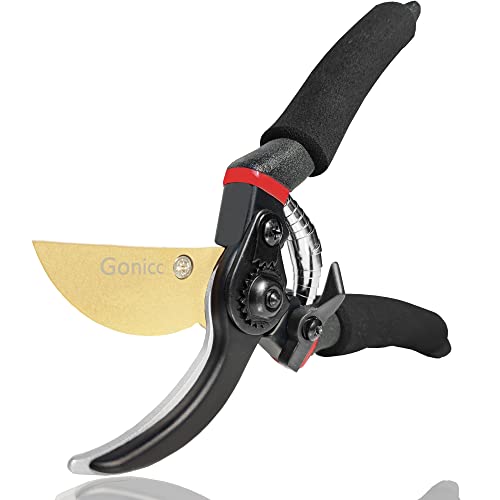
Drop-forged construction delivers exceptional durability and sturdiness for long-term heavy garden use.

Sharp & Rustproof: Our garden scissors are made of premium stainless steel material, which has corrosion resistance and good hardness. Sharp blades can quickly finish pruning tasks for gardens, vegetable gardens, orchards, and indoor plants
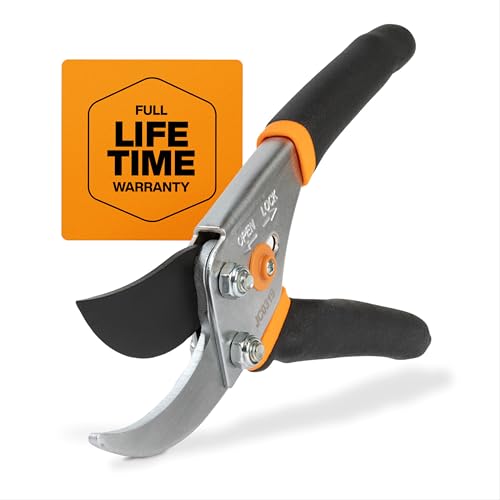
CLEAN CUTS FOR LIVE GROWTH: Bypass blade design is ideal for pruning delicate flower stems and green growth, helping reduce crushing and plant damage while cutting stems and small branches up to 5/8” in diameter
Common Fruit Trees in Wisconsin
- Apple Trees
Apple trees thrive in Wisconsin. Varieties like Honeycrisp and McIntosh flourish here, producing sweet, crisp fruit. Prune in late winter to enhance air circulation and promote fruit production. - Pear Trees
Pear trees, such as Bartlett and Bosc, also do well. They benefit from winter pruning to improve shape and health, allowing better sunlight exposure. - Cherry Trees
Sweet and sour cherry trees grow well. Prune sour cherries in late winter and sweet cherries right after harvesting to maintain size and vigor. - Peach Trees
Peaches, especially red-fleshed varieties, require careful pruning. Do this in late winter or early spring to remove dead wood and encourage new growth. - Plum Trees
Plum trees, including European and Japanese types, thrive with proper care. Late winter pruning promotes strong branches and better fruit load. - Blueberry Bushes
Consider these shrubs for smaller spaces. Prune in late winter to remove old canes, promoting new growth for larger berries.
- Thinning Cuts
Focus on this technique to improve airflow and sunlight penetration. Remove inward-growing branches to reduce disease risks and enhance fruit size. - Heading Cuts
Use heading cuts to control the height and shape of trees. This technique stimulates bushier growth and is perfect for younger trees, encouraging a robust structure. - Renewal Pruning
Apply renewal pruning on older trees. Remove older branches to promote new growth, ensuring future harvests remain productive. - Summer Pruning
Engage in light summer pruning to manage growth during the growing season. Trim back vigorous shoots to maintain shape and allow better light access. - Dormant Pruning
Dormant pruning occurs while trees are inactive. This period ensures minimal stress and encourages a vigorous spring flush. - Restorative Pruning
Implement this method for trees suffering from neglect. Remove dead or broken branches, then focus on restoring shape and health over time.
By understanding the types of fruit trees and the appropriate pruning techniques, you can enhance the health and productivity of your orchard in Wisconsin.
Tools and Equipment Needed for Pruning
Proper pruning requires the right tools and equipment to ensure an effective and safe experience. Here’s what you need to gather before you start.
Recommended Products

✂Multifunctional -2 in 1 Garden Grafting Tools-Professional grafting set allows you to pruning and grafting at the same time, saving more time and effort than traditional grafting methods, easy to use and more efficient. It allows you to trim away excess leaves and twigs and prepare the plants to be grafted. At the same time, you can make a precise cut into the grafting stock with the special grafting blade.

Pruning Trees Shrubs and Vines No 54 By Gardenway Editors

PROFESSIONAL GARDENING GRAFTING TOOLS: Including 2 in 1 grafting pruning tools, 3 replaceable blades, a grafting knife, a screwdriver, a wrench, 2 grafting films, 160 rubber bands, 40 wide rubber bands, and 50 colorful tag cards
Essential Tools
- Pruning Shears: Use sharp hand pruners for small branches, ideally with a bypass design for clean cuts.
- Loppers: Choose loppers with long handles for leverage when cutting thicker branches up to 2 inches in diameter.
- Pruning Saw: A pruning saw works best for larger branches, typically over 2 inches in diameter. Select a curved blade saw for easier cutting.
- Pole Pruner: For branches that are high up, a pole pruner extends your reach without needing a ladder.
- Gloves: Leather gloves protect your hands from thorns and sharp branches.
- Safety Goggles: Wear safety goggles to shield your eyes from debris while pruning.
- Hand Sanitizer: Keep hand sanitizer for disinfecting tools between trees, especially when dealing with diseased plants.
- Wear Protective Gear: Always wear gloves and safety goggles to prevent injuries from sharp tool edges and falling debris.
- Inspect Tools: Check tools for any damage before use. Sharp, well-maintained tools work more effectively and safely.
- Use Proper Techniques: Avoid standing beneath branches while cutting. Maintain a stable position and balance for better control.
- Stay Hydrated: Drink water during hot weather to stay energized and focused.
- Take Breaks: Don’t overexert yourself. Take regular breaks to prevent fatigue, allowing you to work more safely and efficiently.
- Manage Electrical Hazards: Look for overhead power lines when using extension tools. Stay clear of these areas to prevent accidents.
Equipping yourself with the right tools and following safety precautions sets the stage for effective pruning, fostering healthier fruit trees in Wisconsin.
Conclusion
Pruning your fruit trees is a rewarding task that can lead to healthier trees and bountiful harvests. By timing your pruning right and using the proper techniques, you can make a significant difference in your orchard’s productivity. Remember to assess your trees regularly and adapt your approach based on their specific needs.
With the right tools and a little care, you’ll be well on your way to enjoying the fruits of your labor. Embrace the process and watch your trees thrive in Wisconsin’s unique climate. Happy pruning!
Frequently Asked Questions
What is the best time to prune fruit trees in Wisconsin?
Pruning fruit trees in Wisconsin is best done from late winter to early spring, specifically between late February and early April. This timing takes advantage of the trees’ dormant period, minimizing stress and promoting healthy growth.
Why is pruning important for fruit trees?
Pruning is crucial for maintaining the health and productivity of fruit trees. It helps promote growth, improve fruit quality, control tree shape, and prevent the spread of pests and diseases by removing dead or diseased branches.
What are the benefits of pruning fruit trees?
The benefits of pruning include enhanced tree growth, increased fruit yield, better disease control, and improved airflow. These factors contribute to healthier trees and a more abundant harvest.
How should I prune different types of fruit trees?
Each type of fruit tree requires specific pruning techniques. For example, apple and pear trees may benefit from thinning cuts, while stone fruits should be pruned before bud swelling. Familiarize yourself with recommended methods for each fruit tree type.
What tools do I need for pruning fruit trees?
Essential tools for pruning fruit trees include pruning shears, loppers, pruning saws, and pole pruners. It’s also important to have protective gear such as gloves and safety goggles for a safe pruning experience.
How can I ensure a safe pruning experience?
To ensure safety while pruning, inspect tools for damage, use proper techniques, stay hydrated, and manage electrical hazards. Wearing protective gear and taking breaks will also help minimize injury risks during the process.
Can I prune fruit trees in the fall?
Fall pruning is not recommended as it can stress the trees and leave them vulnerable to winter damage. Instead, it’s best to adhere to the recommended timing of late winter to early spring for effective pruning.
