

Banana trees can grow in Minnesota, but they require specific care to survive the severe cold. Using protective measures such as greenhouses or heat sources can help create a suitable environment for these tropical plants.
Cold-Hardy Banana Tree Varieties for Minnesota
In Minnesota’s challenging climate, selecting the right banana tree variety is crucial for successful growth. Cold-hardy options are specifically bred to withstand low temperatures, making them suitable for the state’s unique conditions. Understanding these varieties can help gardeners cultivate banana trees despite the severe cold.
Not all banana trees are suited for cold climates. The most common varieties include the Dwarf Cavendish and the Hardy Banana, which can tolerate lower temperatures. Selecting the right variety is crucial for successful growth in Minnesota.
Recommended Products
![Greenwood Nursery: Live Perennial Plants - Musa Basjoo Cold Hardy Banana - [Qty: 2X Pint Pots] - (Click for Other Available Plants/Quantities)](https://m.media-amazon.com/images/I/51cl7jVVE3L._SL500_.jpg)
🌿 [INFO1] - Gives a tropical look to your garden. Grows from the Southern U.S. all the way to the southern part of Canada. A hardy Flowering Banana plant provides a tropical plant or jungle garden feel for pool landscapes, zen gardens and also makes an excellent container plant for porches, decks, patios & sunny areas of the house. The yellow orange flowers will produce small ornamental fruits that are not edible.

HARDY AND VERSATILE: The Musa Basjoo Banana Tree is celebrated for its impressive cold tolerance, thriving in USDA zones 3-7. It's perfect for introducing a tropical flair to a variety of climates.

Cold-Tolerant Banana Varieties
While Minnesota’s harsh winters pose a challenge for growing banana trees, certain cold-tolerant varieties offer hope for enthusiasts. These resilient plants have adapted to withstand lower temperatures, making them a viable option for gardeners looking to cultivate bananas in a less-than-ideal climate. Understanding these varieties can help maximize success in Minnesota’s unique growing conditions.
| Variety | Cold Tolerance | Height | Flavor Profile |
|---|---|---|---|
| Dwarf Cavendish | 30°F | 3-4 feet | Sweet and creamy |
| Hardy Banana | 10°F | 5-6 feet | Mild and starchy |
| Ice Cream Banana | 25°F | 6-8 feet | Creamy and sweet |
Warm Environment for Banana Trees
Banana trees thrive in warm, tropical climates, making their growth in colder regions like Minnesota a challenge. Understanding the ideal temperature and environmental conditions necessary for these plants is crucial for anyone looking to cultivate them in less-than-ideal climates. This section explores the warm environment requirements essential for successful banana tree growth.
To grow banana trees in Minnesota, creating a warm environment is essential. Consider using a greenhouse or indoor planting to shield the plants from harsh winter conditions.
Preparing the Growing Environment for Bananas
Growing banana trees in Minnesota presents unique challenges due to the state’s harsh winters. To successfully cultivate these tropical plants, it’s essential to create an optimal growing environment that mitigates the effects of severe cold. This section explores effective strategies for preparing your banana trees to thrive despite the frigid conditions.
Choose a Location: Select a sunny spot with good drainage.
Install a Greenhouse: Use a structure that retains heat and allows sunlight.
Use Heating Mats: These can provide additional warmth during cold nights.
Mulch the Soil: Apply a thick layer of mulch to insulate the roots.
Seasonal Banana Tree Care Strategies
Caring for banana trees in Minnesota requires a strategic approach to address the challenges posed by the state’s harsh winters. Understanding seasonal care techniques is essential for maintaining the health and vitality of these tropical plants, ensuring they thrive despite the cold. This section outlines effective strategies to protect and nurture banana trees throughout the year.
Banana trees require different care throughout the seasons. Understanding these needs can help ensure healthy growth and fruit production.
Recommended Products

Sturdy Material, Porous and Breathable: our tree wrap is made of jute burlap material. It was light weight so it didn't hurt the plants and keeping them warm saved them from freezing, and dries faster than most wraps after it gets wet so the danger of rotting is broken
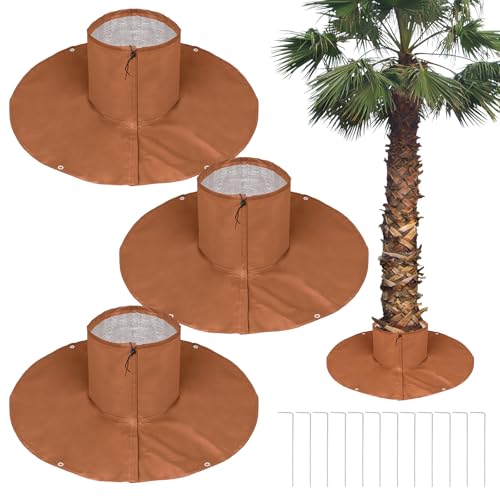
Package Includes: You will receive 3 palm tree root protectors; each measures 11.8 x 11.8 x 39.4 inches and features a sleek, elegant silver appearance, meeting the root protection needs of multiple palm trees.

PACKAGE: The package includes 8Pcs plant covers,will meet your daily use or replacement. Measuring 31.5" x 47.3", the plant protector is waterproof, windproof.
Seasonal Care for Minnesota Banana Trees
Caring for banana trees in Minnesota requires careful attention to seasonal changes due to the region’s harsh winters. Understanding how to protect these tropical plants from severe cold is essential for successful growth. This section outlines the specific seasonal care practices needed to ensure banana trees thrive despite the challenges posed by Minnesota’s climate.
| Season | Care Actions |
|---|---|
| Spring | Fertilize with a balanced fertilizer |
| Summer | Water regularly and monitor pests |
| Fall | Prepare for winter by trimming leaves |
| Winter | Maintain warmth and reduce watering |
Cold Protection Strategies for Minnesota Banana Trees
Growing banana trees in Minnesota presents unique challenges due to the state’s harsh winters. To ensure these tropical plants thrive despite severe cold, specific protection strategies are essential. This section explores effective methods to safeguard banana trees, allowing enthusiasts to enjoy their lush foliage even in a frigid climate.
Minnesota winters can be harsh, making protection vital for banana trees. Implementing specific strategies can help mitigate cold damage.
Recommended Products
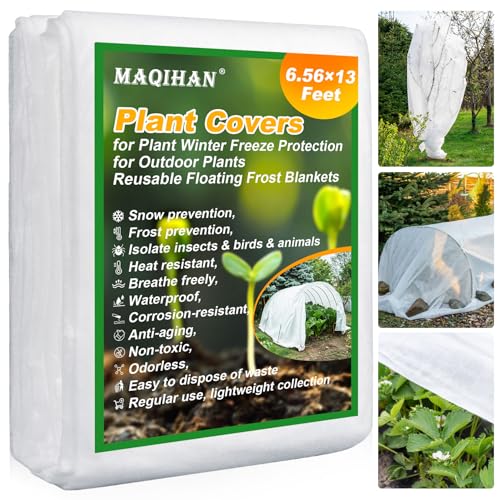
Product Features: Our plant covers are ideal for protecting all plant. Made from premium 1 oz/sq non-woven fabric, their durability and breathability ensuring both insulation against frost and facilitation of sunlight penetration for healthy plant growth

Extra Thick Tree and Plant Covers for Winter: Scrubits Frost Blankets for outdoor plants and Trees will ensure that your Trees and large plants not only survive the winter but thrive and grow to blossom. With its extra thick fabric and long-lasting material, you can be confident about next year's harvest.

Premium Material - Made of 2.06 oz/yd²(70gsm) breathable, non-woven fabric, the frost blankets for outdoor plants are an affordable, durable, and convenient way to provide frost and cold protection to outdoor plants. Breathable yet waterproof, these winter plant covers allow sunlight to penetrate while shielding a plant from cold air and helping to maintain a consistent inner temperature.
Trunk Insulation Techniques for Cold Protection
Banana trees, typically suited for warmer climates, face significant challenges in Minnesota’s severe cold. To help these tropical plants survive harsh winters, effective trunk insulation techniques are essential. This section explores various methods to protect banana tree trunks from freezing temperatures, ensuring their resilience and potential for growth in a less-than-ideal environment.
Wrap the Trunk: Use burlap or frost cloth to insulate the trunk.
Cover the Plant: Use frost cloth or blankets during extreme temperatures.
Install Heat Lamps: Position heat lamps near the plants for extra warmth.
Dig Up and Store: For smaller plants, consider digging them up and storing them indoors.
Addressing Banana Tree Growth Challenges
Growing banana trees in Minnesota presents unique challenges due to the state’s severe cold climate. Understanding these obstacles is crucial for successful cultivation, as the frigid temperatures can hinder growth and threaten the plants’ survival. This section explores effective strategies for overcoming these difficulties and ensuring banana trees thrive in less-than-ideal conditions.
Growing banana trees in Minnesota can lead to unique challenges. Identifying and addressing these issues promptly can improve success rates.
Banana Tree Growth Challenges in Cold Climates
Growing banana trees in Minnesota presents unique challenges due to the state’s severe cold climate. The harsh winters can hinder the growth and survival of these tropical plants, making it essential to understand the specific obstacles they face. This section explores the factors affecting banana tree growth in colder regions and offers insights into effective solutions.
| Problem | Symptoms | Solution |
|---|---|---|
| Leaf Browning | Dry, crispy edges | Increase humidity and water |
| Stunted Growth | Slow or no growth | Check soil nutrients |
| Pest Infestation | Visible insects on leaves | Use insecticidal soap |
Cold-Weather Strategies for Banana Trees
Growing banana trees in Minnesota presents unique challenges due to the state’s severe cold winters. However, with the right strategies, it’s possible to cultivate these tropical plants successfully. This section explores effective methods for protecting banana trees from harsh temperatures and ensuring their survival in a climate that isn’t naturally conducive to their growth.
Growing banana trees in Minnesota is achievable with the right approach. Focus on selecting suitable varieties and implementing effective protective measures. Regular monitoring will help ensure your banana trees thrive despite the cold climate.
