

Have you ever wondered what fruit trees thrive in Seattle’s unique climate? With its mild temperatures and ample rainfall, the Pacific Northwest offers a fantastic opportunity to grow a variety of delicious fruits right in your backyard. Whether you’re a seasoned gardener or just starting out, knowing which trees will flourish can make all the difference.
Key Takeaways
- Ideal Climate for Growing: Seattle’s mild temperatures and ample rainfall make it suitable for a variety of fruit trees, thriving under its unique climate conditions.
- Popular Varieties: Some of the best fruit trees for Seattle gardeners include apple (‘Gravenstein’, ‘Honeycrisp’), cherry (‘Bing’, ‘Stella’), and pear (‘Bartlett’, ‘Anjou’) trees, each requiring full sun and well-drained soil.
- Lesser-Known Options: Lesser-known fruit trees like plum (‘Methley’, ‘Santa Rosa’) and fig (‘Brown Turkey’, ‘Celeste’) can add diversity to your garden, flourishing in Seattle’s climate with proper care.
- Growing Season Insights: The typical growing season lasts from late March to early October, allowing for a variety of fruits to be planted and harvested throughout the year.
- Maintenance Tips: Proper soil preparation, regular pruning, and ongoing maintenance are crucial for ensuring healthy and productive fruit trees in Seattle.
- Harvest Timing: Understanding the ripening times of different fruit varieties—from strawberries in late spring to apples in early fall—can enhance your overall gardening success.
Overview of Seattle’s Climate
Seattle’s climate supports a diverse range of fruit trees due to its mild temperatures and ample rainfall. Understanding this climate helps you select the best trees for your garden.
Temperature and Precipitation
Seattle experiences cool, wet winters and mild, dry summers. Average winter temperatures hover around 36°F to 45°F, while summer temperatures range from 60°F to 80°F. Rainfall averages about 37 inches annually, with most precipitation occurring during fall and winter. This consistent moisture benefits many fruit trees, especially those that require regular watering, like apples, plums, and cherries.
Growing Seasons
The growing season in Seattle typically lasts from late March to early October. Frost-free days average about 160 days each year, which is suitable for many fruit varieties. Early-season fruits, like strawberries, thrive in late spring, while late-season crops, such as apples, ripen in September and October. Selecting trees that fit this growing timeline ensures a successful harvest.
Consider your planting schedule based on the specific fruit tree’s needs, and enjoy the rewarding experience of growing your own fruit in Seattle’s climate.
Popular Fruit Trees in Seattle
Seattle’s climate supports a wide range of fruit trees, making it easy to grow luscious fruits in your backyard. Here are some popular choices for local gardeners.
Recommended Products


Home Orchard in a Pot: Experience the joy of homegrown pears with the American Plant Exchange Bartlett Pear Trees. These live, semi-self-pollinating fruiting trees, standing 3-4 feet tall in a 5-gallon pot, bring the allure of a home orchard to your outdoor landscape.

The Rose Apple tree, scientifically known as Syzygium jambos, is a tropical fruit tree that belongs to the Myrtaceae family. It is renowned for its beautiful flowers, glossy leaves, and aromatic fruits that resemble small apples with a rosy fragrance. The Rose Apple tree typically grows to a height of 15 to 40 feet, with a broad, dense canopy of dark green, glossy leaves. The leaves are lance-shaped and aromatic when crushed.
Apple Trees
Apple trees thrive in Seattle’s environment. Choose varieties like ‘Gravenstein’ and ‘Honeycrisp’ for their exceptional flavor. These trees require full sun and well-drained soil. Prune in late winter to maintain shape and promote airflow. Expect to harvest apples from late summer to fall.
Cherry Trees
Cherry trees bring beautiful blooms in spring and sweet fruits in summer. Opt for ‘Bing’ or ‘Stella’ varieties for the best results. Plant in a sunny spot with good drainage. Regular pruning keeps the tree healthy and encourages fruit production. Cherries typically ripen in June and July.
Pear Trees
Pear trees, such as ‘Bartlett’ and ‘Anjou,’ flourish in Seattle’s climate. They require full sun and well-draining soil. To enhance fruit quality, thin the pears as they grow. Harvesting occurs in late summer to early fall, depending on the variety. Pears store well, allowing you to enjoy them long after harvest.
Lesser-Known Fruit Trees
Exploring less common fruit trees can add diversity and unique flavors to your garden in Seattle.
Recommended Products
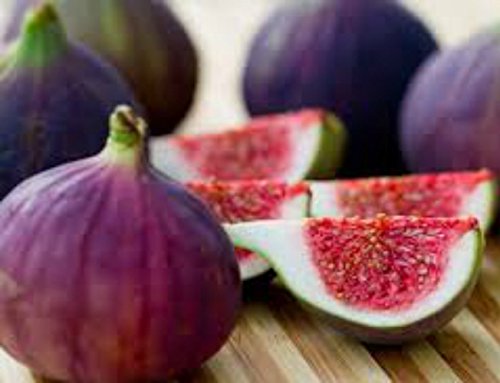
The price includes Four (4) "Violette de Bordeaux" Fig Trees with USPS Shipping. These 2 inch rooted plants shipped in a 2 inch tray pots. The plants are at least 2-5 inches tall.

🍓 Sweet Bite-Sized Figs – Amber-mauve fruit with vibrant strawberry pink centers.

Easy Growing: Perfect for both novice and experienced gardeners, these plum tree seeds thrive with minimal maintenance while producing sweet, juicy fruits in your home garden
Plum Trees
Plum trees thrive in Seattle’s climate, offering a range of varieties known for their sweet and tangy fruit. Popular choices include the ‘Methley’ and ‘Santa Rosa,’ both producing medium-sized, flavorful plums. Plant these trees in full sun and well-drained soil, ensuring they get enough water during the growing season. Regular pruning encourages healthy growth and better fruiting.
Fig Trees
Fig trees, such as the ‘Brown Turkey’ and ‘Celeste,’ adapt well to Seattle’s mild winters. These trees prefer slightly warmer spots in your yard, so consider placing them against a south-facing wall for added warmth. Figs enjoy well-drained soil and regular watering, especially during dry spells. Harvest ripe figs from late summer through fall, enjoying their honey-like sweetness fresh from the tree.
Raspberry Bushes
Raspberry bushes produce abundant fruit in Seattle’s climate, making them a favorite for home gardens. Varieties like ‘Heritage’ and ‘Tulameen’ yield delicious berries that ripen from June to August. Plant these bushes in full sun and ensure they have good air circulation to prevent disease. Regular pruning after harvest helps maintain their shape and encourages higher yields in subsequent years.
Tips for Growing Fruit Trees in Seattle
Growing fruit trees in Seattle can be rewarding. Follow these tips to ensure a fruitful harvest.
Recommended Products

Comprehensive Soil Analysis: Liquid soil test kits offer a comprehensive analysis of essential soil parameters, including pH, ammonia, nitrogen, phosphorus, and potassium. Having all these measurements in one kit provides a holistic understanding of the soil's fertility and health.

Quick, at home results for Soil pH, Nitrogen, Phosphorous and Potash Innovative and inexpensive soil test kit features an easy-to-use capsule system and patented color comparators

Kindly NOTE: This soil tester can not be applied to test pH value of any other liquid. If the soil is too dry the indicator will not move, and water it before testing.
Soil Preparation
Soil preparation sets the foundation for healthy fruit trees. Test your soil’s pH; it should fall between 6.0 and 7.0 for optimal growth. Amend heavy clay or sandy soil with organic matter like compost to improve drainage and fertility. Dig a hole twice the diameter of the root ball for planting. Avoid planting too deeply; the root flare should sit above the soil line. Mulch with organic materials to retain moisture and suppress weeds.
Pruning and Maintenance
Pruning and maintenance keep fruit trees productive. Prune in late winter or early spring before new growth begins. Remove dead or diseased wood, and thin branches to improve airflow. Aim for an open center to enhance sunlight penetration. Water young trees regularly, especially during the first two years. Fertilize with a balanced fertilizer in early spring. After harvesting, clean up fallen fruit to prevent pests and diseases.
By applying these tips, you’ll cultivate healthy fruit trees that thrive in Seattle’s unique climate.
Conclusion
Growing fruit trees in Seattle can be a rewarding experience. With the right selection and care you can enjoy a bountiful harvest of delicious fruits right from your own backyard. Whether you choose popular varieties like apples and cherries or explore unique options like figs and plums there’s plenty to discover.
Remember to consider your garden’s specific conditions and follow best practices for planting and maintenance. By nurturing your trees you’ll not only enhance your garden’s beauty but also create a delightful source of fresh fruit. So grab your gardening tools and get ready to enjoy the fruits of your labor in Seattle’s wonderful climate!
Frequently Asked Questions
What types of fruit trees grow well in Seattle’s climate?
Seattle’s mild and wet climate is ideal for fruit trees like apples, cherries, pears, and plums. Popular varieties include ‘Gravenstein’ and ‘Honeycrisp’ for apples, ‘Bing’ and ‘Stella’ for cherries, and ‘Bartlett’ for pears. These trees thrive in full sun and well-drained soil.
When is the best time to plant fruit trees in Seattle?
The best time to plant fruit trees in Seattle is in late winter or early spring, after the last frost. This timing allows the trees to establish their roots before the growing season, which typically lasts from late March to early October.
How long is the growing season for fruit trees in Seattle?
Seattle’s growing season usually lasts from late March to early October, providing around 160 frost-free days. This period is suitable for a variety of fruit trees and ensures they have ample time to produce fruit.
What is the average temperature range in Seattle for growing fruit trees?
In Seattle, average winter temperatures range from 36°F to 45°F, while summer temperatures vary between 60°F and 80°F. This moderate temperature range contributes to favorable growing conditions for fruit trees.
How often should I water young fruit trees?
Young fruit trees should be watered regularly, especially during dry spells. Ensure they receive about 1 inch of water per week, including rainfall, to help establish healthy roots and promote growth.
What are the best practices for pruning fruit trees?
Prune fruit trees in late winter or early spring to encourage healthy growth and fruit production. Focus on removing dead or diseased branches and thinning the canopy to enhance sunlight exposure and air circulation within the tree.
What soil conditions are ideal for planting fruit trees in Seattle?
Fruit trees thrive in well-drained soil with a pH between 6.0 and 7.0. If your soil is heavy clay or sandy, amend it with organic matter to enhance drainage, fertility, and overall tree health.
Can I grow uncommon fruit trees in Seattle?
Yes, Seattle’s climate allows for growing lesser-known fruit trees like figs and plums. Varieties such as ‘Brown Turkey’ figs and ‘Methley’ plums can add diversity to your garden while thriving in the local conditions.
