

Are you dreaming of a backyard filled with fresh fruit? Planting fruit trees can turn that dream into reality, but timing is everything. In South Texas, the unique climate plays a big role in when you should get those trees in the ground.
Key Takeaways
- Optimal Planting Times: The best seasons for planting fruit trees in South Texas are late February to early April in spring and September to early November in fall, avoiding frost damage and promoting root establishment.
- Climate Adaptability: Selecting fruit tree varieties suited for the South Texas climate, such as citrus, peaches, and pecans, is crucial to ensure a successful harvest.
- Soil Preparation: Conduct a soil test, amend as necessary, and ensure well-drained soil to support healthy root growth and prevent issues like root rot.
- Watering and Nutrition: Consistent watering and fertilizing, especially during the first year, are vital for the thriving of newly planted trees.
- Pest Management: Regularly inspect trees for pests and diseases, using organic solutions and companion planting to maintain tree health and increase productivity.
- Location Selection: Choose a planting site with full sun exposure, proper spacing, and wind protection to foster optimal growth conditions for fruit trees.
Understanding Fruit Trees
Planting fruit trees in South Texas requires knowledge about the right types of trees and climate conditions. Selecting trees that thrive in local weather ensures a fruitful harvest.
Types of Fruit Trees Suitable for South Texas
- Citrus Trees: Oranges, lemons, and grapefruits flourish in South Texas. These trees thrive in warm climates and can tolerate light frost.
- Pecan Trees: Pecans offer not only delicious nuts but also shade. They prefer well-drained soil and need space to grow.
- Peach Trees: Varieties like ‘Mexican Peach’ grow well in the area. Choose low-chill varieties to handle the warmer winters.
- Fig Trees: Figs tolerate heat and drought. They produce fruit as long as conditions remain suitable.
- Apple Trees: Certain varieties, like ‘Anna’ and ‘Dorsett Golden,’ adapt to the warmer zone of South Texas.
Climate Considerations
Understanding the climate in South Texas is essential for successful fruit tree growth. The region experiences hot summers and mild winters, affecting tree selection and planting time.
- Frost Dates: Last average frost usually occurs in late March. Planting after this date minimizes the risk of frost damage.
- Heat Tolerance: Choose heat-adaptive varieties. Some trees, like figs, handle higher temperatures better than others.
- Drainage Needs: Ensure your planting site has well-drained soil to prevent root rot. Amending soil with organic matter boosts drainage.
By selecting the right type of fruit tree and planting at the appropriate time, you enhance your chances of a bountiful harvest in South Texas.
Timing for Planting
Timing plays a crucial role in the successful establishment of fruit trees in South Texas. Planting at the right moment enhances growth and fruit production.
Recommended Products

Product Quantity: 180+ premium bonsai fruit seeds across 5 varieties; Individual packs contain 40+ apple, 40+ lemon, 40+ orange, 20+ blueberry, and 40+ cherry seeds; Perfect for starting a diverse miniature orchard

Ideal Seasons for Planting
Spring serves as the best season for planting fruit trees. Opt for late February to early April, when the risk of frost diminishes. Consider planting fruit trees during this window for optimal root development. Fall also presents a viable option, especially from September to early November. The soil remains warm, promoting root growth before dormancy.
Factors Influencing Planting Time
Several factors impact the ideal planting time for fruit trees:
- Frost Dates: Know the last frost date in your area. This knowledge helps you avoid frost damage to newly planted trees.
- Soil Temperature: Ensure soil temperatures reach at least 60°F. Warmer soil encourages root establishment.
- Tree Varieties: Understand the specific needs of different fruit tree species. For instance, citrus trees thrive when planted after the frost season, while peach trees prefer early spring planting.
- Local Climate Conditions: Monitor local weather patterns. Unusual weather may affect the best planting timing.
By considering these factors, you can enhance the growth and productivity of your fruit trees in South Texas.
Preparing for Planting
Preparing for planting fruit trees involves essential steps to ensure they thrive in South Texas. Focus on improving soil quality and selecting the best location for your trees.
Soil Preparation Techniques
- Test Your Soil: Start with a soil test to understand pH levels and nutrient content. Ideal pH for most fruit trees ranges from 6.0 to 6.8.
- Amend the Soil: If your soil is too acidic or alkaline, add lime or sulfur as needed. Enrich the soil with organic matter like compost or well-rotted manure to enhance fertility and drainage.
- Tilling: Loosen the soil by tilling to a depth of at least 12 inches. This helps with root penetration and improves aeration.
- Drainage Check: Ensure proper drainage to avoid root rot. If your area has heavy clay, consider raised beds or mounds to improve water runoff.
- Watering: Water the prepared area a few days before planting. This helps settle the soil and ensures a moist environment for the new roots.
- Sunlight: Choose a spot that receives full sun for at least six to eight hours daily. Sunlight promotes healthy growth and fruit production.
- Protection from Wind: Select a location sheltered from strong winds. Consider planting near a fence, wall, or other structures that can serve as windbreaks.
- Spacing: Allow enough space between trees to ensure air circulation; typically, aim for 15 to 20 feet apart, depending on the variety.
- Soil Conditions: Look for areas with well-draining soil. Avoid low spots where water may pool after heavy rains.
- Accessibility: Ensure the location is easy to access for maintenance, such as pruning and harvesting.
By following these preparation steps, you set a solid foundation for your fruit trees, allowing them to flourish in the South Texas climate.
Post-Planting Care
Post-planting care is crucial for the success of your fruit trees in South Texas. Proper attention at this stage ensures healthy growth and increased fruit production.
Recommended Products

Let our professionally formulated plant food help your fruit tree grow healthy, strong AND abundantly producing
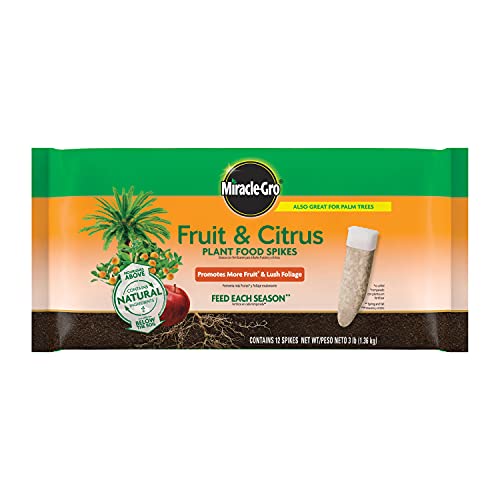
FORMULATED FOR CITRUS AND FRUIT TREES: Use these citrus fertilizer spikes on apple, orange, lemon, lime, and avocado trees; this formula is also great for feeding palm trees

【Unique Design Deep Root Tree Watering Tool】 Our root watering tool have four exit hole for the water,won't got clogged easily,It made of stainless steel,not rusting from the inside out.It can leave in the soil and is strong enough to drive through gravel,help your plants build a strong root system .
Watering and Nutrient Management
Water your newly planted trees consistently, especially during the first year. Aim for deep watering once a week, providing about 10-15 gallons. Early morning is the best time to water, as it minimizes evaporation. Monitor soil moisture by digging a few inches down; it should feel moist but not soggy.
Fertilize your trees with a balanced fertilizer, like 10-10-10, in early spring. Follow the manufacturer’s recommendations for quantity based on the tree’s age and size. Additionally, consider adding organic mulch around the base of the trees. Mulch retains moisture, suppresses weeds, and improves soil nutrients as it breaks down.
Pest and Disease Control
Regularly inspect your trees for signs of pests or diseases. Look for leaves with holes, discoloration, or sticky residue, as these may indicate a problem. If you notice issues, act quickly to identify and address them.
Use organic pesticides when necessary, following instructions carefully. Consider introducing beneficial insects, like ladybugs, which feed on harmful pests. Keep your trees clean by removing fallen leaves and fruit to deter disease.
Practice crop rotation and plant companion plants, such as marigolds, to repel harmful insects. Staying proactive in pest and disease management leads to healthier fruit trees and a more abundant harvest.
Conclusion
Planting fruit trees in South Texas can be a rewarding experience when you time it right. By choosing the right season and preparing your soil properly, you set the stage for healthy growth and fruitful harvests. Remember to keep an eye on local climate conditions and adjust your care routine as needed.
With a little patience and attention, you’ll soon enjoy the sweet rewards of your labor. So grab your gardening tools and get ready to watch your backyard flourish with delicious fruits. Happy planting!
Frequently Asked Questions
What fruit trees grow best in South Texas?
In South Texas, fruit trees like citrus, pecan, peach, fig, and specific apple varieties thrive well due to the region’s climate. It’s essential to choose trees suited to local conditions for optimal growth and fruit production.
When is the best time to plant fruit trees in South Texas?
The ideal time to plant fruit trees in South Texas is late February to early April, after the risk of frost. Fall planting from September to early November is also successful due to warm soil, which promotes root growth.
How can I prepare the soil for planting fruit trees?
To prepare the soil, test the pH, amend with organic matter, till for aeration, check drainage, and water the area before planting. These steps improve soil quality and create a healthy environment for your fruit trees.
What care do fruit trees need after planting?
After planting, fruit trees require consistent watering, especially in the first year—deep watering once a week is recommended. Also, apply balanced fertilizers in spring and use organic mulch to retain moisture and suppress weeds.
How do I control pests and diseases on my fruit trees?
Regular inspections for pests and diseases are crucial. Use organic pesticides as needed and consider proactive measures like crop rotation and companion planting to support healthier trees and enhance fruit production.
