

Jujube trees can thrive in Albuquerque, NM, given the right conditions. These trees are well-suited for the High Plains due to their drought tolerance and adaptability to various soil types.
Jujube Tree Cultivation Conditions in Albuquerque
Albuquerque’s unique climate and soil conditions present both challenges and opportunities for growing jujube trees. Understanding the specific requirements for successful cultivation in this region can help gardeners maximize their yield and ensure healthy growth. This section delves into the essential factors influencing jujube tree cultivation in the High Plains.
Jujube trees require specific conditions to flourish, particularly in arid climates like Albuquerque. They prefer full sun exposure and well-draining soil. Understanding these requirements is crucial for successful cultivation.
Recommended Products

Grow your own apple, a tree of legend that has been cherished and cultivated for thousands of years by people of many cultures from every corner of the world
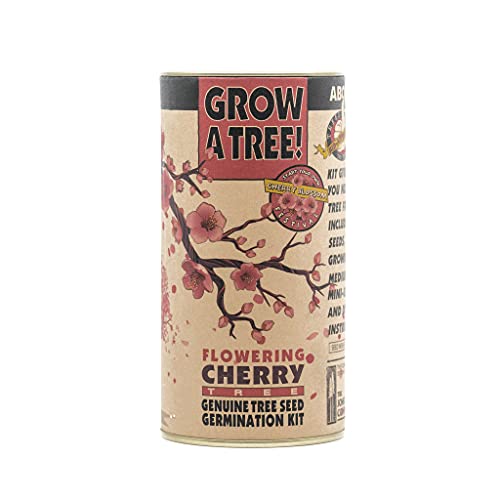
Grow your own tree from seed!

Grow your own bonsai tree from seed!
Optimal Soil Types for Jujube Trees
Understanding the ideal soil conditions is crucial for successfully growing jujube trees in Albuquerque, NM. The unique climate and soil composition of the High Plains can significantly impact the health and productivity of these trees. This section will explore the optimal soil types that support the growth of jujube trees in this region.
Jujube trees thrive in sandy or loamy soils with good drainage. Heavy clay soils can retain moisture, which may lead to root rot.
pH Level: Aim for a pH between 6.0 and 7.5.
Soil Texture: Sandy or loamy soils are best.
Nutrient Content: Moderate fertility is sufficient.
Jujube Tree Planting Best Practices
Planting jujube trees in Albuquerque, NM, requires careful consideration of the local climate and soil conditions. Understanding the best practices for planting can significantly enhance the chances of successful growth and fruit production. This section outlines essential tips to help gardeners establish healthy jujube trees in the High Plains environment.
Proper planting techniques can significantly impact the growth of jujube trees. Follow these steps for optimal results.
Select a Healthy Sapling: Choose a disease-free jujube sapling from a reputable nursery.
Prepare the Planting Hole: Dig a hole twice the width of the root ball and the same depth.
Amend the Soil: Mix in organic compost to improve soil fertility.
Position the Tree: Place the sapling in the center of the hole, ensuring the root collar is level with the soil surface.
Backfill and Water: Fill the hole with soil and water thoroughly to eliminate air pockets.
Jujube Tree Climate Adaptation in Albuquerque
Jujube trees, known for their resilience and adaptability, can thrive in the unique climate of Albuquerque, NM. Understanding the specific climatic conditions and challenges of the High Plains region is essential for successful cultivation. This section explores how these trees can be effectively integrated into Albuquerque’s environment, ensuring a fruitful harvest.
Albuquerque’s climate features hot summers and cold winters. Jujube trees can withstand temperature fluctuations, but early frost can damage young trees.
Frost Protection Techniques for Jujube Trees
Jujube trees can thrive in Albuquerque’s unique climate, but protecting them from frost is essential for their success. Understanding effective frost protection techniques can help gardeners ensure their trees remain healthy and productive throughout the colder months. This section explores practical strategies to safeguard jujube trees from frost damage in the High Plains region.
Implementing frost protection strategies can safeguard young jujube trees during cold snaps.
Mulching: Apply a layer of mulch around the base to insulate roots.
Row Covers: Use lightweight row covers during unexpected frost events.
Windbreaks: Plant windbreaks to reduce cold winds.
Jujube Tree Watering Guidelines for Albuquerque
Understanding the watering needs of jujube trees is crucial for successful cultivation in Albuquerque’s unique climate. Given the region’s arid conditions and fluctuating temperatures, proper irrigation techniques can significantly impact tree health and fruit production. This section outlines essential watering guidelines tailored for jujube trees in the High Plains.
Watering is essential, especially during the initial growth phase. Jujube trees are drought-tolerant but require regular moisture in their early years.
Frequency: Water deeply once a week during dry spells.
Timing: Water in the morning to reduce evaporation.
Signs of Stress: Look for drooping leaves as an indicator of inadequate moisture.
Jujube Tree Pest Monitoring Strategies
Effective pest monitoring is crucial for maintaining healthy jujube trees, especially in the unique climate of Albuquerque, NM. Understanding common pests and implementing proactive strategies can help ensure robust growth and fruit production. This section outlines practical methods for monitoring and managing pests that may threaten your jujube trees in the High Plains region.
While jujube trees are relatively pest-resistant, monitoring for common issues is essential. Early detection allows for effective management.
Recommended Products

KILLS LISTED FRUIT & CITRUS TREE INSECTS: Controls Asian Citrus Psyllid, Whiteflies, Aphids Thrips, Citrus Leafminers, Leafhoppers, Blackfly, Mealybugs, Scales, Avocado Lacebugs, Oriental Beetles, Flea Beetles, Sharpshooters, and Spittlebugs

Protect your garden with Fruit Tree & Plant Guard from Bonide! Fruit Tree & Plant Guard is effective in controlling a wide range of fungal diseases and insects.
Pests Affecting Jujube Trees in Albuquerque
Jujube trees, known for their resilience and unique fruit, can face various pest challenges in Albuquerque’s climate. Understanding the specific pests that affect these trees is crucial for successful cultivation in the High Plains region. This section explores the common pests encountered by jujube trees and offers practical tips for managing them effectively.
Be aware of these pests that may affect jujube trees:
| Pest | Description | Control Method |
|---|---|---|
| Aphids | Small green insects that suck sap | Insecticidal soap |
| Spider Mites | Tiny webs on leaves | Neem oil |
| Scale Insects | Hard shells on branches | Horticultural oil |
Jujube Tree Disease Management Strategies
Managing diseases in jujube trees is crucial for ensuring healthy growth and fruit production, particularly in the unique climate of Albuquerque, NM. This section explores effective strategies for identifying and treating common ailments that can affect jujube trees, providing practical tips tailored to the challenges faced in the High Plains region.
Preventing diseases is crucial for maintaining tree health.
Root Rot: Ensure proper drainage to prevent this issue.
Leaf Spot: Remove affected leaves and improve air circulation.
Optimal Timing for Jujube Harvest
Understanding the optimal timing for harvesting jujube trees is crucial for maximizing fruit quality and yield, especially in Albuquerque’s unique climate. This section delves into the specific indicators and seasonal cues that signal when jujubes are ready for picking, ensuring that growers can enjoy the best possible harvest from their trees.
Harvesting jujube fruit requires careful timing to ensure quality. The fruit is typically ready for harvest in late summer to early fall.
Harvest Indicators for Jujube Trees
Understanding the signs that indicate when jujube trees are ready for harvest is crucial for maximizing fruit quality and yield. In Albuquerque’s unique climate, recognizing these indicators can help gardeners determine the optimal time to pick their jujubes, ensuring a successful harvest. This section will explore the key signs to watch for as the fruit matures.
Look for these indicators to determine when to harvest:
Color Change: Fruit turns from green to brown.
Firmness: Ripe fruit should feel slightly soft to the touch.
Taste Test: Sample a fruit to check for sweetness.
Jujube Harvesting Best Practices
Harvesting jujube trees requires careful attention to timing and technique to ensure optimal fruit quality. In Albuquerque’s unique climate, understanding the best practices for harvesting can significantly impact both yield and flavor. This section outlines essential strategies for successfully gathering jujube fruit in the High Plains region.
Use these techniques for effective harvesting:
Wear Gloves: Protect your hands from thorns.
Use Pruning Shears: Cut the fruit from the branch rather than pulling.
Handle with Care: Avoid bruising the fruit during collection.
Jujube Tree Growth Factors for Albuquerque
Understanding the growth factors for jujube trees in Albuquerque is essential for successful cultivation in this unique climate. The region’s high desert environment presents specific challenges and opportunities that influence tree health and productivity. This section explores key considerations, including soil conditions, temperature fluctuations, and water requirements, to help gardeners thrive with jujube trees in the High Plains.
This table summarizes key factors for growing jujube trees in Albuquerque.
| Factor | Recommendation |
|---|---|
| Sunlight | Full sun exposure |
| Soil Type | Sandy or loamy |
| pH Level | 6.0 to 7.5 |
| Watering Frequency | Weekly during dry spells |
| Pest Control | Use organic methods |
| Harvest Timing | Late summer to early fall |
Implement these strategies to ensure successful growth and fruit production of jujube trees in Albuquerque.
