

Have you ever looked at your peach tree and wondered if all those tiny fruits will actually make it to harvest? It’s a common dilemma for many gardeners. You want a bountiful crop, but overcrowded branches can lead to smaller, less flavorful peaches.
In this article, you’ll discover the ins and outs of fruit thinning. You’ll learn why it’s important, how to do it effectively, and the benefits it brings to your tree’s health and your harvest. By the end, you’ll feel confident in making the right choice for your peach tree and enjoy juicy, delicious peaches in no time.
Key Takeaways
- Understanding Fruit Thinning: Thinning involves selectively removing immature peaches to enhance growth and improve quality, resulting in larger and more flavorful fruits.
- Timing Matters: The best time to thin your peach tree is when the fruits are the size of a dime, typically between late spring and early summer, to prevent stress on the tree.
- Recognizing the Need: Indicators for thinning include crowded branches, small fruit size, poor air circulation, and heavy branch loads.
- Techniques for Effective Thinning: Use sharp pruners to remove excess fruits, keeping the healthiest ones spaced about 6 to 8 inches apart for optimal growth.
- Risks of Not Thinning: Failing to thin can lead to smaller, less flavorful peaches, uneven ripening, increased disease vulnerability, branch breakage, and competition for nutrients among fruits.
Understanding Fruit Thinning
Fruit thinning involves removing excess fruit from your peach tree to improve overall quality and yield. By ensuring that branches aren’t overcrowded, you promote healthier growth and better fruit flavor.
Recommended Products

6.5 Inches Professional hair thinning scissors for family use.

Premium Material - Made from 100% Japanese stainless steel hair thinning scissor with precise thinning blades and hand-sharpened thinning edges to evenly trim hair with ease.
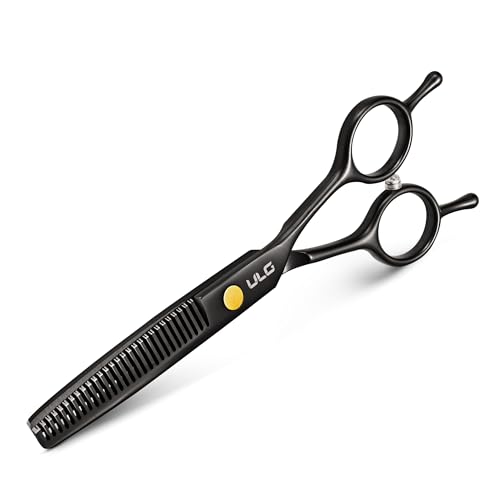
ULTRA SHARP BLADES: Made of 100% Japanese stainless steel, the ULG hair thinning shears feature ultra sharp and durable blades for smooth cutting, perfect for all hair types and quality. Sharp blades slice through each hair strand cleanly in a single motion, rather than crushing or fraying it. This prevents the hair shaft from tearing or splitting at the tip
What Is Fruit Thinning?
Fruit thinning is the process of selectively removing immature fruits from your peach tree. This encourages the remaining fruits to develop fully, leading to larger, tastier peaches. For instance, if you notice clusters of three or four fruits, it’s wise to leave just one or two. This selective approach allows the tree to allocate more nutrients to the remaining fruits.
Benefits of Thinning Fruit
Thinning fruit offers several key benefits:
- Improved Fruit Size: By reducing competition among fruits, remaining ones grow larger. Typical peach sizes increase by 30% to 50% with effective thinning.
- Enhanced Flavor: Thinned fruits often taste sweeter and juicier. Concentrated nutrients improve flavor profiles significantly.
- Disease Prevention: Thinner fruit allows better airflow through the branches, reducing moisture and helping prevent diseases like brown rot.
- Stronger Branches: Less fruit weight eases the burden on branches, decreasing the risk of breakage during heavy fruiting seasons.
- Consistent Harvest: Thinning promotes uniform ripening, meaning you enjoy a more predictable harvest period.
Regular thinning improves your peach tree’s health and overall production, leading to a richer harvest experience.
When to Thin Your Peach Tree
Thinning your peach tree at the right time is crucial for maximizing fruit quality and overall tree health. Understanding the timing can lead to better outcomes for your harvest.
Recommended Products
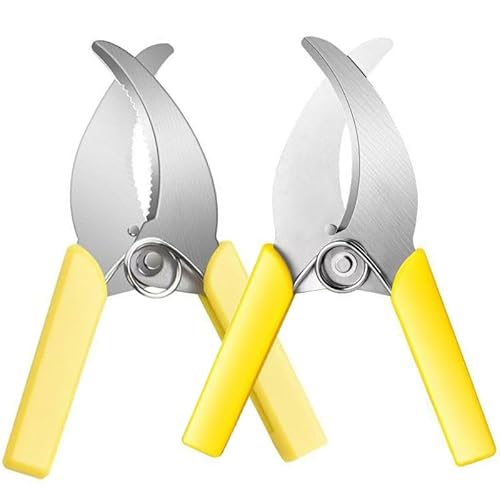
【 Design Features 】 Curved blade design: Using a crescent shaped blade with a radius of 7.5cm, it accurately matches the curvature of the tree trunk, avoiding damage to the wood. Spring assisted opening and closing system: Equipped with 304 stainless steel double torsion springs, the rebound speed can reach 0.3 seconds per operation with one hand.
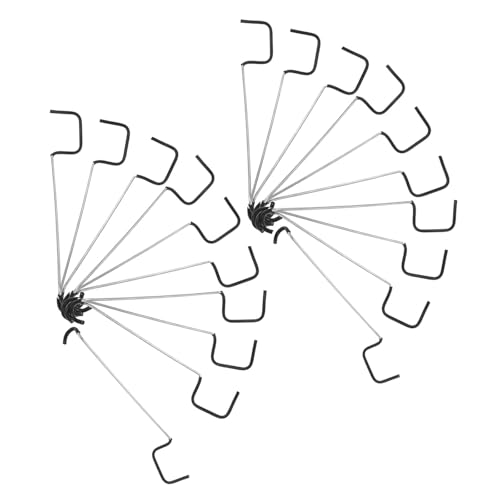
Easy singleperson use: designed for convenience, these branch pullers require no expertise one person can use the tree branch trainer to manage high or dense branches during both spring pruning and summer shaping,fruit tree branch press,fruit tree branch puller tying

Uniform elastic traction: our fruit tree branch trainer offers balanced tension, preventing the branch binding device from causing scarring or slippage, unlike traditional rope tying methods,orchard tools,fruit tree branch puller tying
Ideal Timing for Thinning
Thin your peach tree when the fruits reach about the size of a dime. This is typically between late spring and early summer, around June. At this stage, the tree can still spare a few fruits without stress. Thinning too early can lead to wasted effort if the tree drops some fruits on its own. Thinning too late risks harming the remaining fruits as they compete for nutrients and space. Aim for a window of two to three weeks for effective thinning.
Signs That Thinning Is Necessary
Look for several indicators that suggest thinning is required:
- Crowded branches: If you notice clusters of fruit closely packed together, it’s time to thin. Overcrowding can lead to smaller, less flavorful peaches.
- Small fruit size: If many peaches are significantly smaller than what you expect for their variety, thinning can improve the remaining fruit’s size.
- Poor air circulation: If airflow seems restricted among the branches, thinning can help reduce disease risk by promoting better air movement.
- Heavy branch load: If branches appear to be sagging under the weight of numerous fruits, thinning can alleviate stress and help prevent breakage.
By monitoring these signs, you can ensure your peach tree remains healthy and productive.
How to Thin the Fruit on Your Peach Tree
Thinning the fruit on your peach tree helps achieve larger, tastier peaches. Follow these steps to ensure effective thinning.
Recommended Products

Complete 30-Piece Branch Training Kit: Your kit includes 20 M-shaped branch pullers (10 each in 3.9 inch and 5.1 inch sizes) and 10 tree limb spreaders (5 each in 7.1 inch and 10 inch sizes). This comprehensive set provides multiple tools for precise branch bending and shaping at various growth stages

Reusable Hose-Protected Branch Training: These limb spreaders feature galvanized iron wire wrapped in a protective hose for gentle shaping that does not harm tree bark. The design allows for multiple seasons of use, making these tree branch spreaders a practical fruit tree training tool.

【Spiral Cutting Innovation】: The unique circular spiral blade design removes dense flower clusters smoothly without jamming or dragging. This precise thinning motion evenly distributes cuts across blooms and fruits, significantly boosting overall orchard yield
Recommended Techniques
- Assess the Tree: Check for overcrowded branches. Look for areas with clusters of small, immature fruit.
- Timing: Thin the fruit when they’re about the size of a dime, typically from late spring to early summer.
- Select Fruits to Keep: Choose the healthiest, largest fruits. Space them about 6 to 8 inches apart along the branches.
- Remove Excess Fruits: Gently twist or snip off the smaller or poorly placed fruits. Avoid pulling too hard, as this can damage the tree.
- Monitor Progress: Periodically check the tree after thinning. Adjust if necessary to maintain adequate space and healthy growth.
- Pruning Shears: Use sharp, clean pruners for precision cuts.
- Garden Gloves: Protect your hands while working around branches.
- Fruit Picker (Optional): For reaching higher branches safely, consider using a fruit picker.
- Bucket or Bag: Collect the removed fruits for easy disposal.
Utilizing these techniques and tools makes thinning a straightforward task, ensuring your peach tree thrives and produces high-quality peaches.
Potential Risks of Not Thinning
Not thinning your peach tree can lead to several challenges that affect both fruit quality and tree health.
Consequences of Overcrowded Fruit
Overcrowded fruit can cause the following issues:
- Small Size: Fruits competing for space often remain smaller. You might notice that peaches grow less than 2 inches in diameter instead of reaching a desirable size.
- Poor Flavor: When multiple fruits share energy, they dilute flavors. This can lead to peaches lacking the sweetness you expect.
- Uneven Ripening: Overcrowded branches may cause inconsistent ripening. Some fruits may ripen early while others remain unripe, complicating harvest time.
- Disease Vulnerability: Denser fruit clusters can restrict airflow. This creates an environment conducive to fungal infections and pests, increasing the need for treatments.
- Branch Breakage: Excess weight from overcrowded fruits puts stress on branches. This may lead to broken limbs, harming the structure of your tree and impacting future growth.
- Nutrient Competition: Each fruit competes with others for nutrients. This competition can hinder healthy growth, leading to stunted trees and poorer harvests over time.
Conclusion
Thinning the fruit on your peach tree is a simple yet effective way to boost your harvest. By removing excess fruits you’re not only enhancing the size and flavor of the remaining peaches but also promoting the overall health of your tree.
Remember to keep an eye on your tree’s growth and assess when it’s time to thin. The right timing can make all the difference in achieving that juicy, flavorful crop you’re aiming for.
So grab your pruners and get ready to give your peach tree the care it deserves. You’ll be rewarded with a bountiful harvest that’ll have everyone coming back for more. Happy gardening!
Frequently Asked Questions
What is fruit thinning for peach trees?
Fruit thinning is the process of selectively removing excess immature fruits from peach trees. This practice helps promote healthier growth and enhances the quality of the remaining fruits, leading to larger and more flavorful peaches.
Why is thinning important for peach trees?
Thinning is crucial as it improves fruit size, flavor, and overall tree health. It prevents overcrowding, which can lead to smaller fruits, increased disease risk, and branch breakage due to excess weight.
When should I thin my peach trees?
It’s best to thin peach trees when the fruits are about the size of a dime, typically during late spring to early summer. This timing helps ensure maximum benefits for fruit quality and tree health.
How do I thin peach tree fruits effectively?
Assess your tree for overcrowded branches, select the healthiest fruits to keep, and carefully remove excess ones. Use sharp pruners and garden gloves for safety, and consider a fruit picker for higher branches.
What are the signs that my peach tree needs thinning?
Look for crowded branches, small fruit size, poor air circulation, and heavy branch loads. If you notice these signs, it’s time to consider thinning to improve fruit quality and tree health.
What risks come from not thinning peach trees?
Failing to thin can lead to smaller, less flavorful fruits, uneven ripening, increased disease vulnerability, and branch breakage. Additionally, it can hinder the overall health of the tree and reduce future harvests.
