

Are you wondering when the best time is to prune your nectarine tree? Picture this: you’re in your backyard, admiring the lush foliage of your fruit trees, but unsure about the right moment to trim them. Understanding the ideal pruning schedule can make a significant difference in the health and productivity of your nectarine tree.
In this article, you’ll discover the simple yet crucial timing for pruning your nectarine tree. By learning when to trim, you’ll promote better growth, increase fruit production, and ensure a thriving tree in your garden. Stay tuned to uncover the secrets of proper nectarine tree care through effective pruning techniques.
Key Takeaways
- Pruning nectarine trees at the right time is essential for their health and fruit production.
- Benefits of pruning include enhanced fruit quality, disease prevention, tree longevity, optimal growth, and shape maintenance.
- Best time to prune nectarine trees is late winter to early spring, during the dormant season, or after harvesting the fruits.
- Avoid pruning nectarine trees in late fall to prevent damage from frost and promote tree’s ability to withstand winter conditions.
- Regular monitoring of nectarine trees is crucial for identifying pruning needs throughout the year.
- Proper pruning techniques involve timing, using the right tools, removing dead or diseased branches, maintaining an open canopy, considering tree height and shape, and proper clean-up after pruning.
Importance of Pruning Nectarine Trees
Pruning your nectarine tree at the right time is crucial for its overall health and fruit production. Proper pruning helps maintain the tree’s shape, improves air circulation, promotes sunlight exposure to the inner branches, and stimulates new growth.
By understanding the significance of pruning nectarine trees, you can ensure a bountiful harvest and a vibrant tree in your garden. Here’s why pruning is essential for your nectarine tree:
- Enhanced Fruit Quality: Pruning encourages the tree to focus its energy on a manageable number of fruits, leading to larger and sweeter nectarines. It helps in the development of robust branches capable of supporting the weight of the fruit.
- Disease Prevention: Regular pruning removes dead or diseased branches that may harbor pests and diseases. It also prevents overcrowding, allowing for better air circulation that reduces the risk of fungal infections.
- Tree Longevity: Proper pruning promotes tree longevity by eliminating weak or damaged branches that could compromise the overall structure. This practice encourages the growth of new, healthy branches, extending the tree’s lifespan.
- Optimal Growth: Pruning at the right time stimulates new growth and ensures that the tree maintains an open canopy structure. This allows sunlight to penetrate the tree, promoting photosynthesis and ensuring uniform fruit ripening.
- Shape Maintenance: Pruning helps shape the tree according to your preferences while preventing it from becoming overgrown or unmanageable. It allows you to control the size and shape of the tree for easier maintenance and harvesting.
Best Time to Prune Nectarine Trees
Pruning your nectarine trees at the right time is crucial for their overall health and productivity. By understanding the best time to prune, you can ensure optimal growth and fruit yield. Here’s a breakdown to guide you on when to prune your nectarine trees:
Recommended Products

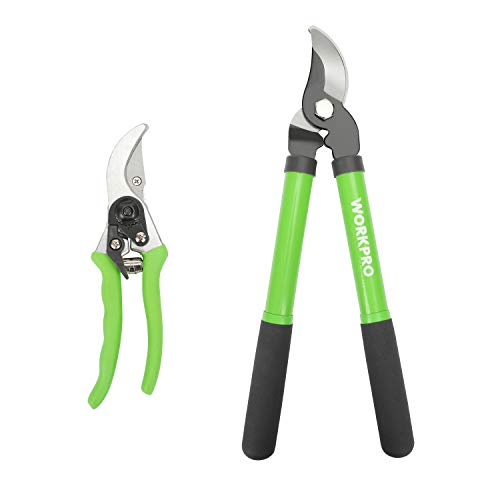
Ideal for pruning flowers and other garden plants

Complete Pruning Set: Includes both bypass and anvil pruners for versatility in pruning live and dead wood with ease
Late Winter to Early Spring
It’s best to prune your nectarine trees during late winter to early spring, ideally before new growth emerges. This period allows the tree to focus its energy on producing new shoots and fruits rather than healing from pruning wounds.
Dormant Season
During the dormant season, when the tree is not actively growing, is another suitable time for pruning nectarine trees. This period typically falls between late fall and early spring, depending on your specific climate and location.
After Harvest
After you’ve harvested the fruits for the season is also a good time to prune your nectarine trees. This timing allows you to shape the tree and remove any dead or diseased branches that may have become apparent during the growing season.
Avoid Late Fall
It’s advisable to avoid pruning nectarine trees in late fall since cutting the tree during this time may stimulate new growth that could be damaged by frost. Pruning too late in the season can also compromise the tree’s ability to withstand winter conditions.
Continuous Monitoring
While knowing the best times to prune is essential, it’s equally important to monitor your nectarine trees regularly. Check for signs of disease, dead branches, or structural issues throughout the year, and prune as needed to maintain the tree’s health and vitality.
Summary
Pruning your nectarine trees at the right time, such as late winter to early spring or during the dormant season, is crucial for their growth and productivity. By following these guidelines and avoiding late fall pruning, you can help your trees thrive and ensure a bountiful harvest. Remember to monitor your trees regularly for optimal results.
How to Properly Prune a Nectarine Tree
When pruning your nectarine tree, you want to ensure that you’re doing it correctly to promote its health and fruit production. Here are simple steps to guide you through the process:
Recommended Products

IDEAL BRANCH TRIMMER: Tree pruner that extends from 7.9 to 12 feet; Lightweight aluminum pole weighing less than five pounds to help minimize fatigue; Ideal for cutting high branches, or making low cuts without bending or kneeling

✂Multifunctional -2 in 1 Garden Grafting Tools-Professional grafting set allows you to pruning and grafting at the same time, saving more time and effort than traditional grafting methods, easy to use and more efficient. It allows you to trim away excess leaves and twigs and prepare the plants to be grafted. At the same time, you can make a precise cut into the grafting stock with the special grafting blade.

[Cut & Hold Pole Pruner for Tree Trimming] This long reach cut and hold pruner makes it easy to grip and remove branches, flowers, or fruit without dropping them. Perfect as a pole fruit picker for harvesting lemons, oranges, apples, or persimmons, and for trimming shrubs and bushes without climbing a ladder.
1. Timing is Key
Prune your nectarine tree during late winter to early spring or in the dormant season. Avoid pruning in late fall to prevent damage from frost. By timing your pruning correctly, you allow the tree to focus its energy on producing new shoots and fruits.
2. Tools You’ll Need
Ensure you have the right tools for pruning, such as sharp bypass pruners for clean cuts, loppers for thicker branches, and a pruning saw for larger limbs. Sharp tools make the job easier and help prevent damage to the tree.
3. Start with Removal of Dead or Diseased Branches
Begin by removing any dead, diseased, or damaged branches. This opens up the canopy, allowing better air circulation and sunlight penetration. Cut these branches back to the healthy wood or the parent branch.
4. Address Crossed Branches and Water Sprouts
Look for branches that are growing into the center of the tree or crossing each other. Remove any water sprouts (vigorous upright shoots) as they can divert energy from fruit production.
5. Maintain an Open Center
To help sunlight reach all parts of the tree, aim for an open center or vase shape when pruning. This structure allows for better fruit development and disease prevention.
6. Consider Tree Height and Shape
Prune to maintain the desired height and shape of your nectarine tree. Regularly check for proper spacing between branches to prevent overcrowding and promote healthy growth.
7. Final Touches and Clean-Up
After pruning, make sure to clean your tools with rubbing alcohol to prevent the spread of diseases. Dispose of the pruned branches properly and keep the area around the tree clean.
Signs That Indicate It’s Time to Prune
- Dormant Season: In late winter or early spring when your nectarine tree is dormant, it’s the ideal time to prune. During dormancy, the tree can focus its energy on new growth and fruit development, promoting overall vitality.
- Branch Appearance: Look for dead, damaged, or diseased branches on your nectarine tree. These branches should be removed promptly to prevent the spread of disease and allow the tree to allocate resources effectively.
- Crossed Branches: Crossing or rubbing branches can cause damage and hinder growth. If you notice any branches that are crossing or rubbing against each other, it’s a sign that pruning is necessary to maintain the tree’s structure and health.
- Water Sprouts: Water sprouts are vigorous, upright shoots that grow vertically from branches. These sprouts can divert energy from fruit production and may need to be pruned to encourage better fruiting.
- Overcrowding: If your nectarine tree has dense foliage or branches that are overcrowded, pruning can help improve air circulation and sunlight penetration. Thinning out excess growth allows for better fruit development and reduces the risk of fungal diseases.
- Shape and Size: Consider the overall shape and size of your nectarine tree. Pruning can help maintain the desired height, shape, and structure of the tree, making it easier to harvest fruit and manage tree health.
- Blossom or Fruit Set: Observing when your nectarine tree blooms or sets fruit can also guide pruning timing. After the harvest season or when blossoms fade, it’s a good time to prune to shape the tree for future growth and fruit production.
By paying attention to these signs and pruning your nectarine tree at the right time, you can promote its health, encourage fruit production, and ensure a bountiful harvest.
Recommended Products

Premium Material Construction: Crafted from premium carbon steel using exquisite techniques, these tools boast exceptional hardness, resilience to wear, and a robust construction, ensuring long-lasting performance
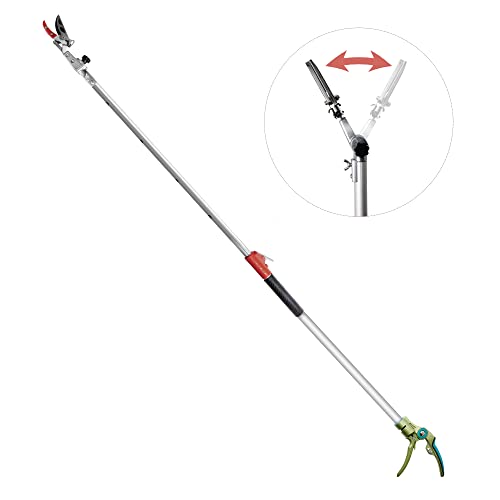
[Helpful Garden Tool] GARTOL brings to you a lightweight and extendable pruning tool to reach out to the least approachable arenas of your garden. You can conveniently get across other plants to remove the fastgrowing brambles and sting nettles without getting scratched or hurt. For gardening lovers, the telescopic pruner cutter head can can be rotated which resolves mobility issues and gives you the pleasure of trimming your garden without bending down or using a ladder to climb and cut them.

Conclusion
Pruning your nectarine tree during the late winter or early spring dormant season is crucial for its well-being and fruit yield. By following the recommended steps of removing dead branches, addressing crossed growth, and managing overcrowding, you can ensure your tree’s health and productivity. Observing blossom and fruit set times will further guide your pruning efforts. Remember, a well-pruned nectarine tree not only enhances fruit production but also promotes overall tree vitality. So, grab your pruning shears and get ready to give your nectarine tree the care it deserves for a bountiful harvest!
Frequently Asked Questions
When is the best time to prune nectarine trees?
Prune nectarine trees during the late winter or early spring dormant season to promote new growth and fruit development.
What are the key steps in pruning nectarine trees?
Key steps include removing dead or diseased branches, addressing crossed branches and water sprouts, managing overcrowding, and maintaining the tree’s shape and size.
How does pruning benefit nectarine trees?
Pruning improves air circulation, enhances vitality, boosts fruit production, and maintains overall tree health.
How can blossom and fruit set times guide pruning?
Observing blossom and fruit set times can help time pruning to maximize fruit production and tree health.
