

Wondering when to prune your fruit trees for the best harvest? You’re not alone. Many gardeners struggle with timing, unsure of when to snip those branches for optimal growth and fruit production.
Imagine standing in your backyard, looking at your trees, and feeling overwhelmed by the thought of pruning. It can be tricky to know if you’re doing it too early or too late. But don’t worry! This article will guide you through the best times to prune, helping you boost your trees’ health and fruit yield. With the right timing, you’ll be on your way to enjoying a bountiful harvest in no time.
Key Takeaways
- Optimal Timing for Pruning: Prune most fruit trees in late winter or early spring before new growth to enhance healing and growth.
- Specific Varietal Timing: Different fruit trees require unique pruning times; apples and pears in late winter and stone fruits after harvest in late summer.
- Pruning Techniques: Utilize proper techniques like thinning, heading, and cleaning to promote healthy structure and fruit production while avoiding over-pruning.
- Essential Tools: Invest in sharp pruning shears, loppers, pruning saws, gloves, and safety goggles for effective and safe pruning.
- Avoid Common Mistakes: Do not remove more than 25% of the tree’s canopy and be attentive to signs of tree health issues before proceeding with pruning.
Understanding Pruning
Pruning fruit trees enhances growth and fruit production. Understanding the methods and benefits of pruning is crucial for successful fruit cultivation.
Benefits of Pruning Fruit Trees
Pruning provides several advantages:
- Encourages Healthy Growth: Removing dead or diseased branches improves airflow and sunlight exposure.
- Increases Fruit Yield: Well-pruned trees produce more and higher-quality fruit by directing energy to productive branches.
- Shapes the Tree: Pruning helps maintain a desirable shape, allowing for easier harvest and better access to sunlight.
- Reduces Risk of Pests and Diseases: Thinning out branches decreases the chances of infestations and infections by improving air circulation.
- Extends Tree Life: Regular pruning maintains tree health, enhancing longevity in production.
Different Types of Pruning
Pruning can vary based on your goals and the tree’s growth stage:
- Thinning: This involves removing entire branches back to the main stem, which decreases density and promotes better growth.
- Heading: Cutting back a portion of a branch encourages bushier growth, helping the tree develop a stronger structure.
- Cleaning: Removing dead, damaged, or crossing branches improves overall health and appearance.
- Rejuvenation: For older trees, a hard prune can stimulate new growth and restore vigor.
Understanding these types helps you choose the right method for your specific trees, ensuring optimal results.
When to Prune Fruit Trees
Pruning fruit trees at the right time enhances growth and fruit production. Knowing when to prune can elevate your gardening success.
Recommended Products

· ULTRA-SHARP SK5 STAINLESS STEEL - Engineered with premium SK5 stainless steel, these heavy duty pruning shears deliver razor-sharp precision and maximum hardness. The rust-resistant blades are designed to stay sharp longer, effortlessly resisting corrosion and sap buildup for smooth, friction-free garden shears performance year after year.

CLEAN CUTS FOR LIVE GROWTH: Bypass blade design is ideal for pruning delicate flower stems and green growth, helping reduce crushing and plant damage while cutting stems and small branches up to 5/8” in diameter

DUAL CUTTING POWER: VERSATILE PRUNING COMBO --- With both Pruning Shears and Pruning Snip, this combo delivers unmatched versatility. Whether you're delicately trimming flowers and shrubs, tackling thicker tree branches, or tending to your vegetable and fruit garden, our combo pack excels in all areas. They're also perfect for landscaping projects and maintaining the health and appearance of indoor plants. With this pack, you have a versatile tool that simplifies your gardening tasks.
Seasonal Considerations
Pruning fruit trees relies heavily on the seasons. Most gardeners prune during late winter or early spring before new growth begins. This timing ensures the trees heal quickly as they enter their growing phase. Additionally, avoid pruning in late summer or fall, as this can stimulate new growth that won’t survive the winter chill.
Specific Timing for Different Fruit Varieties
Different fruit varieties require specific pruning times.
- Apple Trees: Prune in late winter while the tree is still dormant. This promotes healthy growth and maximizes fruit yield.
- Pear Trees: Like apples, pears benefit from late winter pruning.
- Stone Fruits (e.g., cherries, peaches): Prune in late summer after harvesting. This timing reduces the risk of disease and encourages robust growth for the following year.
- Citrus Trees: Prune in late winter as well. Focus on removing dead or weak branches to boost fruit quality.
By understanding the appropriate timing for each variety, you can ensure optimal health and productivity in your orchard.
Techniques for Pruning
Effective pruning requires the right tools and a solid understanding of best practices. The right techniques not only promote healthy growth but also improve fruit yield.
Tools Needed for Effective Pruning
Using the correct tools makes pruning more efficient and supports tree health. Essential tools include:
- Pruning Shears: Ideal for small branches, choose a pair with sharp blades for a clean cut.
- Loppers: Suitable for thicker branches, loppers provide extra leverage with longer handles.
- Pruning Saw: Use a pruning saw for large branches that are too thick for loppers.
- Gloves: Protect your hands with gloves that offer grip and dexterity.
- Safety Goggles: Wearing goggles protects your eyes from falling debris.
Ensure all tools are clean and sharp before beginning. Clean tools prevent the spread of diseases between trees.
Best Practices for Pruning
Following best practices enhances the effectiveness of your pruning efforts. Focus on these key steps:
- Assess the Tree’s Structure: Examine the tree to understand its growth habits. Identify dead or damaged branches that require removal.
- Prune in Dry Weather: Aim to prune during dry conditions to reduce disease risk. Wet conditions can promote fungal infections.
- Make Clean Cuts: Cut branches at a slight angle, just above a bud or a branch junction. This technique encourages quick healing.
- Remove Weak Branches: Eliminate any branches that grow inward or cross each other. This opens the center of the tree to sunlight and air circulation.
- Practice Thinning: Thin out crowded areas for better light penetration. This promotes healthy fruit development.
- Limit Pruning Percentage: Avoid removing more than 25% of the tree’s canopy in one season. Excessive pruning can stress the tree.
By following these techniques and using the right tools, you can ensure your fruit trees maintain healthy growth and produce abundant fruit.
Common Mistakes to Avoid
Avoiding common pitfalls ensures successful pruning and healthy fruit trees. These mistakes can lead to stunted growth and reduced yields, so it’s essential to recognize and address them.
Recommended Products
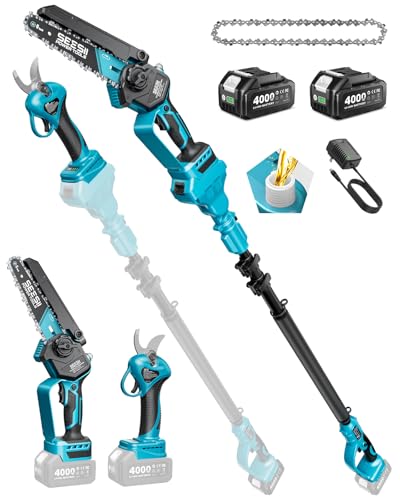
Ultimate 4-in-1 Pruning Solution: Experience the versatility of SEESII's electric pole saw and pruning shears combo. With a 6-inch pole saw designed for high branches and precision electric pruning shear for detailed work, you can seamlessly transition between tasks without changing tools. Whether you're maintaining your backyard or tackling a major landscaping project, this pole pruner system handles everything from delicate vines to thick overhead limbs

2-IN-1 Tree Pruner with Saw and Pruning Shears: This manual pole saw combines pruning shears for smaller branches and a durable tree saw for thicker limbs, allowing homeowners to handle different tree trimming tasks with one versatile tool.

【Multi-purpose Tree Pruner】The telescopic pole pruner has a shearing function and can be used for picking fruit and trimming high branches. The sharp blade of the fruit picking rod can easily cut branches up to 1/2 inch in diameter, and the included serrated saw blade uses double-sided cutting technology, making it easy to cut through thicker tree trunks. Its versatile design makes it an indispensable tool for gardening.
Over-Pruning Issues
Over-pruning can severely weaken your fruit trees. This practice removes too much foliage, which affects the tree’s ability to photosynthesize and produce energy. Aim to remove no more than 25% of the canopy in a single season. For instance, if your tree has ten primary branches, focus on thinning out two to three branches at most. Besides, over-pruning can lead to excessive new growth, which struggles during winter months.
Ignoring Tree Health Signs
Ignoring signs of poor tree health can lead to misguided pruning decisions. Watch for issues like yellowing leaves, stunted growth, or bark damage. These indicators suggest your tree may need more than just pruning. For example, discolored leaves may indicate nutrient deficiencies or pests. In such cases, consider applying fertilizers or treating for pests before pruning. Always prioritize addressing health issues to support the overall vitality of your fruit trees.
Conclusion
Pruning your fruit trees at the right time is key to achieving a bountiful harvest. By understanding the specific needs of each type of tree and using the right techniques, you can foster healthy growth and maximize fruit production. Remember to stay mindful of the timing—late winter or early spring is often best for most varieties.
With a little care and attention, your trees will thrive and reward you with delicious fruits for years to come. So grab your pruning shears and get ready to nurture your orchard into a fruitful paradise. Happy gardening!
Frequently Asked Questions
When is the best time to prune fruit trees?
Pruning fruit trees is best done in late winter or early spring before new growth starts. This timing allows for quicker healing and reduces the risk of damage during winter.
Can I prune my apple and pear trees in the summer?
No, apple and pear trees should be pruned in late winter. Summer pruning can encourage new growth that won’t survive winter, leading to potential damage.
What pruning methods should I know about?
Key pruning methods include thinning (removing branches), heading (cutting back to a bud), cleaning (removing dead branches), and rejuvenation (cutting back old trees) to promote healthy growth.
Why is pruning important for fruit trees?
Pruning encourages healthy growth, increases fruit yield, helps shape trees for easier harvesting, reduces pest and disease risks, and extends the life of the trees.
What tools do I need for effective pruning?
Essential tools include pruning shears for small branches, loppers for thicker ones, a pruning saw for larger limbs, gloves for safety, and goggles to protect your eyes.
What common mistakes should I avoid while pruning?
Avoid over-pruning, which can weaken trees by removing too much foliage. Aim to remove no more than 25% of the canopy in one season to maintain tree health.
How can I tell if my tree is unhealthy?
Signs of poor tree health include yellowing leaves, bark damage, or stunted growth. These symptoms may suggest the need for treatments beyond just pruning.
Should I prune citrus trees, and if so, when?
Yes, citrus trees benefit from pruning in late winter. Focus on removing dead or weak branches to improve the overall quality and yield of the fruit.
