

Growing plum trees in pots in Nevada requires specific desert irrigation strategies to ensure healthy growth. Proper watering techniques and soil management are essential for thriving plants in arid conditions.
Container Care for Dwarf Plum Trees
Plum trees can adapt well to container growth, provided they receive adequate care. In Nevada’s desert climate, the challenges include high temperatures and low humidity. Selecting the right variety is crucial for success. Consider dwarf plum trees as they are more manageable in pots and often bear fruit sooner.
Recommended Products

【Balanced pH Level】Our Money Tree Soil Mix is formulated to maintain a pH level that is neutral to slightly acidic, which is perfect for Money Trees to flourish

Hand Blended Money Tree Soil- Hand blended soil perfect for growing money tree plants, Great for repotting or planting money trees.

Miracle-Gro Moisture Control Potting Mix feeds plants for up to 6 months and Grows Plants Twice As Big! (vs unfed plants)
Optimal Pot Size for Plum Trees
Choosing the right pot size is crucial for the health and growth of plum trees in Nevada’s arid climate. An appropriately sized container ensures adequate root development and moisture retention, which are essential for thriving in the desert environment. Understanding the optimal pot size will help gardeners maximize their success with these fruit-bearing trees.
Selecting the appropriate pot is vital for plum tree health. A pot that is too small restricts root growth, while one that is too large can retain excessive moisture. Look for pots that are:
At least 18-24 inches in diameter
Made from breathable materials like terracotta
Equipped with drainage holes to prevent root rot
Ideal Soil Mix for Potted Plum Trees
Selecting the right soil mix is crucial for the health and productivity of potted plum trees in Nevada’s arid climate. The ideal blend not only supports root development but also ensures proper drainage and moisture retention, which are vital for thriving in desert conditions. Understanding these soil requirements can significantly enhance your chances of a successful harvest.
The soil used for planting plum trees in pots must support drainage and moisture retention. A well-balanced mix can help achieve this balance. Consider using:
50% potting soil
25% perlite for aeration
25% compost for nutrients
This combination ensures that the roots can access water without becoming waterlogged.
Desert Irrigation Strategies for Potted Plum Trees
Successfully growing potted plum trees in Nevada’s arid climate requires careful attention to irrigation strategies. With limited rainfall and high temperatures, understanding how to effectively manage water resources is crucial for promoting healthy growth and fruit production. This section explores practical techniques tailored to the unique challenges of desert gardening.
Effective irrigation is essential for maintaining moisture levels in the hot Nevada climate. Regular monitoring of soil moisture will help determine when to water. Implement these strategies:
Water deeply but infrequently to encourage deep root growth
Use a moisture meter to gauge soil dryness
Consider drip irrigation systems for consistent moisture delivery
Recommended Products

NO MORE HARD INSTALLATION - SET UP IN MINUTES. Tired of struggling with stiff barbed fittings? This drip irrigation system features quick-connect fittings that let you push, lock, and secure tubing effortlessly. No tools, no leaks, just a smooth setup experience. Enjoy a frustration-free installation and get your garden watering system running in minutes.
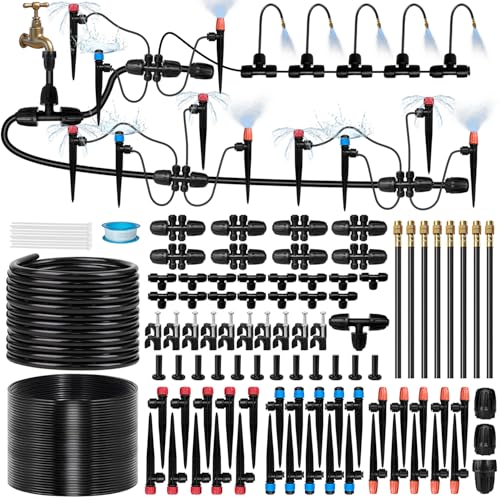
【Upgraded Tube Design & Water Saving】 Our garden watering system is upgraded to 1/2” diameter to support high water pressure. The 1/2” tee connector allows seamless splitting into 2 independent zones for customized watering schedules. By delivering moisture directly to root zones, this drip Irrigation system significantly reduces evaporation and runoff—saving more water compared to conventional sprinklers while eliminating the need for manual watering.

Complete 16-piece Drip irrigation kit eliminates watering by hand, simply turn on faucet to water all your plants at once
Irrigation Timing for Potted Plum Trees
Irrigation timing is crucial for the health of potted plum trees in Nevada’s arid climate. Understanding when and how much to water can significantly impact growth and fruit production. This section delves into effective strategies tailored to the unique challenges posed by desert conditions.
A tailored watering schedule can significantly impact plum tree health. During the growing season, follow this general guideline:
| Season | Frequency | Amount |
|---|---|---|
| Spring | Every 5-7 days | 1-2 gallons |
| Summer | Every 3-5 days | 2-3 gallons |
| Fall | Every 7-10 days | 1-2 gallons |
Adjust the frequency based on rainfall and temperature fluctuations.
Nutrient Management for Potted Plum Trees
Managing nutrients is crucial for the health and productivity of potted plum trees in Nevada’s desert climate. Given the unique challenges posed by limited water and soil conditions, understanding the specific nutrient needs and how to effectively deliver them can significantly enhance growth and fruit yield. This section explores essential strategies for nutrient management tailored to these conditions.
Fertilizing plum trees in pots ensures they receive essential nutrients. Use a balanced fertilizer designed for fruit trees. Apply it during the growing season as follows:
Early spring: Apply a slow-release fertilizer
Mid-summer: Use a liquid fertilizer to boost growth
Monitor tree health and adjust fertilizer types based on leaf color and growth patterns.
Recommended Products

CONTINUOUS RELEASE NUTRITION: Osmocote Smart-Release Plant Food Plus Outdoor & Indoor1 granular fertilizer contains 11 essential nutrients and feeds live plants up to 6 full months

Package contains 9 fruit and citrus fertilizer spikes and is produced to avoid wasteful runoff, mess, hazards and smells

Package contains 30 fertilizer spikes for palm trees, plants, and ferns and is produced to avoid wasteful runoff, mess, hazards and smells
Pest and Disease Issues for Potted Plums
Potted plum trees in Nevada face unique challenges from pests and diseases due to the arid climate. Understanding these issues is crucial for successful cultivation, as the right strategies can help mitigate risks and ensure healthy growth. This section explores common pests and diseases that affect potted plums and offers practical solutions for managing them effectively.
Plum trees in pots are susceptible to various pests and diseases. Regular inspection can help catch issues early. Common concerns include:
Aphids: Small insects that can be controlled with insecticidal soap
Brown rot: Fungal disease that can be mitigated by ensuring good air circulation
Maintain cleanliness around the pot and remove any fallen leaves or debris.
Seasonal Maintenance for Potted Plum Trees
Maintaining potted plum trees in Nevada’s desert climate requires careful attention throughout the seasons. Each phase of growth presents unique challenges, from extreme heat in summer to potential frost in winter. Understanding the specific needs of these trees during each season will ensure their health and productivity in a challenging environment.
Seasonal care is crucial for the longevity of plum trees in pots. Prepare for each season with specific tasks.
Winter: Protect pots from freezing temperatures by wrapping them or moving them to a sheltered location.
Spring: Prune dead or damaged branches to promote healthy growth.
Summer: Provide shade during extreme heat to prevent sunburn on leaves.
Successful Plum Tree Potting Techniques
Successfully potting plum trees in Nevada’s challenging desert climate requires careful attention to irrigation strategies and soil selection. This section explores effective techniques for ensuring your potted plum trees thrive despite the region’s arid conditions, providing practical insights for both novice and experienced gardeners. Discover how to maximize growth and fruit production while managing water resources efficiently.
Plum trees in pots can thrive in Nevada with the right strategies. Consistent monitoring of water, soil, and nutrients will lead to fruitful results.
Invest time in understanding your tree’s needs. Adjust care based on environmental changes.
