

Have you ever wondered when your fig tree will finally reward you with its sweet fruit? If you’ve planted one and are eagerly waiting for those delicious figs, you’re not alone. Fig trees can be a bit tricky, and their fruiting schedule can leave many gardeners scratching their heads.
Key Takeaways
- Understanding Fig Trees: Familiarize yourself with different types of fig trees, such as the Common Fig, Smyrna Fig, and Caprifig, as each has unique fruiting characteristics and requirements.
- Ideal Growing Conditions: Ensure your fig tree is planted in well-draining soil, receives at least 6-8 hours of sunlight daily, and is watered deeply but infrequently to promote healthy growth and fruit production.
- Fruiting Timeline: Fig trees typically start producing fruit 3-5 years after planting, influenced by variety, climate, and growing conditions.
- Harvesting Tips: Recognize ripe figs by their color, texture, size, and drooping stems. Harvest in the morning using clean tools to avoid damaging the tree or the fruit.
- Seasonal Variations: Be aware of seasonal changes that affect fruiting times, including regional climate differences and the flowering period, which begins in late spring.
- Monitoring Tree Health: Regularly check your fig tree for pests, diseases, and nutrient needs to ensure robust health and optimal fruit yield.
Understanding Fig Trees
Fig trees can bring a unique charm to your garden. You’ll find that understanding their characteristics enhances your fruit-growing experience.
Recommended Products

Made for Fiddle Leaf Fig Plants – Specially formulated fiddle leaf fig fertilizer designed for ficus trees and indoor plant care.
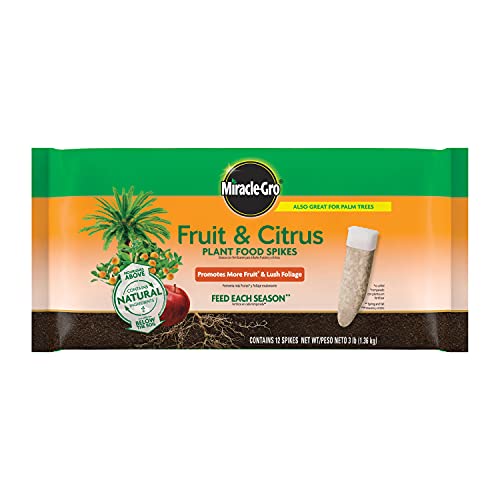
FORMULATED FOR CITRUS AND FRUIT TREES: Use these citrus fertilizer spikes on apple, orange, lemon, lime, and avocado trees; this formula is also great for feeding palm trees

FEED YOUR FICUS: Contains micronutrients for Fiddle Leaf Fig Trees. These indoor plants need nutrients, in addition to light and water to promote healthy growth and prevent brown spots on leaves
Types of Fig Trees
Several varieties of fig trees exist, each with unique qualities:
- Common Fig (Ficus carica): This popular type produces sweet fruit without needing another tree for pollination. Varieties include ‘Brown Turkey’ and ‘Celeste’.
- Smyrna Fig: This type requires pollination by the fig wasp. It’s less common in home gardens due to this dependency.
- Caprifig: Typically used for pollination purposes, caprifigs produce inedible fruit. They support the Smyrna fig’s lifecycle.
- Predominantly Hardy Varieties: Options like ‘Chicago Hardy’ and ‘Jersey Queen’ can withstand colder climates. These varieties thrive in USDA zones 5-10.
Ideal Growing Conditions
Fig trees flourish under specific conditions:
- Soil: Well-draining soil with a pH of 6.0 to 6.8 promotes optimal growth. Enriching with organic matter helps retain moisture.
- Sunlight: Full sunlight encourages growth and fruit production. Aim for at least 6-8 hours of direct sunlight daily.
- Watering: Watering deeply but infrequently is crucial. During dry spells, ensure the soil remains moist but not soggy.
- Temperature: Fig trees prefer warm climates. They thrive in temperatures above 70°F (21°C) and benefit from protection during frost.
By focusing on these types and conditions, you can optimize the chances of your fig tree producing delicious fruit.
Fig Tree Growth Stages
Fig trees undergo specific growth stages that conclude with stunning fruit production. Understanding these stages helps you nurture your tree effectively.
Planting and Early Care
Plant fig trees in spring after the last frost for optimal growth. Choose well-draining soil rich in organic matter. Dig a hole twice the width of the root ball and as deep as necessary to accommodate the roots. Place the tree in the hole, backfill with soil, and water thoroughly. Provide consistent moisture, but avoid waterlogged conditions. Fertilize lightly in early spring with a balanced fertilizer to support growth. Monitor for pests and diseases, acting quickly if issues arise.
Flowering Process
The flowering process of fig trees varies by type. Common figs produce fruit without flowers, while Smyrna figs require pollination from caprifigs to develop fruit. Flowering begins in late spring and can extend into summer. You’ll notice small green buds forming before they develop into figs. Proper care during this stage—adequate sunlight, water, and nutrients—ensures robust flowering and fruiting. If conditions are favorable, your fig tree will yield fruit by late summer to early fall, depending on the variety.
When Does a Fig Tree Fruit?
Fig trees typically fruit once they reach maturity, a process that may take anywhere from three to five years after planting. This timeline can vary based on the fig variety and growing conditions.
Factors Influencing Fruiting
Several factors impact when fig trees produce fruit.
- Variety: Different fig varieties, like Common Fig, Smyrna Fig, and Caprifig, have unique fruiting schedules. Common Figs often bear fruit early, while Smyrna Figs depend on pollination from Caprifigs.
- Climate: Warm climates with plenty of sunlight support better fruit production. Fig trees favor temperatures ranging from 75°F to 100°F during the day.
- Growing Conditions: Soil quality plays a role in fruiting. Well-draining, organic-rich soil promotes healthy tree development. Consistent moisture without waterlogging encourages fruit growth.
- Tree Health: Healthy trees produce more fruit. Regular monitoring for pests and diseases, along with proper fertilization, fosters overall health.
Seasonal Variations
Fruiting times can vary with the seasons.
- Flowering Period: Fig trees typically begin flowering in late spring. Common Figs can produce fruit without flowers, while Smyrna Figs need pollination to develop.
- Harvest Time: Depending on the variety, fig trees may yield fruit from late summer to early fall. Most gardeners can expect their first ripe figs around this time.
- Regional Differences: In warmer regions, like the southern U.S., fruiting may occur earlier compared to northern areas, where cooler temperatures extend the growing season.
Understanding these factors and seasonal variations helps you better anticipate when to enjoy the fruits of your labor.
Harvesting Figs
Harvesting figs involves recognizing the right time to pick them for optimal flavor and quality. Understanding the signs of ripeness and following best practices ensures you enjoy the sweetest harvest.
Signs of Ripeness
Check these signs to determine when figs are ripe:
- Color: Figs turn from green to a rich purple or yellowish hue, depending on the variety.
- Texture: Ripe figs feel soft to the touch. Gently squeeze them; they should yield slight pressure without being mushy.
- Size: Figs achieve their full size before ripening. They won’t grow much more once ripe.
- Stem Position: A drooping stem or one that bends easily indicates ripeness.
- Falling: Figs sometimes drop from the tree when ready to harvest. Look for fallen figs on the ground.
Best Practices for Picking
Follow these best practices for a successful fig harvest:
- Timing: Harvest in the morning when temperatures are cooler. This preserves freshness and flavor.
- Tools: Use clean, sharp pruning shears for a clean cut. This minimizes damage to the tree.
- Method: Hold the fruit gently while cutting to avoid bruising. Twist it slightly to remove it from the branch after cutting.
- Storage: Place freshly picked figs in a shallow container without piling them on top of each other. This prevents bruising and extends shelf life.
- Refrigeration: Store figs in the refrigerator for up to five days, but consume them sooner for the best taste.
By recognizing the signs of ripeness and using effective harvesting practices, you ensure a delightful fig-eating experience.
Conclusion
Growing a fig tree can be a rewarding journey filled with anticipation. By understanding the unique needs of your tree and providing the right care you can set yourself up for a fruitful harvest. Remember that patience is key as it may take a few years before you see those sweet figs.
Keep an eye on the signs of ripeness and enjoy the process of nurturing your tree. With the right attention and care you’ll soon be savoring the delicious fruits of your labor. Happy gardening and enjoy those figs when they finally arrive!
Frequently Asked Questions
How long does it take for a fig tree to produce fruit?
Fruit production typically takes three to five years after planting a fig tree. The exact timing can vary based on the type of fig and the growing conditions in your area.
What are the ideal growing conditions for fig trees?
Fig trees thrive in well-draining soil with organic content, plenty of sunlight (at least 6-8 hours a day), and moderate watering that avoids waterlogging. Maintaining suitable temperatures also helps optimize fruit production.
What are the different types of fig trees?
The main types of fig trees include Common Fig, Smyrna Fig, and Caprifig. Each type has unique characteristics and specific requirements for growth and fruiting.
When should fig trees be planted?
Fig trees should be planted in the spring, ideally after the last frost. This timing helps ensure successful establishment and growth in optimal conditions.
How can you tell when figs are ripe for harvesting?
Ripe figs show changes in color, are slightly soft to the touch, and may droop on their stems. Observing fallen figs is also a sign that harvesting may be imminent.
How should figs be stored after harvesting?
Figs can be stored in the refrigerator for up to five days. However, it is best to consume them sooner for optimal flavor and quality.
What kind of care do fig trees need during their early growth stages?
Early care includes consistent moisture without overwatering, light fertilization in spring, and pest monitoring. Establishing these practices promotes healthy growth and fruit production.
Why do some fig trees require pollination?
Smyrna figs need pollination from Caprifigs to produce fruit, whereas Common figs do not require this process. Understanding these needs helps gardeners choose the right variety for their orchard.
