

Have you ever wondered when you can expect those juicy lemons from your own tree in Arizona? If you’re thinking about planting a lemon tree or already have one, knowing when it bears fruit can make all the difference in your gardening experience.
In the warm Arizona climate, lemon trees can thrive and produce fruit, but timing is key. This article will guide you through the growth cycle of lemon trees, helping you understand when to expect those bright yellow fruits to appear. With the right knowledge, you can enjoy a bountiful harvest and savor the taste of fresh lemons right from your backyard.
Key Takeaways
- Fruit Bearing Timeline: Lemon trees in Arizona typically start bearing fruit 3 to 5 years after planting, with the first flowers appearing in spring and fruit development occurring in summer.
- Optimal Growing Conditions: For thriving lemon trees, ensure they receive at least 8 hours of full sun daily, are planted in well-drained soil, and are watered regularly to maintain moisture.
- Fertilization Strategy: Use a citrus-specific fertilizer three times a year to support healthy growth and fruit production, while monitoring for nutrient deficiencies.
- Pest Management: Regularly inspect your lemon trees for pests such as aphids and spider mites, enabling early treatment to protect your harvest.
- Harvesting Readiness: Eureka lemons can be harvested late summer to early fall, while Lisbon lemons mature slightly later. Look for bright yellow color and firm texture to determine ripeness.
- Seasonal Care Importance: Maintain consistent care throughout the growth cycle—especially during flowering and fruiting stages—to enhance fruit quality and ensure a successful harvest.
Overview Of Lemon Trees In Arizona
Lemon trees thrive in Arizona’s warm, dry climate, making them a popular choice among local gardeners. These trees, particularly the Eureka and Lisbon varieties, flourish with plenty of sunshine and minimal frost. Knowing the characteristics of lemon trees helps you understand what to expect during their growth cycle.
Lemon trees typically begin bearing fruit within three to five years after planting. If you nurture them with proper care, you’ll see flowers form in spring, which leads to fruit development in summer. The ripening process usually takes around six to nine months, depending on the variety and environmental conditions.
Planting and Care Tips
- Plant in Well-Drained Soil: Lemon trees dislike soggy roots. Choose a spot with sandy loam or clay soil that drains well.
- Provide Full Sun Exposure: Aim for at least eight hours of direct sunlight daily to encourage healthy growth and prolific fruiting.
- Water Regularly: Keep the soil moist but not soaked. Water deeply once a week, adjusting frequency based on rainfall and temperatures.
Fertilization Needs
- Use Citrus Fertilizer: Apply a balanced fertilizer formulated for citrus trees three times a year—once in early spring, once in summer, and once in late summer.
- Monitor Nutrient Levels: Yellowing leaves may indicate nutrient deficiencies. Regularly test the soil to maintain the right nutrient balance.
- Inspect Regularly: Check for common pests like aphids and spider mites. Early detection allows for effective treatment.
- Promote Healthy Growth: Healthy trees resist diseases better. Prune dead or infected branches to enhance air circulation.
With the right conditions and care, you can expect a bountiful lemon harvest, typically in late summer to early fall. Keep these tips in mind, and you’ll enjoy the delightful rewards of homegrown lemons.
Growth Stages Of Lemon Trees
Lemon trees undergo distinct growth stages that determine when they start bearing fruit. Understanding these stages helps you care for your tree effectively.
Recommended Products

Balanced Organic Nutrition – Supplies a 6‑3‑3 NPK ratio along with calcium, sulfur, iron, and zinc to foster healthy foliage, flowering, and fruit.

Made for Lemon & Citrus Trees – Formulated to support healthy growth in lemon and citrus plants.

FOR USE ON: Use Citrus-tone organic fertilizer for all citrus trees, including lemon, lime, orange, Meyer Lemon Trees as well as for avocado & nut trees
Seed Germination
Seeds require specific conditions to germinate. Ensure you plant them in well-drained soil with good moisture. Germination typically occurs within two to three weeks.
- Collect seeds from ripe lemons.
- Clean and dry the seeds.
- Plant them about an inch deep.
- Maintain a warm environment, ideally around 70°F.
- Water lightly to keep the soil moist but not soggy.
Young Plant Development
Once germination occurs, young lemon plants need nurturing to thrive. This stage lasts from three months to a year.
- Provide full sun exposure for at least six hours daily.
- Water regularly, allowing the top inch of soil to dry out between sessions.
- Fertilize every six to eight weeks with a balanced citrus fertilizer.
- Monitor for pests and diseases, treating them promptly.
- Repot into a larger container as the plant grows.
With proper care during these stages, your lemon tree sets the foundation for healthy growth and future fruit production.
Fruit Bearing Cycle
Lemon trees in Arizona follow a specific fruit-bearing cycle, influenced by the local climate and care practices. Understanding this cycle helps you maximize your harvest.
Recommended Products
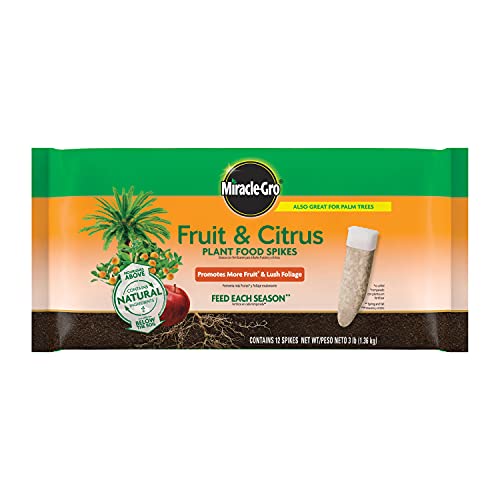
FORMULATED FOR CITRUS AND FRUIT TREES: Use these citrus fertilizer spikes on apple, orange, lemon, lime, and avocado trees; this formula is also great for feeding palm trees

Package contains 4 Pounds organic fruit and citrus fertilizer grains and is produced to avoid wasteful runoff, mess, hazards and smells

Made for Lemon & Citrus Trees – Formulated to support healthy growth in lemon trees and citrus plants
Initial Flowering
Lemon trees usually produce their first flowers in spring. These small white blossoms arise after the tree has established itself for a few years. In Arizona, you can expect initial flowering between February and April. For optimal results, ensure your lemon trees benefit from full sun and consistent watering. Healthy plants produce more flowers, leading to a better fruit yield.
Fruit Maturity
Once flowers pollinate, the fruit starts developing. This stage occurs predominantly in summer. Depending on the lemon variety, fruit maturation takes six to nine months. For instance, Eureka lemons may be ready for harvest by late summer to early fall, while Lisbon lemons can mature slightly later. To check for maturity, look for a bright yellow color and a firm texture. Harvesting at the right time ensures the best flavor and juiciness. Proper care throughout this cycle boosts fruit quality and quantity, allowing you to enjoy homegrown lemons.
Factors Influencing Fruit Production
Understanding the factors that influence fruit production in lemon trees helps ensure a successful harvest. Your attention to climate, soil quality, and watering practices directly impacts the quantity and quality of lemons you can expect.
Recommended Products

Let our professionally formulated plant food help your citrus tree grow healthy, strong AND abundantly producing

🍋 EXPLOSIVE HARVEST: GardenWise ignites a remarkable yield boost. Its scientific blend, featuring 6% nitrogen for growth, 4% phosphorus for flowering, and 6% potassium for fruit quality, culminates in an abundance of flavorful, aromatic fruits. This is more than growth; it's a nutrient-powered revolution in your citrus yield.

🍋 EXPLOSIVE HARVEST: GardenWise ignites a remarkable yield boost. Its scientific blend, featuring 6% nitrogen for growth, 4% phosphorus for flowering, and 6% potassium for fruit quality, culminates in an abundance of flavorful, aromatic fruits. This is more than growth; it's a nutrient-powered revolution in your citrus yield.
Climate Conditions
Arizona’s warm climate is beneficial for lemon trees. Full sun exposure for at least eight hours a day promotes flowering and fruit set. Nights should remain mild, as cooler temperatures can hinder fruit development. Unique climate features, such as low humidity, assist in reducing disease risks. If you’re in areas with extreme heat, providing some afternoon shade can protect the trees during peak temperatures.
Soil Quality
Soil quality is crucial for lemon trees. Use well-drained soil with a pH level between 5.5 and 6.5 for optimal growth. Sandy loam blends typically provide excellent drainage and aeration. You can enhance soil fertility by mixing in organic matter, like compost, before planting. Regular soil testing helps monitor nutrient levels, allowing adjustments when necessary, such as adding sulfur for pH correction or applying fertilizers high in potassium during the growing season.
Watering Practices
Watering practices significantly impact fruit production. Lemon trees require consistent moisture, especially during dry spells. Irrigate deeply but infrequently to encourage root growth. A general guideline is to water once a week, allowing the top 2-3 inches of soil to dry out between sessions. Mulching around the base retains moisture and suppresses weeds. During blooming and fruiting stages, increase watering frequency; however, avoid waterlogging, which can lead to root rot.
Expected Harvest Times
Lemon trees in Arizona begin producing fruit between three and five years after planting. The timing often depends on the variety and environmental factors.
Flowering Period
Flowers on lemon trees typically appear in the spring, between February and April. Healthy trees, receiving full sun and regular watering, generate more flowers. This increase in flowers enhances potential fruit yields later in the season.
Fruit Development
After pollination, fruit develops during the summer months, generally from June to August. The ripening stage can vary, taking six to nine months to reach maturity.
Variety-Specific Timing
- Eureka Lemons: These lemons may be ready for harvest by late summer to early fall, usually around August to October.
- Lisbon Lemons: Lisbon lemons mature slightly later, typically in the fall, from September to November.
Harvest Indicators
Look for color and texture for harvesting readiness. Bright yellow color and firm texture indicate that the lemons are ripe. Picking at this stage ensures rich flavor and juiciness.
Seasonal Harvesting
Maintaining proper care during flowering and fruiting stages promotes synchronized harvest times. Consistent watering and nutrient management throughout the growth cycle support optimal fruit quality.
By understanding these expected harvest times, you can plan your lemon tree care effectively, leading to a rewarding harvesting experience.
Conclusion
Growing lemon trees in Arizona can be a truly rewarding experience. With the right care and attention you’ll not only enjoy the beauty of the trees but also the delicious fruits they produce. Remember that patience is key as it usually takes a few years before you see those first lemons.
By understanding the growth cycle and maintaining proper watering and fertilization practices you can maximize your harvest. Keep an eye on the color and texture of your lemons to know when they’re ready to pick. With a little effort you’ll soon be savoring the taste of your homegrown lemons in your favorite recipes. Happy gardening!
Frequently Asked Questions
When do lemon trees start producing fruit in Arizona?
Lemon trees typically begin bearing fruit within three to five years after planting. In Arizona, flowering occurs in spring, while fruit develops during the summer, with ripening taking around six to nine months, depending on the variety.
What are the best lemon tree varieties for Arizona?
The Eureka and Lisbon varieties thrive in Arizona’s warm climate due to ample sunlight and minimal frost. These varieties are known for their resilience and produce high-quality lemons.
How should I care for my lemon tree?
To care for your lemon tree, ensure it has well-drained soil, full sun exposure for at least eight hours daily, regular watering, and fertilization with citrus fertilizer three times a year to encourage healthy growth.
What factors influence lemon tree fruit production?
Key factors include the climate, soil quality, and watering practices. Arizona’s warm weather, well-drained soil with a pH of 5.5 to 6.5, and consistent watering are essential for optimal flowering and fruit set.
When is the best time to harvest lemons?
Eureka lemons are ready for harvest from late summer to early fall (August to October), while Lisbon lemons mature slightly later, from September to November. Look for a bright yellow color and firm texture to indicate ripeness.
