

Have you ever wondered when your fig tree will finally reward you with those sweet, juicy fruits? If you’re planting a fig tree or just curious about the fruiting process, you’re not alone. Fig trees are a popular choice for many gardeners, but understanding their fruiting timeline can be a bit tricky.
Key Takeaways
- Fruiting Timeline: Most fig trees start producing fruit within 1 to 3 years, with the Common Fig typically fruiting in 1 to 2 years, while Smyrna Figs may take up to 5 years due to pollination needs.
- Growth Stages: Understanding the distinct stages of fig tree development—planting, establishment, vegetative growth, flowering, and fruiting—is essential for anticipating fruit production.
- Varietal Differences: Different fig varieties thrive in unique climates and exhibit varied fruiting behaviors; knowing the specific type of fig tree you have can help set realistic expectations.
- Environmental Factors: Fig trees flourish in warm, temperate climates with adequate sunlight; ideal growing temperatures range from 70°F to 85°F. Cooler temperatures can delay flowering and fruiting.
- Care and Maintenance: Regular watering, appropriate fertilization, and pruning significantly enhance fruiting potential. Aim for consistent care to ensure a bountiful harvest.
- Common Challenges: Pests, diseases, and nutrient deficiencies can adversely affect fig production. Monitoring for issues and providing adequate nutrition supports healthier trees and better yields.
Understanding Fig Trees
Fig trees are unique fruit-bearing plants that capture the interest of gardeners everywhere. Knowing their characteristics and growth stages helps you understand when to expect fruit production.
Types of Fig Trees
Several types of fig trees thrive in different climates, each featuring distinct qualities. Common types include:
- Common Fig (Ficus carica): This is the most popular variety, ideal for temperate regions. It bears sweet fruits, typically ripening in late summer to early fall.
- Smyrna Fig: Requires pollination from a specific wasp to produce fruit. Its fruits are larger and sweeter but are less commonly grown due to pollination challenges.
- Caprifig: This male fig tree plays a vital role in the pollination of Smyrna figs. It doesn’t produce edible fruit but supports the life cycle of the pollinator.
- Adriatic Fig: Known for its greenish skin and sweet, rich flavor, this type thrives in warmer climates and can bear fruit twice a year.
Understanding the type of fig tree you have informs the expected fruiting timeline and necessary care.
Growth Stages of Fig Trees
Fig trees progress through distinct growth stages that impact fruiting. These stages include:
- Planting: Start with a healthy young tree in well-drained soil. This initial step sets the foundation for future growth.
- Establishment: During the first year, focus on watering and fertilizing. You might not see fruit in this stage as the tree develops its root system.
- Vegetative Growth: In the second year, the tree grows vigorously, increasing leaf production. Expect to see potential fruit buds forming during this period.
- Flowering: Figs undergo an unusual flowering process occurring inside the fruit itself. This stage usually occurs in late spring to early summer.
- Fruiting: After flowering, fruit development takes place. Depending on the variety, figs may ripen in late summer or early fall.
Each stage plays a crucial role in determining when your fig tree starts to produce fruit. Patience and proper care throughout these stages ensure a fruitful harvest.
Factors Influencing Fruiting
Fruiting in fig trees depends on several key factors. Understanding these can help you optimize your tree’s potential for a bountiful harvest.
Recommended Products

Supports Strong Growth & Fruit Development - Helps promote vigorous branches, healthy foliage, and improved fig production.

Made for Fiddle Leaf Fig Plants – Specially formulated fiddle leaf fig fertilizer designed for ficus trees and indoor plant care.

Let our professionally formulated plant food help your fruit tree grow healthy, strong AND abundantly producing
Variety of Fig Tree
Different fig tree varieties produce fruit at varying rates. For instance, Common Figs typically fruit within 1 to 2 years after planting. Smyrna Figs, on the other hand, may take up to 5 years due to their dependence on pollination. Knowing your fig tree type helps set realistic expectations for fruit production.
Climate and Environment
Climate and environmental conditions significantly impact the fruiting process. Fig trees thrive in warm, temperate regions. Ideal temperatures range from 70°F to 85°F during the growing season. Cold temperatures can delay flowering and fruiting. Additionally, full sun exposure for at least 6 hours daily boosts fruiting potential. If you live in a cooler climate, consider planting figs in a protected area or choosing a more cold-hardy variety.
Care and Maintenance
Proper care and maintenance enhance fruiting in fig trees. Ensure regular watering, especially during dry spells. Fig trees need about 1 inch of water weekly. Fertilize with a balanced fertilizer in spring to promote healthy growth. Pruning also plays a vital role; it encourages air circulation and sunlight penetration, leading to better fruit production. Trimming dead or overcrowded branches stimulates new growth, which can bear fruit the following season.
When Do Fig Trees Start Fruiting?
Fig trees typically start fruiting within a few years after planting, depending on the variety. Understanding their growth patterns helps anticipate when you can enjoy fresh figs.
Typical Fruiting Age
Most Common Fig varieties begin producing fruit within 1 to 2 years after planting. Conversely, Smyrna Figs may take up to 5 years due to their specific pollination needs. Caprifigs, while not consumed, contribute to the pollination of Smyrna Figs. Expect Adriatic Figs to yield fruit approximately 2 to 3 years after planting.
Seasonal Fruiting Patterns
Fruiting usually occurs in summer, often from June to September. However, this can vary based on climate and individual tree conditions. In warmer regions, you might see earlier fruiting, while cooler areas may delay harvest until September or October. The tree’s care—such as watering and fertilization—also impacts the timing and quantity of fruit produced.
Common Issues Affecting Fruiting
Fruiting in fig trees can be influenced by several factors. Addressing these issues ensures a better yield each season.
Recommended Products
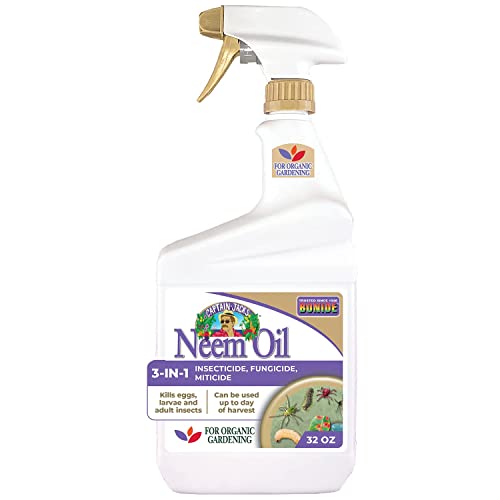
Protect your oasis with 3 garden products in 1 from Captain Jack’s; Bonide Captain Jack’s Ready-to-Use Neem Oil spray for plants is a multi-purpose fungicide, insecticide and miticide for your lawn & garden

FUNGAL DISEASE CONTROL: Prevents and controls black spot on roses, powdery mildew, rust, downy mildew, and other listed fungal diseases when applied on a 7–14 day schedule

Protect your oasis with Captain Jack’s Neem Max Concentrate; this multipurpose product acts as a 4-in-1 insecticide, fungicide, miticide and nematicide
Pests and Diseases
Pests and diseases pose significant risks to fig trees. Common pests include:
- Fig Beetles: These insects feed on ripe figs. Inspect your trees regularly and use organic pesticides like neem oil to manage infestations.
- Spider Mites: These tiny pests thrive in dry conditions. Increase humidity around your trees or apply insecticidal soap for control.
- Fungal Infections: Leaf blight and root rot are common diseases that can inhibit fruiting. Ensure proper drainage and avoid overhead watering to prevent moisture buildup on leaves.
Monitoring your trees closely helps identify problems early, allowing for prompt treatment and healthier fruit production.
Nutrient Deficiencies
Nutrient deficiencies affect the health and fruiting capability of fig trees. Key nutrients include:
- Nitrogen: Essential for leafy growth. A lack of nitrogen can lead to poor fruit development. Use a balanced fertilizer in early spring to promote growth.
- Potassium: Important for fruit quality and flavor. If your figs taste bland or drop prematurely, consider a potassium-rich fertilizer.
- Calcium: Crucial for preventing blossom end rot. Ensure your trees receive adequate calcium by adding lime to the soil if necessary.
Testing your soil regularly can pinpoint deficiencies, allowing you to apply the right fertilizers for vibrant growth and enhanced fruiting.
Keep an eye on both pests and nutrients to support your fig trees’ health and productivity.
Conclusion
Growing fig trees can be a rewarding experience filled with anticipation. By understanding their unique requirements and growth stages you can set yourself up for success. Remember that patience is key as different varieties have different timelines for fruiting.
With proper care including watering fertilizing and managing pests you’ll be on your way to enjoying those delicious figs. Whether you’re planting a Common Fig or a Smyrna Fig keep an eye on the climate and your tree’s health. In time you’ll be able to savor the fruits of your labor. Happy gardening!
Frequently Asked Questions
When do fig trees start to produce fruit?
Fig trees typically start producing fruit within 1 to 2 years for Common Figs. However, varieties like Smyrna Figs can take up to 5 years due to their dependency on pollination. Adriatic Figs usually yield fruit about 2 to 3 years after planting.
What factors affect fig tree fruiting?
Fruiting in fig trees is influenced by several factors including the variety of fig, climate, environmental conditions, and the care provided. These trees thrive in warm, temperate regions with full sun exposure. Proper watering, fertilization, and pruning also significantly impact fruit production.
What are the different types of fig trees?
The main types of fig trees are Common Fig, Smyrna Fig, Caprifig, and Adriatic Fig. Each type has distinct characteristics and grows best in different climates. Understanding these variations helps in selecting the right tree for your garden.
How can I improve fruit production in fig trees?
To enhance fruit production in fig trees, provide proper care such as regular watering, balanced fertilization, and appropriate pruning. Ensure the tree receives adequate sunlight and monitor for pests and nutrient deficiencies to support healthy growth.
What are common pests and diseases that affect fig trees?
Common pests include fig beetles and spider mites, which can hinder fruiting. Fungal infections are also a concern. Management strategies include using organic pesticides and ensuring proper drainage to maintain tree health.
How does climate influence fig tree growth?
Fig trees thrive in warm, temperate climates and require full sun exposure for optimal fruiting. Climate influences their growth stages, flowering, and eventual fruiting, typically occurring in summer, from June to September.
What nutrients do fig trees need for healthy growth?
Fig trees need essential nutrients like nitrogen, potassium, and calcium for healthy growth and fruiting. It’s recommended to use balanced fertilizers and conduct soil tests to identify any deficiencies that could impact their productivity.
