

Have you ever wondered when you can expect to enjoy fresh figs from your own tree in Israel? Fig trees are a delightful addition to any garden, but knowing when they bear fruit can be tricky.
Key Takeaways
- Fig trees in Israel typically produce fruit from late spring to early summer, with harvest occurring from June through September.
- Two main crops are identified: the breba crop (late June) and the main crop (August to September), each originating from specific growth wood.
- Optimal fig production relies on consistent watering, regular pruning, and adequate sunlight, with well-drained soil being essential for healthy growth.
- Understanding varietal differences is crucial; San Pedro figs produce breba figs without pollination, while Smyrna figs require specific pollination for fruit development.
- Harvesting should be done at the right times, ensuring figs are ripe based on color, texture, and ease of detachment.
- Proper post-harvest care, including refrigeration and preservation methods, can extend the freshness and enjoyment of your figs.
Overview of Fig Trees in Israel
Fig trees thrive in Israel’s warm, Mediterranean climate, making them a popular choice for gardens. You can find both common types of fig trees: the Smyrna and the San Pedro. Each type produces fruit at different times and in varying quantities.
Growing Seasons
Fig trees usually begin fruit production from late spring to early summer. You can expect to harvest ripe figs typically from June through September. Early varieties bear fruit first, while late varieties extend the harvest into autumn.
Fruit Production
Figs develop on the previous year’s wood. You’ll notice two main crops: the breba crop, which grows on last year’s growth, and the main crop, which emerges on new wood. Breba figs typically appear around late June, while the main crop signifies peak harvest time from August to September.
Care Tips
To maximize fruit yield, ensure optimal care:
- Watering: Fig trees need consistent moisture, especially during dry spells.
- Pruning: Regular pruning promotes healthy growth and better fruit production.
- Sunlight: Position your tree in a sunny spot, as figs thrive under full sun exposure.
Common Questions
You might wonder why a fig tree doesn’t produce fruit. Factors include inadequate sunlight, improper watering, or lack of pruning. Addressing these issues can set you on the right track toward enjoying fresh figs from your garden.
Growing Conditions for Fig Trees
Fig trees thrive in specific conditions that enhance their fruit production. Understanding these factors helps ensure a healthy and productive tree.
Recommended Products

KNOW BEFORE YOU GROW | Grow the healthiest, sustainable lawn and garden with the most accurate and easy to use professional soil test kit on the market

Kindly NOTE: This soil tester can not be applied to test pH value of any other liquid. If the soil is too dry the indicator will not move, and water it before testing.

Accurate Soil pH Testing: Dewildetradingco Soil pH Test Strips offer measurements of soil pH levels (pH 3.5-9). As an essential tool for every gardener and grower, these test strips help determine the optimal pH for various plants, such as outdoor plants, indoor plants, gardens, grass lawns, fruit trees, flowers, vegetables, and forest shrubs.
Climate and Temperature
Fig trees prefer a warm, Mediterranean climate. Temperatures between 75°F and 100°F (24°C to 38°C) support optimal growth. Excessive cold can damage fig trees, particularly during fruit development. Protect young trees from frost, especially in early spring. A sunny location with full sun exposure for at least six hours daily promotes vigorous growth and abundant fruit.
Soil Requirements
Well-drained soil is essential for fig trees. Sandy loam is ideal, but they can adapt to various soil types, as long as drainage is adequate. Soil pH should range from 6.0 to 6.8 for optimal growth. Poor drainage can lead to root rot and hinder fruit production. Incorporate organic matter, like compost, to enhance soil fertility and structure. Regular soil testing ensures your fig tree receives necessary nutrients.
Fruit Production Timeline
Fig trees in Israel showcase two primary harvest periods throughout the growing season. Understanding this timeline helps you plan for fresh fig harvests.
Early Season Varieties
Early season varieties, such as the San Pedro, produce breba figs. These figs emerge on last year’s growth and typically mature from late June to early July. San Pedro figs offer a sweet taste and pleasant texture. Planting this variety allows for an early harvest, giving you ripe figs for summer gatherings.
Late Season Varieties
Late season varieties, like the Smyrna, produce main crop figs. This crop appears on new wood and is usually ready for harvest from August to September. Smyrna figs require pollination through a specific wasp to develop, making them unique among fig trees. Enjoy these gems for their rich flavor and versatility in culinary dishes.
By recognizing the differences between early and late season varieties, you can optimize the harvest and enjoy figs from your garden over an extended period.
Factors Influencing Fruit Production
Understanding factors influencing fig tree fruit production helps you enjoy a better harvest. The key elements include pollination, varietal differences, watering, and fertilization practices.
Recommended Products

Supports Strong Growth & Fruit Development - Helps promote vigorous branches, healthy foliage, and improved fig production.

Made for Fiddle Leaf Fig Plants – Specially formulated fiddle leaf fig fertilizer designed for ficus trees and indoor plant care.

ARE YOU STARVING YOUR FIDDLE LEAF FIG? Fiddle leaf fig plants require precise nutrients to thrive, promoting their growth, vitality, and robust root systems. Our exclusive Fiddle Leaf Fig Plant Food offers a tailored plant food solution, ensuring optimal nourishment for your beloved plant. Say goodbye to alternatives and provide your fiddle leaf fig with the care it truly deserves.
Pollination and Varietal Differences
Pollination plays a critical role in fig tree fruit production. Some fig varieties, like Smyrna, require pollination by specific fig wasps to bear fruit. If you plant these varieties, ensure the wasp population is present in your area. San Pedro figs, however, produce breba figs without pollination. Knowing which variety you have helps determine if you’ll need to assist with pollination.
Both early- and late-season varieties affect harvest timing. Breba figs mature first, typically between late June and early July, while main crop figs follow from August to September. This understanding aids in planning for optimal harvests.
Watering and Fertilization Practices
Consistent watering and appropriate fertilization significantly influence fig production. Water fig trees deeply and regularly, especially during dry spells. Aim for about one inch of water weekly, adjusting based on rainfall. Overwatering can cause root rot, so ensure good drainage.
Fertilizing figs is crucial for healthy growth and fruiting. Use a balanced fertilizer in early spring, following package instructions. Incorporate organic matter, like compost, into the soil to improve fertility. Regular soil testing can help identify nutrient deficiencies, allowing you to make necessary adjustments.
Harvesting Fig Trees in Israel
Harvesting figs in Israel aligns with the unique growing conditions and types of fig trees. Understanding the timing and methods for collecting these fruits helps you enjoy a bountiful harvest.
Recommended Products

GARDENING ESSENTIAL: With these stainless steel blade gardening shears, pruning tasks like cutting flower stems or maintaining your herb garden are easier with fast and clean cuts
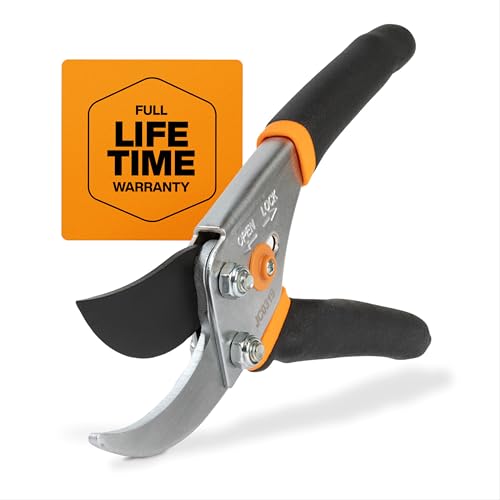
CLEAN CUTS FOR LIVE GROWTH: Bypass blade design is ideal for pruning delicate flower stems and green growth, helping reduce crushing and plant damage while cutting stems and small branches up to 5/8” in diameter

DUAL CUTTING POWER: VERSATILE PRUNING COMBO --- With both Pruning Shears and Pruning Snip, this combo delivers unmatched versatility. Whether you're delicately trimming flowers and shrubs, tackling thicker tree branches, or tending to your vegetable and fruit garden, our combo pack excels in all areas. They're also perfect for landscaping projects and maintaining the health and appearance of indoor plants. With this pack, you have a versatile tool that simplifies your gardening tasks.
Timing for Harvesting
Harvesting typically occurs in two main periods:
- Breba Figs: These figs ripen first. Expect to harvest them from late June to early July. Breba figs come from the previous year’s wood and provide an early treat.
- Main Crop Figs: These figs follow, with peak harvest from August to September. Main crop figs mature on new growth, where pollination, particularly for Smyrna figs, plays a crucial role.
Signs of Ripe Figs
Knowing when figs are ripe ensures maximum sweetness:
- Color: Look for figs that have shifted to their desired color, which varies by variety. For instance, black figs deepen to dark purple.
- Texture: Gently squeeze the figs. Ripe figs yield slightly to pressure but shouldn’t feel overly soft.
- Ease of Picking: Ripe figs detach easily from the branch when lifted. If you need to tug, they might not be ready.
Harvesting Techniques
Use proper techniques to minimize damage to both the fruit and the tree:
- Tools: Use clean, sharp scissors or pruning shears to cut figs, preventing bruising.
- Handling: Place figs gently in baskets. Avoid stacking to prevent squishing, especially when handling delicate varieties.
- Timing: Harvest in the morning, when temperatures are cooler. This practice helps maintain the freshness and flavor of the figs.
Post-Harvest Care
After harvesting, proper care of your figs enhances their longevity and flavor:
- Storage: Store figs in a refrigerator for optimal freshness. Use breathable containers, like paper bags, to prolong shelf life.
- Preservation: Consider drying or making jams for figs that surpass immediate consumption. This method captures their sweetness for later enjoyment.
- Why are some figs dropping prematurely?: Poor watering or nutrient deficiencies often cause premature dropping. Ensure consistent soil moisture and monitor nutrient levels.
- How do I encourage more fruit production?: Regular pruning helps promote new growth, leading to more prolific fruiting. Aim to prune at the end of winter before new growth starts.
By understanding the specifics of harvesting fig trees in Israel, you can enjoy fresh, delicious figs throughout the growing season. Pay attention to timing, signs of ripeness, and proper harvesting techniques to maximize your yield.
Conclusion
Growing fig trees in Israel can be a rewarding experience. With the right care and attention you can enjoy a bountiful harvest of sweet figs from your own garden. Remember to keep an eye on the seasons and understand the unique characteristics of the varieties you choose.
Whether you’re savoring breba figs in early summer or the main crop later in the season there’s nothing quite like the taste of fresh figs. So get your gardening gloves on and prepare to enjoy the fruits of your labor. Happy gardening!
Frequently Asked Questions
When do fig trees bear fruit in Israel?
Fig trees in Israel typically start producing fruit from late spring to early summer. The main harvest occurs from August to September, with two crops: the breba crop, harvested around late June, and the main crop, which signifies the peak season for figs.
What are the common types of fig trees in Israel?
In Israel, common types of fig trees include the Smyrna and San Pedro. The Smyrna produces fruit that requires pollination from specific wasps, while the San Pedro can produce early breba figs without pollination.
How can I care for my fig tree?
To care for your fig tree, ensure it receives at least six hours of sunlight daily, water it moderately to avoid overwatering, and prune regularly for better air circulation. Proper care maximizes fruit yield.
Why is my fig tree not producing fruit?
A fig tree may not produce fruit due to inadequate sunlight, improper watering practices, or insufficient pruning. Ensuring optimal growing conditions can help encourage more fruit production.
What are the harvesting methods for figs?
Figs should be harvested from late June to early July for breba figs and from August to September for the main crop. Look for ripe figs that are easy to pick, with a consistent color and texture. Use gentle techniques to avoid damaging the fruit.
How should I store fresh figs after harvesting?
Fresh figs should be stored in the refrigerator, ideally in a shallow container to prevent bruising. They can also be preserved through drying or making jams. Consume them within a week for the best flavor and freshness.
