

Growing avocado trees in Raleigh, NC requires careful selection of varieties and attention to local climate conditions. Choosing cold-hardy types and understanding planting techniques will ensure successful growth in Central Carolina.
Best Avocado Varieties for Raleigh Climate
When selecting avocado varieties for the unique climate of Raleigh, NC, it’s essential to consider factors such as temperature tolerance and disease resistance. The right choices can significantly enhance your chances of a successful harvest, ensuring that your avocado trees thrive in the Central Carolina environment. Here are the best varieties suited for this region.
Choosing the right avocado variety is crucial for successful growth in Raleigh’s climate. The most suitable options include Bacon, Fuerte, and Mexicola. These varieties can withstand cooler temperatures and are more adaptable to the region’s humidity levels.
Bacon: Hardy to 25°F, good for fresh eating.
Fuerte: Tolerates temperatures down to 28°F, creamy texture.
Mexicola: Survives up to 20°F, small but flavorful fruit.
| Variety | Hardiness | Flavor Profile | Best Use |
|---|---|---|---|
| Bacon | 25°F | Mild | Fresh |
| Fuerte | 28°F | Creamy | Salads |
| Mexicola | 20°F | Rich | Spreads |
Soil Preparation Techniques for Avocado Growth
Preparing the right soil is crucial for successfully growing avocado trees in Raleigh, NC. The unique climate and soil conditions of Central Carolina require specific techniques to ensure optimal growth and fruit production. Understanding these preparation methods will help you create an ideal environment for your avocado trees to thrive.
Soil preparation is essential for healthy avocado growth. The ideal soil should be well-draining and rich in organic matter. Conduct a soil test to determine pH and nutrient levels.
pH Level: Aim for 6.0 to 7.0.
Organic Matter: Incorporate compost or well-rotted manure.
Drainage: Ensure good drainage by mixing in sand or perlite.
Recommended Products

Quick, at home results for Soil pH, Nitrogen, Phosphorous and Potash Innovative and inexpensive soil test kit features an easy-to-use capsule system and patented color comparators

Kindly NOTE: This soil tester can not be applied to test pH value of any other liquid. If the soil is too dry the indicator will not move, and water it before testing.

KNOW BEFORE YOU GROW | Grow the healthiest, sustainable lawn and garden with the most accurate and easy to use professional soil test kit on the market
Soil Testing for Avocado Growth
Understanding the soil composition is crucial for successfully growing avocado trees in Raleigh, NC. Soil testing provides valuable insights into nutrient levels, pH balance, and drainage capabilities, all of which are essential for the healthy development of avocados. This section will explore the importance of soil testing and how to effectively assess your garden’s soil conditions.
Test the soil for pH and nutrient levels.
Amend the soil with compost to improve fertility.
Mix in sand to enhance drainage if necessary.
Avocado Tree Planting Best Practices
Successfully growing avocado trees in Raleigh, NC requires an understanding of the local climate and soil conditions. Implementing best practices for planting can significantly enhance the health and productivity of these trees. This section outlines essential techniques to ensure your avocado trees thrive in Central Carolina’s unique environment.
Proper planting techniques will set the foundation for healthy avocado trees. Choose a location that receives full sun and has protection from strong winds.
Spacing: Plant trees 10 to 15 feet apart.
Depth: Dig a hole twice the width and slightly shallower than the root ball.
Watering: Water thoroughly after planting and maintain consistent moisture.
Recommended Products

All-Natural: Special blend for growing avocados in containers or as houseplants
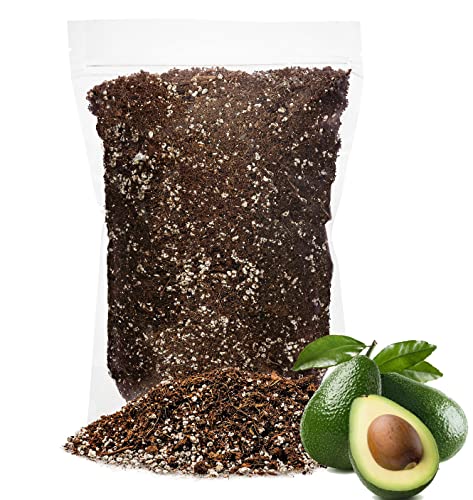
🌳 PROFESSIONALLY MIXED IN THE USA - Each bag is hand blended on our small family farm with premium horticultural grade ingredients: Canadian Peat Moss, Sand, Perlite, Worm Castings, Clay Pebbles (LECA), Lime - 1 QUART BAG

🥑 AVOCADO ALLURE: Tailored to the unique needs of indoor avocado trees, our 3-1-2 Liquid Fertilizer Concentrate is your key to achieving the perfect balance of nitrogen, phosphorus, and potassium. This ensures your avocado tree thrives, bearing lush foliage and the promise of creamy, homegrown avocados.
Avocado Tree Planting Techniques in Raleigh
Planting avocado trees in Raleigh requires specific techniques to ensure healthy growth in the region’s climate. Understanding the local soil conditions, optimal planting times, and care practices is essential for successful cultivation. This section delves into effective methods tailored for Central Carolina, helping you establish thriving avocado trees in your backyard.
Select a sunny location with wind protection.
Dig a hole that is twice as wide as the root ball.
Place the tree in the hole and backfill with soil.
Water the tree deeply to settle the soil.
Watering and Fertilization Strategies for Avocados
Successfully growing avocado trees in Raleigh, NC requires careful attention to watering and fertilization. The unique climate and soil conditions in Central Carolina necessitate specific strategies to ensure these trees thrive. Understanding the right balance of moisture and nutrients is essential for promoting healthy growth and fruit production.
Watering and fertilization are key to ensuring avocado trees thrive. Young trees need consistent moisture while established trees require less frequent watering.
Watering Frequency: Water every 1-2 weeks.
Fertilization: Use a balanced fertilizer in early spring and late summer.
Mulching: Apply mulch to retain moisture and suppress weeds.
| Watering Schedule | Young Trees | Mature Trees |
|---|---|---|
| Frequency | Every week | Every 2 weeks |
| Amount | 10-15 gallons | 20-30 gallons |
Recommended Products

Comes in 5 lb. bag of granules

HEALTHY AVOCADO PLANTS: Our Avocado Fruit Fertilizer is formulated to nourish your avocado plants with micronutrients for lush growth and vibrant leaves while preventing yellowing and stunted growth.
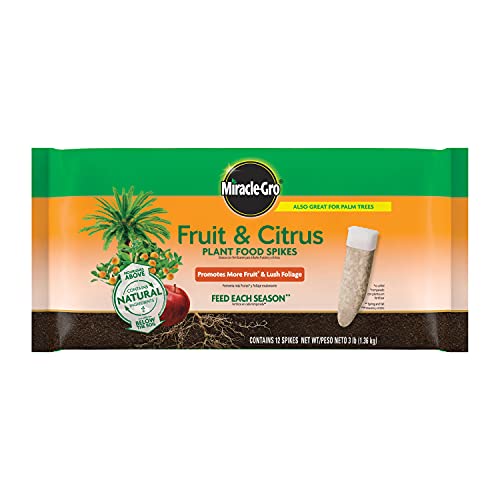
FORMULATED FOR CITRUS AND FRUIT TREES: Use these citrus fertilizer spikes on apple, orange, lemon, lime, and avocado trees; this formula is also great for feeding palm trees
Avocado Pest and Disease Control Strategies
Managing pests and diseases is crucial for the successful cultivation of avocado trees in Raleigh, NC. Given the region’s unique climate and environmental conditions, understanding the specific threats to avocado health and implementing effective control strategies can significantly enhance tree vitality and fruit production. This section explores practical approaches to safeguard your avocado plants from common pests and diseases.
Pest and disease management is vital for maintaining healthy avocado trees. Common issues include root rot and pests like the avocado thrips. Regular monitoring and prompt action can prevent major problems.
Root Rot: Ensure well-draining soil to avoid moisture buildup.
Avocado Thrips: Use insecticidal soap if infestations occur.
Regular Inspections: Check leaves for discoloration or damage.
Pest and Disease Monitoring Techniques
Effective pest and disease monitoring is crucial for the successful growth of avocado trees in Raleigh, NC. This section explores various techniques that can help identify and manage potential threats, ensuring healthy trees and a fruitful harvest. By implementing these strategies, growers can safeguard their avocado plants against common pests and diseases in Central Carolina.
Inspect trees regularly for signs of pests or disease.
Apply treatments as needed based on observations.
Maintain soil health to prevent root issues.
Optimal Timing for Avocado Harvest
Understanding the optimal timing for avocado harvest is crucial for growers in Raleigh, NC, as it directly impacts fruit quality and yield. This region’s unique climate and growing conditions influence when avocados reach their peak ripeness, making it essential for local gardeners to be aware of the best practices for harvesting their crops effectively.
Knowing when to harvest avocados is essential for optimal flavor. Avocados do not ripen on the tree, so monitor their size and color.
Size: Fruit should be full-sized.
Color: Varieties will change color when ripe.
Timing: Harvest in late summer to early fall.
Avocado Harvesting Guidelines for Raleigh
Harvesting avocados in Raleigh requires careful attention to timing and technique to ensure optimal fruit quality. Understanding the specific indicators of ripeness and the best methods for picking can significantly enhance your yield. This section provides essential guidelines tailored to the unique climate and growing conditions of Central Carolina.
Check size and color of the fruit.
Use pruning shears to cut the fruit from the tree.
Store in a cool place to allow ripening.
Successful Avocado Cultivation in Raleigh
Growing avocado trees in Raleigh, NC, presents unique challenges and opportunities due to the region’s climate and soil conditions. Understanding the specific requirements for successful cultivation is essential for local gardeners looking to enjoy homegrown avocados. This section explores effective strategies and best practices tailored to the Central Carolina environment.
Growing avocado trees in Raleigh, NC requires careful selection of varieties, soil preparation, and ongoing maintenance. Following these guidelines will lead to a successful avocado harvest.
