

Have you ever wondered when your brown turkey fig tree will start bearing fruit? If you’ve planted one of these delicious trees in your yard, you’re likely eager to enjoy its sweet, juicy figs. Knowing when to expect fruit can help you plan for that perfect harvest.
Key Takeaways
- Maturity for Fruiting: Brown turkey fig trees typically begin to bear fruit at 3 to 4 years of age, requiring patience for a successful harvest.
- Ideal Growing Conditions: These trees thrive in USDA zones 6 to 10, needing 6 to 8 hours of sunlight daily, well-drained soil with a pH of 6.0 to 6.8, and regular watering without over-saturation.
- Fruiting Season: Expect fruit production from late summer to early fall, with potential for two harvests each year: a breba crop in early summer and a main crop later in the year.
- Signs of Ripeness: Ripe figs display a deep purple-brown color, a slight yield when squeezed, size between 2 to 3 inches, and may drop from the tree when ready to harvest.
- Harvesting Technique: Harvest figs in the morning using garden scissors to avoid damaging the tree, and store them in shallow containers to keep them fresh.
- Varietal Differences: Different fig varieties may have varied fruiting timelines and yields; consider planting multiple types for a longer harvest season.
Understanding Brown Turkey Fig Trees
Brown Turkey fig trees are popular for their delicious fruit and adaptability. Knowing their characteristics and ideal growing conditions contributes to a successful harvest.
Recommended Products


MATURE SIZE & CARE GUIDE: Brown Turkey Fig, versatile and self-pollinating, grows 15-30 feet tall in full sun. Thrives in well-drained soil (Zones 7-10). Fruits late July to late fall, even after freeze damage.

What You Will Receive: One (1) healthy, well-rooted Brown Turkey Fig plant. Nursery-grown and carefully packaged to arrive in excellent condition.
Characteristics of Brown Turkey Fig Trees
- Size: Brown Turkey fig trees typically grow between 10 to 30 feet tall, depending on climate and care.
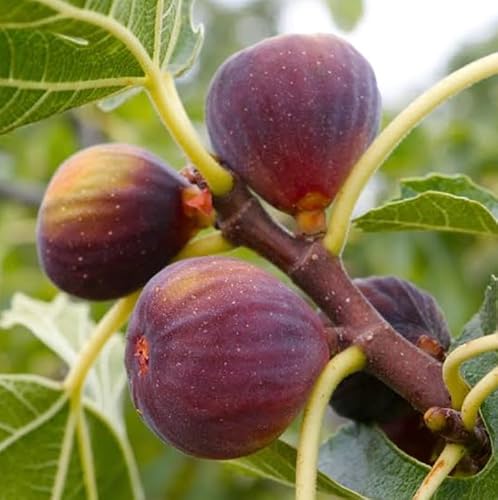
- Fruit: They produce medium to large figs that are sweet and tender, with a purple or brown skin.
- Leaves: The tree’s leaves are large, lobed, and contribute to its overall bushy appearance.
- Growth Habit: This tree has a vigorous growth habit, thriving in well-drained soil with plenty of sunlight.
- Sunlight: Aim for 6 to 8 hours of full sun each day for optimal fruit production.
- Soil: Use well-drained soil with a pH level between 6.0 and 6.8.
- Watering: Water regularly but avoid soggy soil to prevent root rot. Deep watering encourages healthy root development.
- Temperature: Brown Turkey fig trees thrive in USDA zones 6 to 10. Protect them from extreme cold to ensure fruit production.
Life Cycle of Brown Turkey Fig Trees
The life cycle of brown turkey fig trees includes several distinct growth stages that ultimately lead to fruit production. Understanding these stages helps in anticipating when you can harvest sweet figs.
The Growth Stages
- Germination: Seeds typically germinate within 2 to 3 weeks under optimal conditions. Ideal temperatures for germination range from 70°F to 85°F.
- Seedling Stage: After germination, seedlings develop roots and initial leaves. This stage lasts about 6 to 12 weeks, during which it’s essential to provide sufficient light and water.
- Juvenile Stage: Young trees show significant growth in height and foliage. This stage can last 1 to 3 years. Regular watering and fertilization support healthy development.
- Mature Stage: Once trees reach 3 to 4 years of age, they enter the mature stage. At this point, you can expect the first signs of flowering, leading to fruit production.
- Fruit Production: Brown turkey fig trees usually bear fruit from late summer to early fall. You’ll enjoy a harvest during this period, with some trees yielding fruit twice a year.
- Tree Age: Young trees typically don’t bear fruit until they’re at least 3 to 4 years old. Patience is key as they develop.
- Climate: Warm, sunny conditions promote fruiting. Trees thrive in USDA zones 6 to 10. Ensure they’re protected from frost and extreme cold.
- Soil Quality: Well-drained, nutrient-rich soil is crucial. Soil pH should be between 6.0 and 6.8 for optimal fruit production.
- Watering Practices: Regular watering supports growth but avoid overwatering. Soil should remain moist but not soggy to prevent root rot.
- Sunlight Exposure: Aim for at least 6 to 8 hours of direct sunlight daily. Insufficient light can delay fruiting or reduce fruit quality.
When Do Brown Turkey Fig Trees Bear Fruit?
Brown turkey fig trees typically begin to bear fruit when they reach maturity, usually around 3 to 4 years of age. Understanding the fruiting timeline helps you plan for this sweet harvest.
Recommended Products

LIVE FIG TREE DELIGHT: Elevate your living space with the American Plant Exchange Live Brown Turkey Fig Tree, a vibrant and thriving addition to your or outdoor oasis. Bring the beauty of nature into your home with this live plant, carefully nurtured in a 1 gallon pot, standing at 1-1.5 feet tall.

For sale is one Brown Turkey Fig Shrub that is approximately 4-10" tall and shipped in a quart pot
Typical Fruiting Timeline
Fruiting generally occurs from late summer to early fall. Once the trees mature, they may produce two crops annually: the breba crop in early summer and the main crop in late summer. The breba crop arises from buds formed in the previous year, while the main crop emerges from new growth during the current season.
To maximize your chances of a successful harvest, consider the following:
- Age: Ensure your tree has matured to at least 3 years old for optimal fruit production.
- Weather: Warmer temperatures encourage fruit development; cold snaps can delay it.
- Conditions: Keep your tree in well-drained soil with ample sunlight.
Varietal Differences
Different varieties of fig trees may impact the timing and amount of fruit produced. While brown turkey figs are reliable producers, other varieties like Celeste or Kadota may bear fruit at different times or yields. Brown turkey figs typically benefit from warm climates and bear fruit consistently each year in USDA zones 6 to 10.
If you’re interested in cultivating different varieties, research their specific care requirements and fruiting timelines to match your growing conditions. Consider planting multiple types to diversify your harvest and enjoy figs over an extended period.
Harvesting Brown Turkey Figs
Harvesting brown turkey figs requires attention to detail. Knowing when and how to pick the figs is essential for enjoying their sweet flavor.
Signs of Ripeness
Look for particular signs to determine if your brown turkey figs are ripe:
- Color: Ripe brown turkey figs should display a deep purple-brown hue.
- Softness: Gently squeeze the figs; they should yield slightly without feeling mushy.
- Size: Mature figs typically grow to 2 to 3 inches in length.
- Dropping: Figs that have started to drop from the tree are often ready to be picked.
Observation of these characteristics helps in selecting the best figs for harvesting.
Best Practices for Harvesting
Follow these steps for the most effective fig harvesting:
- Timing: Harvest figs in the morning when temperatures are cooler. This helps preserve their freshness.
- Tools: Use garden scissors or pruners to cut figs from the tree. Avoid pulling them off, as this can damage the tree.
- Technique: Cut the stem about an inch from the fruit to reduce the risk of damage.
- Storage: Place harvested figs in a shallow container to prevent bruising. Keep them cool and dry until you’re ready to enjoy them.
Using these best practices ensures you maximize the flavor and longevity of your figs.
Conclusion
Growing your own brown turkey fig tree can be a rewarding experience. With a little patience and the right care you’ll soon enjoy the sweet fruits of your labor. Remember that these trees typically start bearing fruit around 3 to 4 years old and thrive in sunny well-drained conditions.
Keep an eye on the signs of ripeness and follow best practices for harvesting to make the most of your figs. Whether you’re savoring them fresh or using them in delicious recipes your brown turkey figs are sure to bring joy to your garden and your table. Happy gardening!
Frequently Asked Questions
What is the typical fruit-bearing timeline for brown turkey fig trees?
Brown turkey fig trees typically start bearing fruit at around 3 to 4 years of age. Fruiting usually occurs from late summer to early fall, with potential for two crops: a breba crop in early summer and a main crop later.
What conditions do brown turkey fig trees need to thrive?
These trees thrive in well-drained soil and require 6 to 8 hours of full sunlight daily. They prefer a pH level between 6.0 and 6.8 and flourish in USDA zones 6 to 10 while being protected from extreme cold.
How do I know when my figs are ripe for harvesting?
Ripe brown turkey figs will have a deep purple-brown color, feel slightly soft when squeezed, and measure 2 to 3 inches in size. They may also drop from the tree when fully ripe.
What is the best way to harvest brown turkey figs?
For optimal flavor, harvest figs in the cooler morning hours. Use garden scissors to cut them gently and store them in shallow containers to avoid bruising and ensure freshness.
Can I grow different varieties of fig trees together?
Yes, growing different fig tree varieties, such as Celeste or Kadota, can help diversify your harvest. Each variety may have unique fruiting times, allowing for figs to be enjoyed over a longer period.
