

Ever wondered how long it takes for a pomegranate tree to start bearing fruit? If you’ve planted one in your garden, you’re probably eager to see those vibrant, juicy gems. It can be a bit frustrating waiting for your tree to produce, especially when you’re excited about the harvest.
Key Takeaways
- Time to Bear Fruit: Pomegranate trees typically begin to produce fruit in about three to four years when grown in optimal conditions.
- Tree Varieties: Choosing the right variety is crucial; sweet, sour, and dwarf types can influence fruit taste and growing success.
- Environmental Factors: Trees thrive in warm, dry climates with ample sunlight and well-draining soil; inadequate conditions can delay fruiting.
- Seed vs. Grafted: Seed-grown pomegranates may take 5-7 years to bear fruit, while grafted trees often produce fruit within 3-4 years.
- Proper Care: Regular watering, nutrient management, and protection from frost significantly enhance growth and hasten fruit production.
- Mature Trees: Once a pomegranate tree matures beyond five years, it can produce fruits consistently and in greater quantities.
Understanding Pomegranate Trees
Pomegranate trees are fascinating plants that offer both beauty and fruit. Understanding their characteristics helps you better anticipate when you can expect your tree to bear fruit.
Overview of Pomegranate Trees
Pomegranate trees (Punica granatum) thrive in warm, dry climates and can grow between 12 to 16 feet tall. They feature glossy, dark green leaves and produce striking red flowers. The fruit forms only after the flowers pollinate, requiring patience from gardeners. Typically, a young tree begins to bear fruit in about three to four years under optimal conditions. Factors like soil quality, climate, and care impact this timeline.
Types of Pomegranate Trees
Several varieties of pomegranate trees exist, each with unique characteristics:
- Sweet Variety: Known for juicy, sweet fruits, these trees thrive in warm climates. Examples include ‘Wonderful’ and ‘Angel Red.’
- Sour Variety: These trees produce tart fruits, often used for juices or culinary purposes. ‘Eversweet’ is a common choice here.
- Dwarf Variety: Ideal for smaller spaces, dwarf pomegranates, such as ‘Nana,’ reach only 2 to 3 feet in height. They still produce fruit, making them suitable for containers.
Selecting the right type contributes to your success in growing pomegranates. Consider factors like climate and available space before making your choice.
Factors Influencing Fruit Bearing
Several factors affect how long it takes a pomegranate tree to bear fruit. Understanding these elements helps set realistic expectations for your gardening journey.
Recommended Products

🍎 𝐏𝐑𝐄𝐌𝐈𝐔𝐌 𝐏𝐎𝐌𝐄𝐆𝐑𝐀𝐍𝐀𝐓𝐄 𝐏𝐎𝐓𝐓𝐈𝐍𝐆 𝐌𝐈𝐗: Our Pomegranate Potting Mix is expertly crafted to provide the perfect growing environment for vibrant and healthy pomegranate trees. This premium soil mix ensures your pomegranate trees receive the optimal nutrients, moisture, and aeration needed to thrive, making it ideal for both indoor plants and container gardening.

🌳 Mango Majesty Unveiled: Elevate your Mango Tree care with Gardenera's meticulously crafted Mango Tree Potting Mix, designed to nurture the growth and bounty of your mangoes.

The Wonderful Pomegranate tree lives up to its name with its tropical fruit, showy flowers, and low amount of overall maintenance. This fruit tree is a joy to grow in any warm landscape.
Age of the Tree
Age plays a crucial role in fruit production. Young pomegranate trees take about three to four years to start bearing fruit. Trees younger than three years typically focus on establishing roots and foliage. Optimal growth occurs in healthy trees aged between three and five years, leading to better yields. Once a tree matures past five years, fruiting becomes more consistent, and you might see higher quantities of pomegranates.
Environmental Conditions
Environmental conditions significantly impact fruit growth. Pomegranate trees thrive in warm, dry climates with at least 6-8 hours of direct sunlight daily. Temperatures between 70°F and 85°F encourage flowering and fruiting. Poor soil drainage or excessive watering can hinder growth. Ensure your soil is well-draining, and incorporate organic matter for better fertility. Additionally, consider the tree’s protection from frost; temperatures below 30°F can damage blossoms and reduce fruit sets. By optimizing these environmental elements, you enhance your tree’s potential for fruiting.
Typical Timeframe for Fruit Bearing
Pomegranate trees typically take several years to bear fruit, depending on their growing method and care.
Recommended Products

🌱 Pomegranate trees can produce high volumes of fruits. This is a fun tree to have with beautiful flower blossoms and fragrances. Tree can be trimmed to your desire. Punica Granatum COLOR: Red Fruit

GRAFTED FRUITING TREE: Russian pomegranate plant is propagated from mature fruit producing stock instead of seed grown material for stronger growth habits and earlier fruiting potential
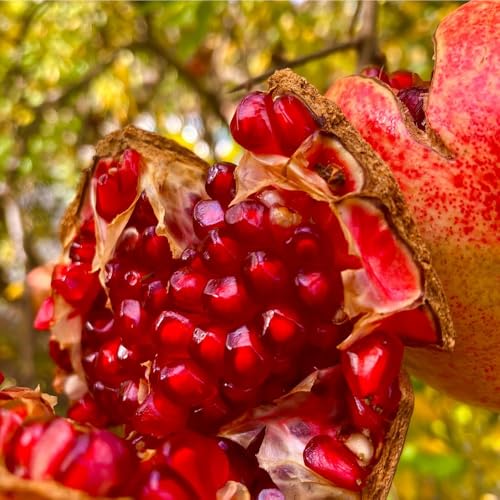
Product Quantity: 35+ organic pomegranate seeds per packet; Premium selection for optimal viability; Perfect for starting multiple trees to ensure successful germination
Seed-Grown Trees
Seed-grown pomegranate trees often take between five to seven years to produce fruit. This extended timeframe stems from the tree’s initial focus on root and foliage development. When growing from seeds, it’s crucial to provide optimal environmental conditions, such as warm temperatures and well-draining soil. Additionally, nurturing young trees with proper watering and sunlight enhances growth and potential fruit production.
Grafted Trees
Grafted pomegranate trees usually bear fruit much sooner, often within three to four years. This method allows for the rapid establishment of fruit-bearing branches from mature varieties. Selecting a reputable nursery for grafted trees ensures you receive healthy specimens adapted to your specific climate. Effective care, including regular watering and protection from frost, further supports quicker fruiting.
Care and Maintenance Tips
Caring for your pomegranate tree significantly impacts how soon it bears fruit. Follow these essential tips for optimal growth and fruit production.
Recommended Products

🌿 Balanced 10-10-10 Granular Fertilizer for Outdoor & Indoor Plants: All-purpose plant food with 10% Nitrogen, 10% Phosphorus, and 10% Potassium. Perfect for outdoor vegetable gardens, fruit trees, evergreens, shrubs, lawns, and flowers. Also great for potted plants and indoor gardening. One solution for all your plant needs!


Let our professionally formulated plant food help your fruit tree grow healthy, strong AND abundantly producing
Proper Watering
Watering your pomegranate tree adequately promotes healthy growth and fruitful yields. Water young trees deeply once a week, allowing the soil to dry slightly between sessions. Once established, you can reduce watering to every 10 to 14 days. During dry spells, increase frequency to prevent stress. Ensure the soil drains well to avoid root rot, as pomegranates thrive in dry environments.
Nutrient Requirements
Providing the right nutrients boosts your pomegranate tree’s ability to bear fruit. Use a balanced fertilizer, like a 10-10-10 NPK formula, during the growing season. Apply it early in spring and again in midsummer for best results. Monitor the tree’s growth and adjust accordingly, as signs of nutrient deficiency may include yellowing leaves or stunted growth. Incorporating organic compost into the soil enhances fertility and supports overall health.
Conclusion
Growing a pomegranate tree can be a rewarding journey filled with anticipation. While it might take a few years for your tree to start bearing fruit you’ll find that the wait is worth it when you finally see those vibrant pomegranates. Remember that patience is key and nurturing your tree with the right care will help it thrive.
As you watch your tree grow and flourish you’ll also discover the joy of gardening and the satisfaction of harvesting your own fruit. So keep tending to your pomegranate tree and enjoy the process. Soon enough you’ll be savoring the sweet rewards of your hard work.
Frequently Asked Questions
How long does it take for a pomegranate tree to produce fruit?
Pomegranate trees usually begin to bear fruit within three to four years if grafted, while seed-grown varieties may take five to seven years. Young trees initially focus on establishing roots and foliage before producing fruit.
What conditions do pomegranate trees need to thrive?
Pomegranate trees thrive in warm, dry climates with ample sunlight and well-draining soil. They should be protected from frost and require proper watering to enhance their fruiting potential.
What types of pomegranate trees are available?
There are several types of pomegranate trees, including sweet varieties for fresh eating, sour varieties for juices, and dwarf varieties ideal for small spaces. Choosing the right type depends on your climate and available space.
How can I help my pomegranate tree bear fruit faster?
To encourage quicker fruiting, ensure your tree is grown in optimal conditions, such as providing warm temperatures, well-draining soil, and regular watering. Using balanced fertilizer and organic compost also boosts tree health.
What care tips are essential for pomegranate trees?
Key care tips for pomegranate trees include deep watering young trees once a week, adjusting watering frequency for established trees based on dry spells, and applying balanced fertilizer during the growing season to support tree growth and fruiting.
