

Have you ever wondered why your fruit trees aren’t thriving? You’re not alone. Many gardeners face the same frustration when their trees struggle to grow or produce fruit. The secret often lies in the soil.
Key Takeaways
- Soil Type Matters: The health and productivity of fruit trees are significantly influenced by the type of soil they are planted in, including clay, sandy, and loamy soils.
- Loamy Soil is Ideal: Loamy soil, a combination of clay, sand, and silt, is often the best choice for growing most fruit trees due to its balance of drainage and moisture retention.
- Add Organic Matter: Incorporating organic material like compost or peat moss into the soil improves structure, retains moisture, and enhances nutrient content, benefiting fruit tree growth.
- Nutrient and pH Balance: Regular soil testing is essential to maintain optimal nutrient levels and pH (ideally between 6.0 and 7.0 for most fruit trees).
- Tree-Specific Needs: Different fruit trees have unique soil requirements—apples prefer loamy soil, citrus thrive in sandy soil, and berries need slightly acidic conditions for optimal growth.
- Manage Watering Effectively: Proper watering practices, tailored to specific soil types and tree varieties, are crucial for avoiding waterlogging or drought stress, ensuring healthy fruit production.
Understanding Soil Types
Soil plays a vital role in the health of your fruit trees. Different soil types provide distinct characteristics that influence tree growth and fruit production.
Recommended Products

Feed the soil not the plants - stimulate microbial activity in your soil and boost probability of success with all types of plants… like composting but faster

Nutrient-Rich Organic Compost for Healthy Soil: Support stronger plant growth with this premium organic compost made from dairy cow manure. This all purpose soil amendment helps replenish essential nutrients often depleted after harvests, making it ideal for vegetable gardens, fruit trees, flowers, lawns and container plants.
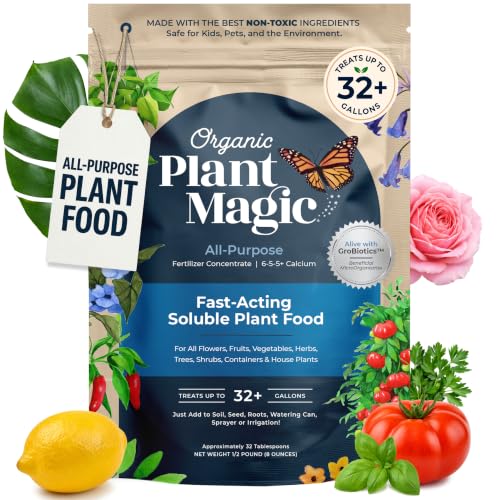
TRULY ORGANIC ALL-PURPOSE PLANT FOOD: One 1/2 lb bag of this organic water soluble fertilizer concentrate makes 32+ gallons of liquid plant food, delivering outstanding performance with every feeding. Feeds vegetables, flowers, herbs, fruit, trees, gardens and indoor house plants with one single product, with no harmful chemicals. Real performance that lasts the whole season and keeps building year after year.
Clay Soil
Clay soil consists of small, tightly packed particles. It retains moisture well, which can benefit fruit trees during dry periods. However, it drains poorly, leading to waterlogging. When working with clay soil, consider these points:
- Amend the soil: Mix organic matter, like compost, to improve drainage and aeration.
- Choose drought-tolerant trees: Opt for varieties that can manage excess moisture and thrive in heavier soils, such as pear or cherry trees.
- Avoid compaction: Keep foot traffic minimal to prevent compacting the soil further, which hinders root growth.
Sandy Soil
Sandy soil consists of larger particles that create good drainage but holds less moisture. While this can prevent waterlogging, it often means frequent watering. Key considerations include:
- Add organic material: Incorporate compost or mulch to retain moisture and nutrients.
- Select suitable trees: Grow trees like figs or apricots that tolerate drier conditions.
- Water regularly: Plan a consistent watering schedule to ensure the roots receive enough moisture.
Loamy Soil
Loamy soil is a mix of clay, sand, and silt, often considered the ideal soil type for fruit trees. It combines good drainage with moisture retention. When you work with loamy soil, keep in mind:
- Maintain nutrient balance: Test soil regularly for nutrients and amend as needed.
- Diverse tree selection: Almost all fruit trees thrive in loamy soil, including apples, peaches, and plums.
- Practice good soil management: Use cover crops or crop rotation to maintain soil health and structure.
Understanding the properties of these soil types enables you to choose the best fruit trees and create a thriving garden.
Essential Soil Characteristics
Understanding essential soil characteristics helps you choose the right soil for fruit trees. Key factors include drainage, pH levels, and nutrient content.
Drainage
Good drainage prevents waterlogging, which can harm fruit tree roots. Ideally, soil should drain excess water while retaining some moisture. If soil has poor drainage, consider incorporating organic matter to improve structure. This is especially critical for clay soils, which tend to hold water. For sandy soils, ensure there’s enough organic matter to maintain moisture levels. Also, planting on slopes or raised beds encourages better drainage.
pH Levels
Soil pH affects nutrient availability for fruit trees. Most fruit trees thrive in a pH range of 6.0 to 7.0. If pH is too low (acidic) or too high (alkaline), nutrient absorption decreases. Testing soil pH offers insight into necessary amendments. You can raise pH by adding lime or lower it with sulfur. Regular testing helps you maintain optimal levels for healthy tree growth.
Nutrient Content
Nutrient-rich soil supports robust fruit production. Essential nutrients include nitrogen, phosphorus, and potassium, along with trace minerals. Conducting a soil test identifies nutrient deficiencies. Based on results, you can add fertilizers or compost to enrich the soil. Applying organic fertilizers not only adds nutrients but also improves soil structure, supporting root health and fruit quality.
Best Soil Mixture for Fruit Trees
Choosing the right soil mixture is crucial for the success of your fruit trees. A proper blend supports healthy root development and maximizes fruit production.
Recommended Products

Save Sick Plants Fast – Revive struggling plants with a powerful blend of Mycorrhizal Fungi, Trichoderma, and Bacillus that restores root health and boosts nutrient uptake for vibrant growth

SUPERCHARGE YOUR GARDEN: Elevate your plants' growth with premium organic Brut Worm Castings. Our certified organic formula guarantees optimal nutrition for your indoor and outdoor plants.

Feed the soil not the plants - stimulate microbial activity in your soil and boost probability of success with all types of plants… like composting but faster
Organic Matter Importance
Organic matter enriches soil, providing essential nutrients for fruit trees. It enhances soil structure, improving aeration and water retention. Incorporate compost, decomposed leaves, or well-rotted manure into your soil mix. Doing so boosts microbial activity, fostering a thriving ecosystem that supports tree health. Aim for at least 20-30% organic matter in your soil mixture for optimal results.
Recommended Amendments
To create the best soil mixture for your fruit trees, consider the following amendments:
- Compost: Blend well-decomposed organic materials into the soil. Compost adds nutrients and helps retain moisture.
- Peat Moss: Combine peat moss with clay or sandy soils to improve water retention and aeration.
- Perlite or Vermiculite: Mix these amendments to enhance drainage and prevent soil compaction.
- Wood Ash: Sprinkle wood ash in small amounts to raise pH levels if necessary, ensuring the soil remains within the ideal pH range of 6.0 to 7.0.
- Bone Meal: Use bone meal to increase phosphorus levels, promoting root growth and flowering.
Adjust your amendments based on results from soil tests. Each fruit tree may require different nutrient levels for optimum growth. Prioritizing the right soil mixture creates a strong foundation for productive fruit trees.
Factors to Consider for Specific Fruit Trees
Choosing the right soil varies by fruit type. Different fruit trees thrive in distinct soil conditions, so understanding these needs helps you cultivate a flourishing garden.
Recommended Products

100% Natural: Expertly hand-blended with premium ingredients for potted citrus trees, ensuring your trees receive the purest, chemical-free nutrients. Contains no artificial additives.

OMRI Listed - Cz Dolomite Lime is an All-Natural mineral fertilizer listed by the Organic Materials Review Institute (OMRI). It may be used in certified organic production or food processing and handling according to the USDA National Organic Program regulations. (OMRI Certified 2024)
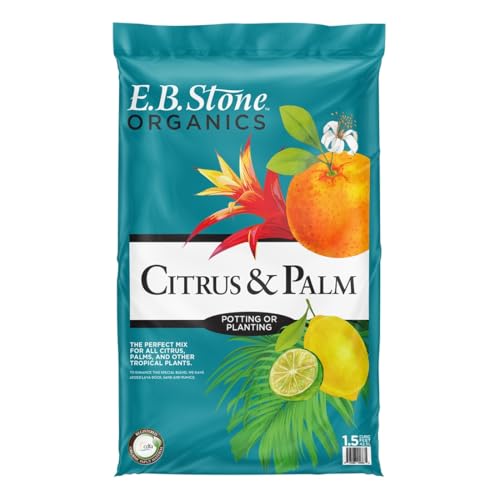
BUILT FOR CITRUS, PALMS & TROPICALS - Formulated for the deep, hungry roots of citrus, avocado, palms, ferns, and tropical plants, indoors or out.
Apples
Apples prefer well-drained loamy soil rich in organic matter. Aim for a pH level between 6.0 and 7.0. If your soil is heavy clay, improve drainage by adding compost and aged manure. Regularly mulch to retain moisture and suppress weeds. Opt for varieties like Honeycrisp or Fuji as they adapt well to these conditions.
Citrus
Citrus trees thrive in sandy, well-draining soils. Incorporate organic material like peat moss or compost to enhance nutrient content while maintaining proper drainage. Citrus prefer slightly acidic soil, ideally between pH 5.5 and 6.5. Water citrus deeply and inconsistently to encourage strong root systems. Varieties such as Meyer lemon or Valencia orange excel in these soil conditions.
Berries
Berries, such as strawberries and blueberries, flourish in slightly acidic, well-drained soils. The optimal pH for blueberries ranges from 4.5 to 5.5. Amend soil with organic matter like pine needles or peat to lower pH. Ensure consistent moisture but avoid waterlogged conditions. For strawberries, choose a loamy mix for better drainage. Varieties such as Chandler strawberries or Northcountry blueberries thrive best with these soil considerations.
Conclusion
Choosing the right soil for your fruit trees can make all the difference in their growth and productivity. By understanding the unique needs of different trees and the characteristics of various soil types you can create an environment that promotes healthy roots and abundant fruit. Remember to amend your soil with organic matter and keep an eye on drainage and pH levels.
With a little effort and attention to detail you’ll be well on your way to enjoying a bountiful harvest from your flourishing fruit trees. Happy gardening!
Frequently Asked Questions
What causes fruit trees to fail to thrive?
Poor soil quality is often the primary reason fruit trees struggle. Factors like drainage, nutrient content, and pH levels play a crucial role in the health and productivity of fruit trees.
How does soil type affect fruit tree growth?
Different soil types—clay, sandy, and loamy—have unique characteristics that influence tree growth and fruit production. Loamy soil is ideal, while clay can be improved with amendments for better drainage.
What is the best soil for fruit trees?
Loamy soil is considered the best for fruit trees as it offers good drainage, nutrient balance, and moisture retention. It typically contains 20-30% organic matter.
How can I improve clay soil for fruit trees?
Amend clay soil by incorporating organic matter, such as compost. Choose drought-tolerant trees, and avoid soil compaction to promote better drainage and root growth.
What should I add to sandy soil for fruit trees?
To enhance sandy soil, mix in organic material to improve moisture retention. Ensure you select suitable tree varieties and maintain a consistent watering schedule.
What pH level is ideal for fruit trees?
The ideal pH range for most fruit trees is between 6.0 and 7.0. Regular soil testing can help determine if pH adjustments are necessary using lime or sulfur.
How can I ensure good drainage for fruit trees?
Ensure good drainage by choosing well-draining soil types, especially in clay soil. Incorporate organic matter and consider raised beds to prevent waterlogging.
What role does organic matter play in soil?
Organic matter enriches soil, improves aeration, enhances water retention, and provides essential nutrients. Aim for 20-30% organic matter in your soil mixture for optimal fruit tree health.
What are key amendments for fruit tree soil?
Essential amendments include compost, peat moss, perlite, wood ash, and bone meal, depending on soil test results. These improve soil structure and nutrient availability.
What are specific soil needs for common fruit trees?
- Apples thrive in well-drained loamy soil (pH 6.0–7.0).
- Citrus prefers sandy, well-draining soil (pH 5.5–6.5).
- Blueberries require slightly acidic soil (pH 4.5–5.5) with good drainage.
