

Have you ever looked at your fruit trees and wished they could be healthier or produce more fruit? You’re not alone. Many gardeners struggle with the challenge of shaping their trees for optimal growth and fruit production.
Key Takeaways
- Understanding Shaping: Shaping fruit trees through pruning and training is essential for healthy growth, promoting airflow and maximizing light exposure.
- Tree Health and Yield: Proper shaping leads to stronger branches, enhanced light access, better airflow, and ultimately results in healthier trees with higher quality fruit.
- Pruning Techniques: Utilize thinning cuts, heading cuts, and suckering during late winter or early spring for optimal tree structure and fruit production.
- Training Young Trees: Adopt methods like central leader and open center training to establish strong frameworks and promote balanced growth in young trees.
- Advanced Techniques: Explore advanced shaping methods such as espalier and fan training to make the most of limited space and improve fruit yield.
- Seasonal Maintenance: Timing is crucial; prune in the correct seasons to reduce stress and enhance the effectiveness of shaping efforts for overall tree health.
Understanding Fruit Tree Shaping
Understanding fruit tree shaping is crucial for achieving healthy trees and abundant yields. Shaping involves pruning and training trees to grow in a way that maximizes light exposure and promotes airflow.
Importance of Shaping Fruit Trees
Shaping fruit trees helps maintain a balanced structure. You want trees to develop strong branches that can support fruit without breaking. Proper shaping prevents overcrowding, allowing each branch ample space to thrive. This organization reduces the risk of diseases caused by poor air circulation and excessive humidity.
Benefits for Tree Health and Yield
Shaping enhances overall tree health and boosts fruit yield. Here are some key benefits:
- Light Access: Shaping optimizes light penetration, ensuring all parts of the tree receive sunlight. This process stimulates photosynthesis, leading to healthier trees and larger fruit.
- Airflow: Enhanced airflow reduces moisture accumulation around the leaves, lowering the risk of fungal infections.
- Fruit Quality: Well-shaped trees often produce higher quality fruit with better flavor and texture.
- Easier Harvesting: A well-structured tree makes it easier to access and harvest fruit, minimizing damage during collection.
By actively shaping your fruit trees, you promote their longevity and increase your fruit harvest each season. Embrace these practices to enjoy healthier, more productive trees.
Basic Techniques for Shaping Fruit Trees
Shaping fruit trees involves several basic techniques that enhance their health and productivity. You’ll rely on two main methods: pruning and training. Focus on these approaches to ensure your fruit trees thrive.
Recommended Products

Sharp & Rustproof: Our garden scissors are made of premium stainless steel material, which has corrosion resistance and good hardness. Sharp blades can quickly finish pruning tasks for gardens, vegetable gardens, orchards, and indoor plants

· ULTRA-SHARP SK5 STAINLESS STEEL - Engineered with premium SK5 stainless steel, these heavy duty pruning shears deliver razor-sharp precision and maximum hardness. The rust-resistant blades are designed to stay sharp longer, effortlessly resisting corrosion and sap buildup for smooth, friction-free garden shears performance year after year.
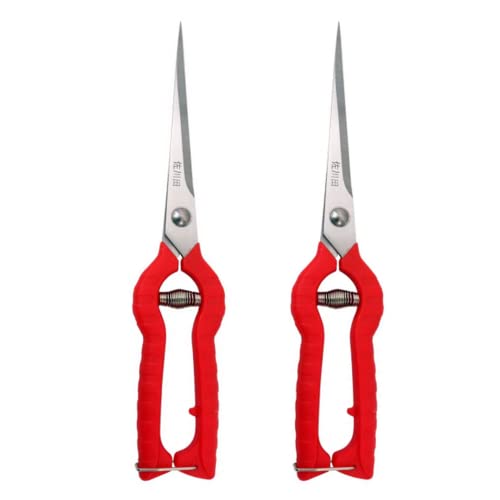
Total length : 245 mm blade length : 96 mm handle length : 122 mm closed handle width : 45 mm
Pruning Methods
Pruning enhances fruit tree shape and health through various techniques. Follow these pruning methods to maintain your trees:
- Thinning Cuts: Remove entire branches at their point of origin. Thinning opens up the canopy, allowing light and air to penetrate, which improves fruit quality.
- Heading Cuts: Shorten branches to encourage lateral growth. This technique promotes a bushier tree and greater fruit production. Aim for a smooth cut just above a bud.
- Suckering: Eliminate unwanted shoots that grow from the base or trunk. Removing suckers directs energy to productive branches, enhancing overall growth.
- Seasonal Timing: Prune in late winter or early spring before new growth. This timing minimizes stress on the tree and promotes robust regrowth.
Training Young Trees
Training young trees shapes their growth and establishes a strong framework. Implement these training strategies for optimal results:
- Central Leader Method: Select a single strong stem as the leader. Attach other branches at even intervals around this leader to create a balanced structure. This strategy helps distribute weight evenly.
- Open Center Method: Focus on creating an airy, open shape. Remove the center leader and allow several main branches to develop. This method enhances light exposure and airflow, crucial for fruit development.
- Support Structures: Use stakes or trellises to guide young trees. These supports keep new growth upright and prevent damage from wind or heavy fruit loads.
- Regular Adjustments: Check the growth regularly and adjust ties or supports as needed. Making timely adjustments fosters a sturdy tree that withstands wind and produces quality fruit.
Implementing these basic techniques for shaping fruit trees supports healthy growth, maximizes fruit production, and simplifies harvest processes.
Advanced Shaping Techniques
Advanced shaping techniques enhance the structure and yield of your fruit trees. Two popular methods include espalier and fan training, along with pollarding and coppicing. Each offers unique benefits and requires specific practices.
Espalier and Fan Training
Espalier creates a flat, two-dimensional tree form against a wall or fence. Follow these steps for successful espalier:
- Choose the Right Tree: Select a suitable species, such as apple or pear.
- Prepare the Support: Install a sturdy trellis or wire framework.
- Initial Pruning: After planting, prune to shape the tree. Focus on horizontal branches that can fit along the support.
- Train New Growth: Attach new shoots to the support system as they grow, securing them gently to encourage width rather than height.
- Regular Maintenance: Prune annually to maintain shape and remove any unwanted growth.
Fan training is another effective method, ideal for small spaces. It involves training the tree to grow in a fan-like structure. Follow these guidelines:
- Select Young Trees: Start with young, flexible trees that you can easily shape.
- Establish Central Leader: Allow one main stem to grow upright while developing side branches at wide angles.
- Pruning Schedule: Regularly prune to encourage outward branch growth and remove any competing leaders.
Both methods improve light access and increase fruit production by maximizing space.
Pollarding and Coppicing
Pollarding involves cutting back trees at a specific height to encourage bushy, dense growth. This technique provides benefits like increased light penetration and improved fruit yield. Here’s how to do it:
- Select a Tree: Choose species that respond well, such as willow, hornbeam, or fruit trees.
- Identify the Pollarding Height: Determine a consistent height for pollarding, typically between 6-8 feet.
- Timing: Perform pollarding in late winter or early spring while the tree is dormant.
- Cutting Technique: Make clean cuts above a node to encourage new growth.
- Maintenance: Thin out the new shoots every few years to control growth and maintain shape.
Coppicing is similar in approach, but it involves cutting trees back to ground level. Follow these steps:
- Choose the Right Species: Opt for trees that regrow vigorously, such as hazel or chestnut.
- Cut Back: In late winter, cut back stems close to ground level.
- Allow New Growth: Let the shoots grow freely, and select the strongest for future growth.
- Cycle Timing: Repeat the process every few years as desired for wood production or fruiting.
Both techniques enhance fruiting capacity and improve tree health through controlled growth management.
Seasonal Considerations
Shaping fruit trees involves timing your actions to match the seasons for optimal results. Here are some essential factors to keep in mind.
Recommended Products
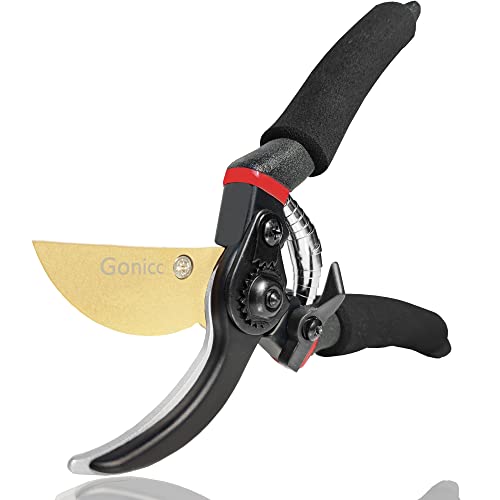
Drop-forged construction delivers exceptional durability and sturdiness for long-term heavy garden use.

CLEAN CUTS FOR LIVE GROWTH: Bypass blade design is ideal for pruning delicate flower stems and green growth, helping reduce crushing and plant damage while cutting stems and small branches up to 5/8” in diameter

DUAL CUTTING POWER: VERSATILE PRUNING COMBO --- With both Pruning Shears and Pruning Snip, this combo delivers unmatched versatility. Whether you're delicately trimming flowers and shrubs, tackling thicker tree branches, or tending to your vegetable and fruit garden, our combo pack excels in all areas. They're also perfect for landscaping projects and maintaining the health and appearance of indoor plants. With this pack, you have a versatile tool that simplifies your gardening tasks.
Best Times to Shape Fruit Trees
Timing significantly impacts the success of your pruning and training efforts.
- Late Winter to Early Spring: Ideal for pruning. At this time, trees are still dormant, minimizing stress and promoting quicker healing.
- Summer: Pruning during summer focuses on shaping and controlling growth. Remove unwanted growth to enhance light penetration and airflow.
- Fall: Avoid significant pruning in the fall. This can stress the tree and expose cuts to potential frost damage.
Seasonal Maintenance Tips
Different seasons require distinct maintenance strategies.
- Spring: Inspect trees for signs of disease or pests. Apply necessary treatments and monitor new growth patterns.
- Summer: Conduct regular inspections for pests. Adjust supports and guide branches for proper alignment as the tree grows.
- Fall: Prepare trees for winter. Remove fallen leaves to reduce disease risk, and consider light pruning to shape before dormancy.
- Winter: Apply mulch around the base for insulation. Avoid pruning when temperatures drop significantly, which can shock the tree.
Timing and proper seasonal maintenance enhance growth, productivity, and overall tree health.
Conclusion
Shaping your fruit trees is a rewarding journey that can lead to healthier trees and bountiful harvests. By mastering pruning and training techniques you can create a balanced structure that supports fruitful branches and promotes robust growth.
Remember to consider seasonal timing for your tasks to minimize stress on the trees. Regular maintenance and adjustments will keep your trees thriving and productive. With a little patience and care you’ll not only enjoy the beauty of well-shaped trees but also reap the delicious rewards of your hard work. Happy gardening!
Frequently Asked Questions
What is fruit tree shaping?
Shaping fruit trees involves pruning and training techniques to optimize growth and fruit production. This process enhances light exposure, airflow, and tree structure, ultimately leading to healthier trees and improved harvests.
Why is pruning important for fruit trees?
Pruning helps remove overcrowded branches, promotes strong growth, and improves light penetration. It reduces disease risk and ensures stronger branches can support fruit, resulting in higher-quality yields.
When is the best time to prune fruit trees?
The ideal time for pruning fruit trees is in late winter or early spring when trees are dormant. This timing minimizes stress and encourages robust growth for the upcoming season.
What are the benefits of training fruit trees?
Training fruit trees, such as using the central leader or open center methods, establishes a strong framework, maximizes light access, and facilitates easier harvesting, leading to enhanced fruit production.
What advanced shaping techniques can be used for fruit trees?
Advanced techniques like espalier and fan training maximize light access and space, improving fruit yield. Both methods involve specific pruning and training processes to foster healthy growth and productivity.
How can seasonal maintenance enhance tree health?
Regular seasonal maintenance, such as inspecting for pests in spring and adjusting supports in summer, ensures trees remain healthy. Timely actions prevent problems and enhance overall productivity throughout the year.
Can shaping techniques affect the longevity of fruit trees?
Yes, proper shaping techniques promote tree longevity by maintaining a balanced structure, reducing overcrowding, and minimizing disease risks, resulting in healthier and more productive trees over time.
