

Have you ever thought about how a few fruit trees could change your property? Imagine stepping outside to pick fresh apples or peaches right from your yard. Beyond the delicious treats, fruit trees can significantly enhance the value of your land in more ways than you might expect.
This article will explore the tangible and intangible benefits of planting fruit trees. You’ll discover how they can boost your property’s appeal, improve soil health, and even provide a sustainable source of food. If you’re considering ways to make your land more valuable, you’ll want to stick around and learn how fruit trees can play a vital role in your plans.
Key Takeaways
- Value Addition: Planting fruit trees can significantly increase your property’s market value, making it more attractive to potential buyers.
- Soil Health: Fruit trees improve soil health by enriching it with organic matter, promoting biodiversity, and enhancing water retention.
- Sustainable Food Source: Growing fruit trees provides a cost-effective and sustainable source of fresh produce directly from your yard.
- Economic Benefits: Mature fruit trees can generate revenue through fruit sales and agritourism opportunities, boosting your financial returns.
- Community Engagement: Fruit trees foster community connections through shared harvests, gardening efforts, and beautification of the neighborhood.
- Care and Maintenance: Proper selection and maintenance of fruit trees are essential for maximizing their benefits, requiring attention to climate, soil type, watering, and pest management.
Overview Of Fruit Trees
Fruit trees enhance land by providing numerous benefits. They offer fresh produce right from your backyard, keeping you healthy and sustainable. Additionally, they contribute to environmental balance, supporting wildlife and improving air quality.
Types Of Fruit Trees
- Apple Trees: Versatile and popular, these trees thrive in various climates. They yield apples for fresh eating, baking, and preserving.
- Citrus Trees: Trees such as lemon, orange, and lime deliver vibrant fruit and lush greenery. Their aromatic blossoms attract pollinators.
- Cherry Trees: Known for stunning blooms and delicious fruit, these trees add beauty and flavor to your landscape.
- Peach Trees: Fast-growing and rewarding, peach trees produce sweet fruit perfect for snacks and desserts.
Benefits Of Planting Fruit Trees
- Increased Property Value: Homes with mature fruit trees often see higher appraisals. Buyers appreciate the ready food source and aesthetic appeal.
- Soil Health Improvement: Fruit trees contribute to soil enrichment through their roots and fallen leaves, promoting biodiversity and nutrient cycling.
- Sustainable Food Source: Growing your own fruit reduces reliance on store-bought options. It’s cost-effective and ensures freshness and quality.
Practical Tips For Planting
- Choose The Right Tree: Consider your climate and space. Select a tree that suits your local conditions and soil type.
- Plant In Well-Drained Soil: Ensure proper drainage to prevent root rot. Amend heavy soils to improve drainage and fertility.
- Provide Adequate Sunlight: Most fruit trees thrive in full sun. Aim for at least 6 to 8 hours of direct sunlight each day.
- Water Regularly: Newly planted trees need consistent moisture. Water deeply but avoid waterlogging.
- Pruning: Regularly prune your trees to promote healthy growth and reduce pests. Remove dead or diseased branches.
- Fertilizing: Use balanced fertilizers during the growing season to support fruit production. Organic options work well for sustainability.
- Pest Control: Monitor for common pests like aphids and fruit flies. Use less toxic methods, such as insecticidal soap, for effective treatment.
Incorporating fruit trees into your land enhances both its ecological value and your enjoyment of it. The fresh fruit they produce, coupled with the various ecological benefits, makes them a worthwhile investment for any property.
Economic Benefits Of Fruit Trees
Fruit trees provide substantial economic benefits that can enhance your property and yield financial returns. Investing in fruit trees not only enriches your land but also supports your economic goals.
Recommended Products

Complete backyard orchard starter collection: Includes 2 Apple, 2 Blackberry, and 2 Black Cherry bare root fruit trees, providing a diverse assortment of delicious fruit while creating a beautiful edible landscape that produces harvests throughout the growing season.

Product Quantity: 180+ premium bonsai fruit seeds across 5 varieties; Individual packs contain 40+ apple, 40+ lemon, 40+ orange, 20+ blueberry, and 40+ cherry seeds; Perfect for starting a diverse miniature orchard

Increased Property Value
Planting fruit trees can significantly increase your property’s market value. Potential buyers often seek unique features that contribute to a home’s appeal. Mature, well-maintained fruit trees create a picturesque landscape while offering fresh produce. Properties with established fruit trees can attract more interest and higher offers compared to those without. According to the American Society of Landscape Architects, landscaping investments can return up to 100% of their cost upon sale. Each type of fruit tree, such as apple or citrus, adds different aesthetic and functional benefits, increasing overall desirability.
Revenue Generation
Growing fruit trees can also serve as a revenue stream. Once established, trees produce fruit annually, providing options for selling at local farmers’ markets, grocery stores, or through pick-your-own experiences. The average apple tree can yield 400 pounds of fruit each year, while a mature peach tree can produce 150 to 200 pounds. Depending on your local market, selling fresh fruit may generate significant income. You can also consider value-added products, such as jams, jellies, or cider, to further increase profitability. Additionally, small-scale orchard operations can attract agritourism, allowing visitors to enjoy farm experiences while boosting your income potential.
Environmental Impact
Planting fruit trees positively affects the environment. They promote biodiversity and improve soil health, making your land more vibrant and productive.
Biodiversity Enhancement
Fruit trees support local ecosystems. By providing habitats for birds, insects, and other wildlife, you encourage a rich diversity of species. For example, apple trees attract pollinators like bees, which are crucial for many plants’ reproduction. To further enhance biodiversity, consider planting a variety of fruit trees. Mixing species creates a balanced environment and fosters a healthier ecosystem.
Soil Health Improvement
Fruit trees contribute to better soil health. Their root systems stabilize the soil, reduce erosion, and enhance water retention. Additionally, fallen leaves from fruit trees decompose, enriching the soil with organic matter. This natural process improves soil structure and fertility. To maintain soil health, practice mulching around your trees to retain moisture and suppress weeds. Regularly adding compost boosts nutrient availability, supporting both tree growth and soil ecosystem health.
Social and Community Benefits
Fruit trees enhance not just personal enjoyment but also foster social connections and community pride.
Aesthetic Value
Fruit trees add beauty to landscapes, transforming spaces into vibrant settings. Blossoms in spring create picturesque views, while ripened fruits attract attention throughout the summer and fall. Consider planting a mix of shapes and sizes for visual interest. A well-designed fruit tree orchard can serve as a focal point in your yard, increasing curb appeal for yourself and neighbors.
Community Engagement
Fruit trees encourage community interaction and collaboration. Community gardens featuring fruit trees promote a sense of belonging. Neighbors can harvest together, share produce, or organize fruit-picking events. Such activities foster friendships and strengthen community ties. Additionally, you can donate excess harvests to local food banks, directly benefitting those in need. Hosting educational workshops on fruit tree care can stimulate a shared interest in gardening and sustainability, further engaging your community.
Considerations For Planting Fruit Trees
Planting fruit trees requires careful thought to maximize their benefits for your land. Considerations include choosing suitable varieties and ensuring proper maintenance and care.
Recommended Products
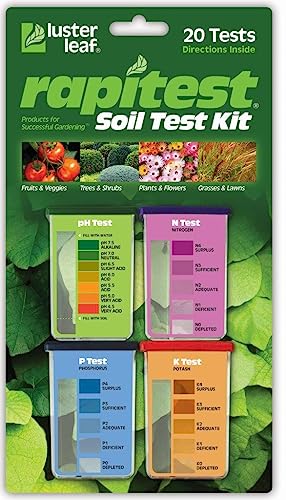
Quick, at home results for Soil pH, Nitrogen, Phosphorous and Potash Innovative and inexpensive soil test kit features an easy-to-use capsule system and patented color comparators

KNOW BEFORE YOU GROW | Grow the healthiest, sustainable lawn and garden with the most accurate and easy to use professional soil test kit on the market

Accurate Soil pH Testing: Dewildetradingco Soil pH Test Strips offer measurements of soil pH levels (pH 3.5-9). As an essential tool for every gardener and grower, these test strips help determine the optimal pH for various plants, such as outdoor plants, indoor plants, gardens, grass lawns, fruit trees, flowers, vegetables, and forest shrubs.
Choosing The Right Varieties
Selecting the right fruit tree varieties for your climate and soil type enhances growth and yields. Here are essential factors to consider:
- Climate Compatibility: Choose trees suited to your region’s climate. For example, apple trees thrive in cooler climates, while citrus trees prefer warmer areas.
- Soil Type: Test your soil to determine its pH and drainage capabilities. Peach trees prefer sandy, well-drained soil, whereas cherries can tolerate heavier clay soils.
- Space Requirements: Understand how large trees will grow. Dwarf varieties, like the Honeycrisp apple, require less space and produce abundantly in smaller areas.
- Varietal Diseases: Select disease-resistant varieties. For instance, certain apple tree varieties resist apple scab, reducing chemical treatments.
- Pollination Needs: Some trees require cross-pollination for fruiting. Plant multiple compatible varieties or consider self-pollinating options if space is limited.
Maintenance and Care
Proper maintenance and care are vital for healthy fruit trees. Follow these guidelines for successful growth:
- Watering: Ensure consistent moisture, especially during dry spells. Young trees require weekly watering, while established ones benefit from thorough deep watering every few weeks.
- Pruning: Regularly prune trees in late winter to remove dead or crowded branches. This practice encourages airflow and fruit production. Aim for a balanced shape to promote light penetration.
- Fertilizing: Use a balanced fertilizer in early spring to support robust growth. Conduct soil tests every few years to adjust nutrient levels appropriately.
- Pest Management: Monitor for pests and diseases routinely. Introducing beneficial insects, like ladybugs, can help control pests naturally. Chemical treatments may be necessary but apply them responsibly.
- Mulching: Apply organic mulch around the base of your trees. Mulch retains moisture, suppresses weeds, and enriches the soil as it breaks down.
By carefully selecting varieties and committing to regular maintenance, you can enjoy the numerous benefits that fruit trees offer while enhancing your land’s value.
Conclusion
Planting fruit trees isn’t just about enjoying fresh fruit; it’s about creating a richer experience on your property. These trees bring beauty and life to your land while boosting its value and sustainability. You’ll find that the benefits extend beyond your garden, positively impacting your community and the environment.
By choosing the right varieties and committing to their care, you can transform your space into a thriving ecosystem. Whether you’re looking to enhance your property’s appeal or simply enjoy the fruits of your labor, fruit trees are a fantastic addition. So why not start your journey today? Your land and your taste buds will thank you.
Frequently Asked Questions
What are the benefits of planting fruit trees on my property?
Planting fruit trees can enhance your property’s value, improve soil health, and provide a sustainable food source. They offer fresh fruit for personal enjoyment and can attract potential buyers due to their aesthetic appeal and economic benefits.
Which types of fruit trees are recommended for planting?
Some popular fruit trees to consider include apple, citrus, cherry, and peach trees. Each variety offers unique flavors and growing conditions, so choose those that are well-suited for your climate and soil type.
How do fruit trees improve soil health?
Fruit trees contribute to soil health through their root systems, which stabilize soil, reduce erosion, and enhance water retention. Additionally, fallen leaves decompose, enriching the soil with organic matter, which promotes overall soil fertility.
Can fruit trees increase my property value?
Yes, mature, well-maintained fruit trees can significantly boost your property’s value. They create a picturesque landscape and may lead to higher offers from potential buyers who appreciate their beauty and fresh produce.
What maintenance do fruit trees require?
Proper maintenance includes regular watering, pruning, fertilizing, and pest management. Consistent care will promote healthy growth and fruit production, ensuring your trees thrive and continue to enhance your landscape.
How can I engage my community with fruit trees?
You can foster community connections through shared harvesting events, fruit-picking days, and by donating produce to local food banks. Hosting educational workshops about fruit tree care can also stimulate community interest and involvement.
What factors should I consider when choosing fruit trees?
Consider the tree’s climate compatibility, soil type, space requirements, pollination needs, and disease resistance. Selecting the right varieties will enhance your success in growing fruitful and healthy trees on your property.
