

Have you ever wondered when those unique paw paw fruits are ready to pick? If you’ve planted a paw paw tree or just enjoy their creamy goodness, knowing the right time to harvest can make all the difference.
Key Takeaways
- Optimal Fruit Bearing Time: Paw paw trees typically bear fruit from mid-August to October, making late summer to early fall the best time for harvesting.
- Pollination Importance: Effective pollination, often facilitated by native pollinators, is crucial for enhancing fruit yield on paw paw trees.
- Ideal Growing Conditions: Paw paw trees thrive in well-drained, fertile soil with a pH between 5.5 and 7, and they require consistent moisture, especially during flowering and fruiting phases.
- Harvesting Techniques: Harvest paw paw fruit just before it falls, when the skin turns yellow and it yields slightly to pressure. Handle gently to avoid bruising.
- Nutritional and Culinary Benefits: Paw paw fruits are rich in vitamins, minerals, and antioxidants, adding both health benefits and unique flavor to a variety of dishes.
- Effective Storage: Store harvested paw paw in a single layer, and keep them at room temperature to maintain flavor and freshness; they last about 3 to 5 days after harvesting.
Understanding Paw Paw Trees
Paw paw trees produce unique fruit, and understanding their characteristics helps you cultivate them effectively.
Recommended Products

1.Grow Native Pawpaw Trees Plant Asimina triloba, commonly known as Pawpaw, a deciduous fruit tree valued for its tropical-looking foliage and unique fruit. Suitable for backyard orchards and edible landscapes.

Shipping Restrictions: We cannot ship to CA, AZ, AK, or HI - orders will be cancelled if you ship to one of these states

Soil and Growing Conditions: Prefers rich, well-drained soil, benefits from some afternoon shade when young, and is resistant to most pests and diseases once established
Overview of Paw Paw Trees
Paw paw trees (Asimina triloba) thrive in North America. They’re the largest edible fruit native to the United States, growing up to 6 inches long. Their creamy, custard-like flesh has a flavor reminiscent of banana or mango. These trees typically reach heights of 10 to 40 feet, with a wide, spreading canopy. When growing in clusters, they may benefit from cross-pollination, which enhances fruit yield.
Growth Requirements
Paw paw trees flourish in well-drained, fertile soil with a pH of 5.5 to 7. For optimal growth, provide partial to full shade, especially during their early years. They require consistent moisture, so regular watering is crucial, particularly in dry spells. Mulching around the base conserves moisture and suppresses weeds. Additionally, wait until spring to plant for the best results, as late frosts can damage young trees.
Fruit Bearing Cycle
Paw paw trees typically bear fruit from late summer to early fall, specifically around August through October. During this period, you can enjoy the sweet, custard-like fruits that develop on the trees.
Recommended Products
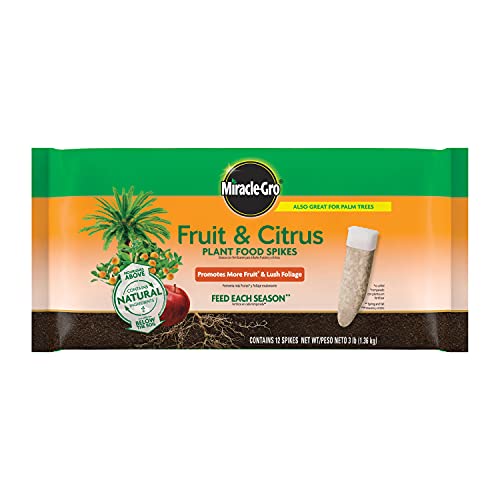
FORMULATED FOR CITRUS AND FRUIT TREES: Use these citrus fertilizer spikes on apple, orange, lemon, lime, and avocado trees; this formula is also great for feeding palm trees

Package contains 9 tree and shrub fertilizer spikes and are produced to avoid wasteful runoff, mess, hazards and smells

Let our professionally formulated plant food help your fruit tree grow healthy, strong AND abundantly producing
What Time of Year Do Paw Paw Trees Bear Fruit?
Paw paw trees produce fruit roughly 4 to 5 years after planting. Their flowering phase occurs in the spring, with blooms appearing from April to June. Pollination results in fruit formation, leading to a harvest-ready stage by late summer. Most trees present ripe fruits from mid-August to October, depending on local climate conditions. Picking fruits during this time ensures optimal taste and texture.
Factors Influencing Fruit Production
Several factors influence paw paw fruit production.
- Temperature: Warmer conditions favor flowering and fruit set. Healthy fruit development relies on consistent temperatures—typically between 70°F and 80°F—during the growing season.
- Pollination: Paw paw trees have distinct male and female flowers, making pollination crucial. Attracting native pollinators, like beetles and flies, increases fruit yields.
- Moisture: Sufficient moisture promotes fruit growth. Trees require well-drained soil with consistent moisture, especially during the flowering and fruit set phases.
- Soil Quality: Fertile soil rich in organic matter supports robust tree growth. A pH of 5.5 to 7 contributes to optimal nutrient availability.
- Tree Health: Regular maintenance, such as pruning, enhances air circulation and light penetration, which encourages fruit production.
By considering these factors, you can maximize the fruit yield from your paw paw trees.
Harvesting Paw Paw Fruit
Harvesting paw paw fruit at the right time ensures optimal flavor and texture. The paw paw season runs from mid-August to October. Understanding when to pick is crucial for enjoying this unique fruit.
Recommended Products

Lawn & Garden 13.5 in. Fruit Picker Head

Efficient Harvesting with a Curved Blade: The Zenport K101 Fruit Harvest Utility Knife features a 3-inch curved stainless steel blade that's perfect for precise slicing and easy handling, effectively tackling the harvest of grapes, melons, and a variety of other produce. This specialized tool minimizes time spent on each fruit, enabling you to optimize your productivity during peak harvesting seasons, ensuring a quick and seamless fruit collection process.

Ergonomic Design. Designed non-slip and plastic coating handle is easy to operate and it fits well on hand nor too heavy nor too light
Optimal Harvesting Time
Paw paw fruit reaches peak ripeness when the skin starts to turn yellow and yields slightly to gentle pressure. A good rule of thumb is to harvest fruit just before it falls from the tree, usually 1 to 3 days prior. Fruit can often be harvested once it turns soft but still holds its shape. Checking regularly helps catch the fruit at its best moment.
- Use Gentle Techniques: When picking, handle the fruit carefully to avoid bruising. Use scissors or clippers to cut the stem near the fruit rather than pulling it.
- Pick Early in the Day: Harvesting in the morning keeps the fruit cooler, which helps maintain quality.
- Store Properly: Place harvested paw paws in a single layer, stem side up. Keep them at room temperature. Ripe paw paws usually last about 3 to 5 days.
- Check for Ripeness: If paw paws are still firm, let them ripen indoors. They’ll continue to soften and develop flavor over several days.
Following these tips will help you enjoy the deliciousness of paw paw fruit.
Culinary Uses of Paw Paw Fruit
Paw paw fruit offers various culinary possibilities due to its unique flavor and texture. The fruit’s creamy consistency and sweet, tropical taste make it a delightful addition to many dishes.
Nutritional Benefits
Paw paw fruit is rich in nutrients, making it a healthy choice. It contains vitamins A, C, and B6, along with essential minerals like magnesium and potassium. The fruit provides dietary fiber, supporting digestive health. Additionally, paw paw contains antioxidants that may help reduce inflammation and promote overall well-being. Including paw paw in your diet can add nutritional value while indulging in its sweet flavor.
Recipe Ideas
Paw paw can be used in a variety of recipes. Here are some popular options:
- Smoothies: Blend paw paw with yogurt, spinach, and a splash of orange juice for a refreshing drink.
- Paw Paw Bread: Substitute banana in your favorite bread recipe with mashed paw paw for a unique twist.
- Paw Paw Pudding: Mix ripe paw paw with coconut milk and a little honey, then chill for a creamy dessert.
- Salads: Add diced paw paw to fruit salads or green salads for a tropical flavor boost.
- Sorbets: Puree paw paw with sugar and lemon juice, freeze, and churn to create a light sorbet.
By experimenting with these recipes, you can explore the delightful taste of paw paw in your meals.
Conclusion
Knowing when paw paw trees bear fruit can transform your gardening experience. With the right care and attention you’ll enjoy a bountiful harvest from late summer to early fall.
Make sure to monitor your trees from August to October and pick the fruit at just the right time for the best flavor. Whether you’re enjoying them fresh or whipping up delicious recipes you’ll appreciate the unique taste and health benefits of paw paw fruit.
So get ready to savor the fruits of your labor and make the most of this delightful treat!
Frequently Asked Questions
When is the best time to harvest paw paw fruit?
The best time to harvest paw paw fruit is from mid-August to October. The fruit reaches peak ripeness when the skin turns yellow and becomes slightly soft to the touch. It’s important to pick the fruit just before it falls from the tree to ensure optimal flavor and texture.
How long does it take for paw paw trees to bear fruit?
Paw paw trees typically bear fruit about 4 to 5 years after planting. After flowering in spring, which occurs between April and June, successful pollination leads to fruit development that matures over late summer to early fall.
What conditions do paw paw trees need to thrive?
Paw paw trees thrive in well-drained, fertile soil with a pH of 5.5 to 7. They prefer partial to full shade, especially in their early years, and require consistent moisture. Mulching helps conserve water and suppress weeds, promoting healthy growth.
How should I handle paw paw fruit after harvesting?
After harvesting, handle paw paw fruit gently to avoid bruising. It’s best to use scissors to cut the stem. Store the fruit in a single layer at room temperature and allow any firm fruits to ripen indoors for the best taste and texture.
What are the nutritional benefits of paw paw fruit?
Paw paw fruit is rich in vitamins A, C, and B6, along with essential minerals like magnesium and potassium. It provides dietary fiber and antioxidants, which support overall health. Including paw paw in your diet can enhance your nutrition while adding a tropical flavor to meals.
What are some uses for paw paw fruit in cooking?
Paw paw fruit can be used in various culinary creations such as smoothies, bread, puddings, salads, and sorbets. Its creamy consistency and sweet taste make it a versatile ingredient, perfect for both sweet and savory dishes. Experimenting with paw paw can lead to delicious results!
