

Spraying dormant oil on star fruit trees is essential for pest control and disease prevention. The optimal timing for this application is during the late winter to early spring, before new growth begins.
Dormant Oil Application Benefits for Star Fruit Trees
Applying dormant oil to star fruit trees offers several advantages that promote healthier growth and fruit production. This treatment helps control pests and diseases during the tree’s dormant period, ensuring that the plants emerge strong and resilient in the spring. Understanding these benefits is crucial for any gardener looking to optimize their star fruit harvest.
Dormant oil is a highly refined mineral oil that suffocates pests and prevents fungal diseases on trees. Applying this oil helps control overwintering insects such as scale and aphids. It also reduces the likelihood of diseases like powdery mildew.
Timing is critical for effective application. If applied too early, the oil may wash off with winter rains. If applied too late, it may not effectively target pests before they become active.
Recommended Products
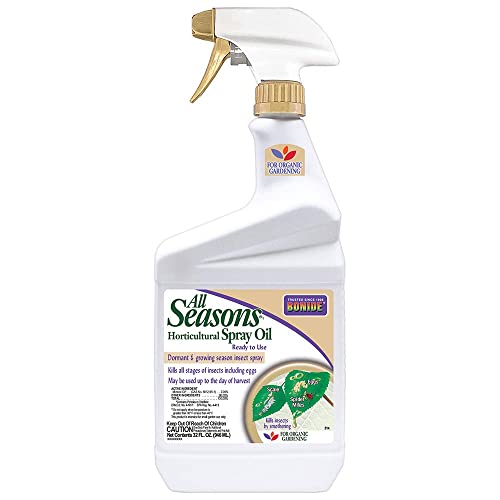
Control insects and diseases in your home garden with All Seasons Horticultural and Dormant Spray Oil Concentrate; use year-round to control listed insects and diseases

USE YEAR ROUND - Our 3-in-1 product provides year-round protection against insects, mites, and diseases. Can be used at the dormant stage, green tip stage, delayed dormant stage, and during the growing season to prevent pest infestations and disease.
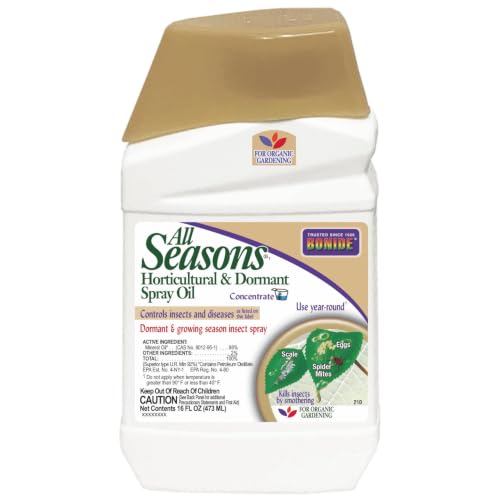
Control insects & diseases in your home garden with All Seasons Horticultural & Dormant Spray Oil Concentrate; use year-round to control listed insects and diseases
Optimal Dormant Oil Application Timing
Understanding the optimal timing for applying dormant oil on star fruit trees is crucial for effective pest management and tree health. This section delves into the best practices for timing your application, ensuring that your trees receive the protection they need during their dormant period. Proper timing can significantly enhance the efficacy of the treatment and promote vigorous growth in the upcoming season.
The best time to apply dormant oil is when temperatures are consistently above 40°F but before the buds begin to swell. This timing allows the oil to penetrate and coat the tree effectively.
Late Winter: Ideal for application, typically in February or early March.
Early Spring: Before new growth starts, usually late March to early April.
Avoid Frosty Days: Ensure no frost is expected for at least 24 hours post-application.
| Timing Period | Temperature Range | Growth Stage |
|---|---|---|
| Late Winter | Above 40°F | Dormant |
| Early Spring | Above 40°F | Pre-bud swell |
| Post-Bud Swell | Above 50°F | Active growth |
Dormant Oil Application Preparation Steps
Preparing for the application of dormant oil on star fruit trees is essential for effective pest management and tree health. This section outlines the necessary steps to ensure optimal timing and technique for applying dormant oil, helping to protect your trees during their dormant phase. Proper preparation can significantly enhance the efficacy of the treatment and promote healthier growth.
Preparation is crucial for successful application of dormant oil. Gather the necessary supplies and ensure the tree is healthy. Inspect the tree for any signs of damage or disease before applying the oil.
Gather Supplies: Purchase dormant oil, a sprayer, and protective gear.
Inspect Trees: Look for any signs of pests or diseases.
Clean Equipment: Ensure your sprayer is free from previous chemicals.
Dormant Oil Application Techniques for Star Fruit
Applying dormant oil to star fruit trees is a crucial step in protecting them from pests and diseases during their dormant period. Understanding the best techniques for application can enhance the effectiveness of the treatment, ensuring that the trees remain healthy and productive. This section delves into the specific methods and timing for applying dormant oil to optimize results.
Follow these steps to apply dormant oil effectively on star fruit trees. Proper technique ensures maximum coverage and effectiveness.
Mix Oil: Follow the manufacturer’s instructions for dilution.
Fill Sprayer: Pour the mixed solution into your sprayer.
Apply Evenly: Spray all surfaces of the tree, including branches and trunk.
Avoid Runoff: Ensure the oil does not run off the leaves.
Common Mistakes to Avoid
Applying dormant oil to star fruit trees can be beneficial, but timing and technique are crucial for effectiveness. Many gardeners make common mistakes that can hinder the treatment’s success or even harm the trees. Understanding these pitfalls will help ensure that your star fruit trees thrive while receiving the proper care they need during the dormant season.
Being aware of common mistakes can improve your application results. Avoid these pitfalls to ensure the best outcome.
Applying in Cold Weather: This can lead to poor absorption.
Skipping Inspection: Failing to check for pests can lead to ineffective treatment.
Over-Application: Too much oil can suffocate the tree.
Post-Application Monitoring for Star Fruit Trees
After applying dormant oil to star fruit trees, careful monitoring is essential to ensure the treatment’s effectiveness and the health of the trees. Observing for signs of pest activity and any adverse reactions will help in making timely adjustments to future care practices. This section outlines key indicators to watch for in the post-application phase.
After applying dormant oil, monitor your star fruit trees for any changes. Look for signs of pest activity or disease development.
Inspect Weekly: Check for any new pests or diseases.
Watch for New Growth: Ensure the tree is healthy and thriving.
Reapply if Necessary: If pests persist, consider a second application.
| Monitoring Action | Frequency | Purpose |
|---|---|---|
| Inspect Trees | Weekly | Check for pests |
| Observe Growth | Bi-weekly | Ensure health |
| Reapply Oil | As needed | Control pests |
Final Thoughts on Dormant Oil Use
In the care of star fruit trees, applying dormant oil is a crucial step for pest management and overall tree health. Understanding the optimal timing for this application can significantly enhance the effectiveness of the treatment. The following insights will clarify when to spray dormant oil to ensure your trees thrive.
Timing and technique are essential when applying dormant oil to star fruit trees. Proper application can lead to healthier trees and a better harvest. Always monitor your trees after treatment to ensure effectiveness.
