

Growing papaya trees in a pot in Missouri is feasible with the right care and conditions. These trees thrive in warm climates, but with proper techniques, homeowners can successfully cultivate them indoors or on patios.
Papaya Tree Growth Conditions in Missouri
Growing papaya trees in pots in Missouri requires careful consideration of specific growth conditions. The state’s climate and soil characteristics can pose challenges, but with the right strategies, you can cultivate healthy papaya plants. Understanding these essential conditions will help you maximize your chances of success in this unique gardening endeavor.
Papaya trees require specific conditions to flourish. They prefer well-draining soil and a sunny location. When growing in Missouri, consider the following factors:
Temperature: Ideal growth occurs between 70°F and 90°F.
Sunlight: Full sun exposure for at least 6 hours daily is crucial.
Watering: Regular watering is necessary, but avoid waterlogging.
This understanding will help in creating an optimal environment for your papaya tree.
Pot Size and Soil Selection for Papayas
Choosing the right pot size and soil is crucial for the successful growth of papaya trees in Missouri. The right combination not only supports healthy root development but also ensures adequate drainage and nutrient availability. Understanding these factors will help you create an optimal environment for your papaya trees to thrive in a pot.
Choosing the correct pot and soil is vital for the health of your papaya tree. A pot that is too small can restrict growth, while poor soil can lead to root rot.
Pot Size: Use a pot that is at least 5 gallons to allow for root expansion.
Soil Type: Opt for a potting mix that includes perlite or sand for drainage.
Recommended Products

[Enhanced Soil Aeration] - Perlite improves soil aeration, allowing roots to access oxygen more efficiently, which is crucial for healthy plant growth.
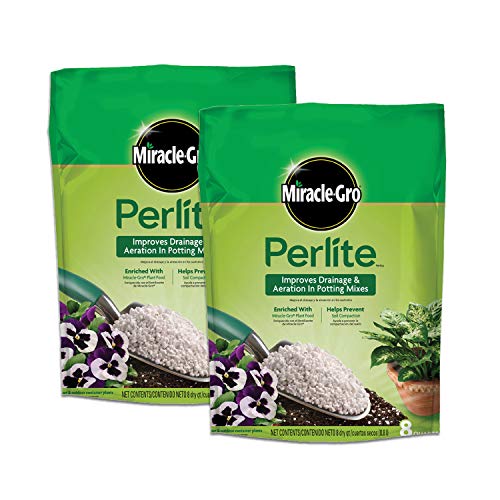
DRAINAGE AND AERATION: Miracle-Gro Perlite for plants improves drainage and aeration in potting mixes, and helps prevent soil compaction

READY TO USE MIXTURE - The same formulation as used by professional growers
Pot Size and Soil Requirements
Choosing the right pot size and soil for papaya trees is essential for their growth, especially in Missouri’s unique climate. Understanding these requirements can help ensure your papaya thrives, providing the nutrients and space necessary for healthy development. This section delves into the optimal pot dimensions and soil conditions that support robust papaya trees in containers.
| Pot Size | Soil Type | Drainage Quality | Sunlight Requirement |
|---|---|---|---|
| 5 gallons or larger | Well-draining potting mix | High | 6+ hours daily |
Optimal Watering and Fertilization for Papayas
Proper watering and fertilization are crucial for the health and productivity of papaya trees grown in pots, especially in Missouri’s unique climate. Understanding the specific needs of these tropical plants will help ensure they thrive, producing delicious fruit while adapting to container gardening. This section delves into the best practices for nurturing your potted papayas effectively.
Proper watering and fertilization are essential for healthy growth. Overwatering can lead to root rot, while under-watering can stunt growth.
Watering Frequency: Water when the top inch of soil feels dry.
Fertilization Schedule: Use a balanced liquid fertilizer every 4-6 weeks during the growing season.
Recommended Products

MADE FROM PLANTS: Miracle-Gro Organic Plant Food is an outdoor and indoor plant fertilizer made from plants for all plants for Successful Organic Gardening Made Attainable

🌱 COMPREHENSIVE PLANT NUTRITION: The 10-10-10 in our liquid plant fertilizer signifies a balanced blend of Nitrogen (N), Phosphorus (P), and Potassium (K), each contributing 10% to the total composition. Nitrogen is essential for promoting lush, vibrant foliage and overall growth, while Phosphorus is integral to root development and crucial for blooming and fruiting. Potassium, responsible for overall plant health.

DESIGNED FOR HOUSEPLANTS - Bonide Liquid Plant Food is specifically formulated for the unique needs of common indoor houseplants, such as orchids, succulents, ferns, and poinsettias.
Preventing Root Diseases in Potted Papayas
Preventing root diseases is crucial for the health of potted papaya trees, especially in Missouri’s unique climate. Understanding the common threats and implementing effective strategies can help ensure your papayas thrive. This section will explore key practices to safeguard your plants from root diseases and promote robust growth.
Avoid waterlogged soil to prevent root diseases.
Indoor vs Outdoor Papaya Tree Care in Missouri
When growing papaya trees in Missouri, understanding the differences between indoor and outdoor care is essential for thriving plants. Each environment presents unique challenges and benefits that can significantly impact growth, fruit production, and overall health. This section explores the specific care requirements for both indoor and outdoor papaya trees to help you make informed decisions.
In Missouri, consider whether to grow your papaya tree indoors or outdoors. Each option has its own set of requirements.
Recommended Products

Designed for Large & Tall Indoor Plants:Designed specifically for large indoor plants and tall plants that need stronger and wider light coverage. Helps big plants thrive even in low-light areas like living rooms, corners, or offices.Provides full spectrum light (380nm–800nm) to support every stage of plant growth. A perfect sunlight replacement for indoor plants.
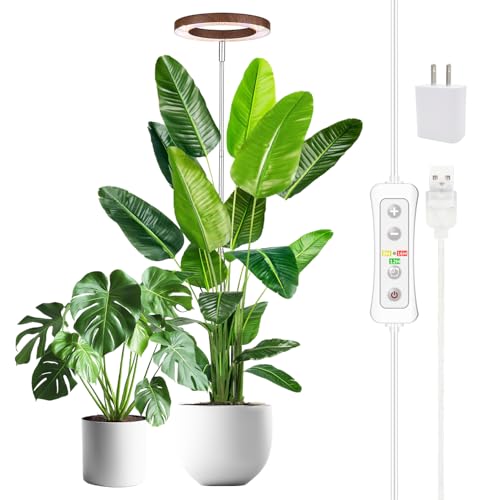
Designed for Large & Tall Indoor Plants:Designed specifically for large indoor plants and tall plants that need stronger and wider light coverage. Helps big plants thrive even in low-light areas like living rooms, corners, or offices.Provides full spectrum light (380nm–800nm) to support every stage of plant growth. A perfect sunlight replacement for indoor plants.

Designed for Large & Tall Indoor Plants:Designed specifically for large indoor plants and tall plants that need stronger and wider light coverage. Helps big plants thrive even in low-light areas like living rooms, corners, or offices.Provides full spectrum light (380nm–800nm) to support every stage of plant growth. A perfect sunlight replacement for indoor plants.
Indoor Papaya Cultivation Techniques
Growing papaya trees indoors can be a rewarding endeavor, especially for those in Missouri looking to enjoy fresh fruit year-round. This section will explore effective techniques for cultivating papayas in pots, focusing on optimal conditions, care requirements, and tips to ensure healthy growth in an indoor environment.
Growing indoors allows for better temperature control. Ensure the following:
Light Source: Use grow lights if natural sunlight is insufficient.
Humidity: Maintain higher humidity levels with a humidifier.
Optimal Outdoor Locations for Papaya Trees
Finding the right outdoor location for papaya trees in Missouri is crucial for their growth and fruit production. The ideal spot should provide ample sunlight, protection from harsh winds, and well-drained soil. Understanding these environmental needs will help ensure that your potted papaya trees thrive in the local climate.
If growing outdoors, choose a sheltered location. Factors to consider include:
Frost Protection: Bring pots indoors during frost.
Wind Protection: Locate the tree near a wall or fence for windbreak.
Pest and Disease Monitoring Techniques
Monitoring pests and diseases is crucial for the health of papaya trees grown in pots, especially in Missouri’s unique climate. Implementing effective techniques can help homeowners identify potential threats early, ensuring robust growth and fruit production. Understanding these monitoring strategies will empower gardeners to maintain thriving papaya trees in their backyards.
Regular monitoring for pests and diseases is crucial. Common issues include aphids and fungal infections.
Pest Control: Use insecticidal soap for aphids.
Disease Prevention: Ensure good air circulation around the plant.
Pest Management Strategies for Potted Papayas
Managing pests is crucial for the health of potted papaya trees, especially in Missouri’s unique climate. Understanding the common pests that affect these tropical plants and implementing effective management strategies can help ensure robust growth and fruitful yields. This section explores practical approaches to protect your papayas from unwanted invaders.
| Pest/Disease | Symptoms | Treatment |
|---|---|---|
| Aphids | Yellowing leaves | Insecticidal soap |
| Root rot | Wilting, yellowing | Reduce watering |
| Powdery mildew | White powdery spots | Fungicide |
Optimal Papaya Harvest Indicators
Understanding the optimal indicators for harvesting papayas is crucial for maximizing yield and flavor. In Missouri’s unique climate, recognizing the signs of ripeness can make all the difference in enjoying this tropical fruit at its best. This section delves into the specific cues that signal when your papaya is ready for picking.
Knowing when to harvest is key to enjoying your papaya fruits. Look for the following indicators:
Color Change: Fruits turn from green to yellow.
Softness: Gently squeeze the fruit; it should yield slightly.
Optimal Harvest Timing for Pot-Grown Papayas
Understanding the optimal harvest timing for pot-grown papayas is crucial for maximizing flavor and yield. In Missouri’s unique climate, recognizing the signs of ripeness can significantly enhance your gardening success. This section delves into the best practices and indicators to ensure your papayas are harvested at their peak.
Harvest at the right time for the best flavor and texture.
Winterizing Potted Papaya Trees in Missouri
Winterizing potted papaya trees in Missouri requires careful planning to protect these tropical plants from cold temperatures. Understanding the specific needs of papayas during winter months will ensure their survival and health, allowing homeowners to enjoy their vibrant foliage and potential fruit production when warmer weather returns. Here are essential strategies for successfully winterizing your potted papaya trees.
Missouri winters can be harsh. Preparing your papaya tree for winter is essential for its survival.
Indoor Transition: Move the tree indoors before the first frost.
Temperature Monitoring: Keep indoor temperatures above 60°F.
By following these steps, homeowners can successfully grow and enjoy papaya trees in pots, even in Missouri’s variable climate.
