

Have you ever wondered when’s the perfect time to plant fruit trees? Timing can make all the difference between a thriving orchard and a disappointing garden. Whether you’re dreaming of juicy apples or sweet peaches, knowing when to plant is key to your success.
Key Takeaways
- Timing is Crucial: The best time to plant fruit trees depends on whether they are cool-season (e.g., apples, pears) or warm-season (e.g., peaches, figs) varieties, with spring and fall being ideal seasons for planting.
- Soil Temperature Matters: Ensure the soil temperature is at least 60°F for optimal fruit tree growth; this can be checked using a soil thermometer.
- Consider Local Climate: Be aware of your region’s hardiness zone, as it significantly affects the timing of planting. Northern areas may require earlier spring planting, while southern areas can plant later.
- Proper Planting Techniques: Follow correct planting steps, including site preparation, proper hole digging, and adequate mulching to encourage healthy tree development.
- Maintenance is Key: Post-planting care, such as regular watering, fertilization, and pruning, is essential for promoting healthy growth and maximizing fruit yield.
- Spring vs. Fall Planting: While spring planting aligns with natural growth cycles and provides ample rainfall, fall planting promotes strong root systems in cooler weather, allowing trees to thrive when warm weather returns.
Understanding Fruit Tree Planting
Timing plays a critical role in the successful planting of fruit trees. Several factors influence the optimal planting time, including the type of tree, your location, and the local climate.
Cool-Season vs. Warm-Season Trees
Plant cool-season trees, such as apples and pears, in early spring or late fall. These trees thrive when temperatures are cool, allowing them to establish roots before warmer weather arrives.
Plant warm-season trees, like peaches and figs, when the risk of frost has passed, typically in late spring. These trees benefit from warmer soil temperatures, which encourage growth.
Soil Temperature and Conditions
Check the soil temperature before planting. Most fruit trees prefer soil that is at least 60°F. Use a soil thermometer to ensure the conditions are ideal. Well-drained, fertile soil leads to healthier trees and better fruit yield.
Local Climate Considerations
Consider your local climate zone. Hardiness zones influence the best planting times. For instance, northern regions experience a shorter growing season and may need early planting in spring, while southern regions can plant later into the spring.
Planting Steps
- Select the Right Tree: Choose a tree based on your climate and soil. Research local varieties for the best yield.
- Prepare the Site: Clear debris, check drainage, and amend soil with organic matter if needed.
- Dig the Hole: Make the hole twice as wide and the same depth as the root system. This encourages roots to spread.
- Plant: Position the tree in the hole, ensuring the graft union sits above soil level. Fill with soil and water thoroughly.
- Mulch: Apply mulch around the base to retain moisture and regulate soil temperature.
Maintenance After Planting
Once planted, monitor your trees. Water regularly, especially during dry spells. Fertilize in early spring with a balanced fertilizer to promote growth, and prune as needed to shape the tree.
By timing your planting correctly and following these steps, you’ll increase the chances of a bountiful harvest from your fruit trees.
Climate Considerations
Understanding climate factors is essential for successful fruit tree planting. Seasonal temperature variations and regional differences significantly influence the best planting times.
Recommended Products


Multi-Variety Seeds: Contains lemon, apple, blueberry, orange, and cherry seeds, totaling over 150 seeds.

Product Quantity: 180+ premium bonsai fruit seeds across 5 varieties; Individual packs contain 40+ apple, 40+ lemon, 40+ orange, 20+ blueberry, and 40+ cherry seeds; Perfect for starting a diverse miniature orchard
Seasonal Temperature Variations
Temperature changes throughout the year affect soil conditions and tree growth. Cool-season trees, such as apples and pears, thrive when temperatures range between 50°F and 75°F. Plant these trees in early spring or late fall, when temperatures are mild. Warm-season trees, like peaches and figs, favor warmer temperatures; planting in late spring ensures they won’t face frost, as they prefer temperatures above 60°F. Always monitor local frost dates to avoid delays.
Regional Differences
Your location within a hardiness zone determines the best planting time for fruit trees. For instance, zones with milder winters may allow for earlier planting, while harsher regions may require late spring planting. Consult the USDA Hardiness Zone Map to identify your zone and its temperature ranges. Adapt your planting schedule to align with regional climate patterns and seasonal transitions, ensuring healthier trees and improved yields.
Types of Fruit Trees
Understanding the types of fruit trees helps you plan your orchard effectively. Fruit trees generally fall into two categories: deciduous and evergreen.
Deciduous Fruit Trees
Deciduous fruit trees lose their leaves seasonally, making them well-suited for cooler climates. They often bear fruit in late spring or summer and require specific seasonal care. Common examples include:
- Apple Trees: These thrive in hardiness zones 3 to 8. Plant them in early spring or late fall for optimal growth.
- Pear Trees: Similar to apples, pears do best in zones 4 to 9. Late winter or early spring planting works well.
- Peach Trees: Preferring warmer climates, peach trees grow best in zones 5 to 9. Plant after the last frost in late spring.
Deciduous trees benefit from soil temperatures of at least 60°F. Apply mulch around the base to conserve moisture and suppress weeds.
Evergreen Fruit Trees
Evergreen fruit trees maintain their foliage year-round, providing continuous benefits to your garden. They typically bear fruit in warmer months. Examples include:
- Citrus Trees: Growing well in zones 9 to 11, trees like lemon and orange thrive in sunny areas. Plant them after the last frost.
- Avocado Trees: These trees flourish in warmer climates, primarily in zones 9 to 11. Late spring planting yields the best results.
- Fig Trees: Figs adapt well to a range of conditions. Plant in zones 6 to 10 in late spring for a bountiful harvest.
Evergreen trees require consistent watering, especially during dry spells. Ensure they receive full sun for optimal fruit production.
Recommended Planting Times
Timing plays a crucial role in the successful establishment of fruit trees. Understanding the best time to plant ensures healthy growth and fruitful yields.
Recommended Products

🌱 4 Unique Fruit Bonsai Varieties: Includes 40 total seeds: 10 Papaya, 10 Peach, 10 Cherry, and 10 Banana seeds. A fun and unique collection for growing miniature fruit trees and experimenting with bonsai growing techniques.
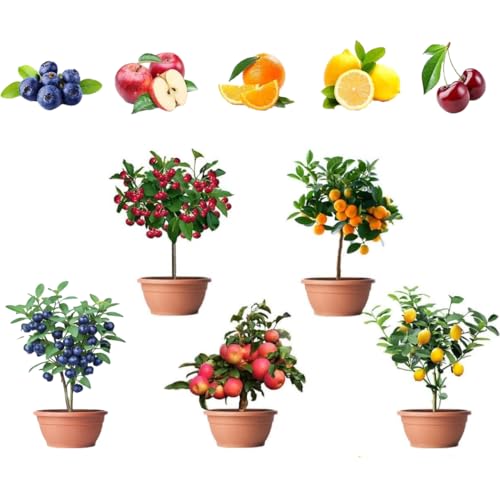
Variety Pack of 5 Fruits: Includes 40 Lemon seeds, 40 Orange seeds, 40 Apple seeds, 20 Cherry seeds, and 20 Blueberry seeds for a colorful and diverse home garden

Package: 5 Individual Packs, 40+ Lemon Tree Seeds 40+ Cherry Tree Seeds 40+ Orange Tree Seeds 40+ Apple Seeds 20+ Blueberry Seeds
Spring Planting Advantages
Spring offers an ideal opportunity for planting fruit trees. The warming soil temperature promotes root development. You should target early spring, right after the last frost. This timing allows trees to acclimate and establish before the summer heat.
Spring planting also aligns with the natural growth cycle of deciduous trees. For instance, apple and pear trees benefit from being planted during this period. You can often find a wider selection of healthy seedlings in nurseries since spring is a popular planting season. Additionally, your trees will gain exposure to abundant rainfall, reducing the need for immediate irrigation.
Fall Planting Benefits
Fall provides several advantages for planting fruit trees as well. Planting during this season allows trees to focus on root development while the weather is still mild. You should plant in early fall, giving your trees enough time to establish before winter arrives.
Fall planting encourages strong root systems. As the top growth slows down, roots continue to grow in warm soil. For example, peach or cherry trees planted in fall often emerge healthier. You also benefit from reduced competition from weeds, which are less active during cooler months. Over time, your trees will be ready to burst into growth come spring, ensuring a vigorous start to their first growth season.
Conclusion
Timing’s everything when it comes to planting fruit trees. By choosing the right season and paying attention to local climate conditions you can set yourself up for a thriving orchard. Whether you opt for cool-season trees in early spring or warm-season varieties after the frost you’re making a smart move for your garden.
Don’t forget to check your soil temperature and ensure it’s well-drained and fertile. With a little planning and care your fruit trees will reward you with bountiful harvests for years to come. Happy planting!
Frequently Asked Questions
When is the best time to plant fruit trees?
The best time to plant fruit trees depends on the type. Cool-season trees like apples and pears should be planted in early spring or late fall. Warm-season trees, such as peaches and figs, should be planted in late spring after the frost risk has passed.
How does local climate affect fruit tree planting?
Local climate is crucial for determining the optimal planting time. Factors like hardiness zones, seasonal temperature variations, and frost dates influence when to plant. It’s essential to understand these elements to ensure healthy tree growth.
What type of soil is best for fruit trees?
Fruit trees thrive in well-drained, fertile soil with a temperature of at least 60°F. Testing the soil beforehand can help create optimal conditions for healthy growth and a better fruit yield.
What are the differences between deciduous and evergreen fruit trees?
Deciduous fruit trees, like apple and peach trees, lose their leaves seasonally and prefer cooler climates. Evergreen fruit trees, such as citrus and avocado, retain their leaves year-round and thrive in warmer areas.
What maintenance is required after planting fruit trees?
Post-planting maintenance includes regular watering, early spring fertilizing, and pruning. These practices help establish stronger trees and increase the likelihood of a bountiful harvest.
Why is spring planting advantageous?
Spring planting is beneficial because warming soil temperatures promote root development and align with the natural growth cycle of deciduous trees, allowing them to acclimate before the summer heat.
Can I plant fruit trees in the fall?
Yes, planting in early fall allows trees time to establish their root systems during mild weather, which can lead to stronger growth in spring and less competition from weeds.
