

Are your fruit trees looking a bit unruly? You’re not alone. Many gardeners struggle with knowing the right time to trim their trees for optimal growth and fruit production. Timing is everything when it comes to pruning, and getting it wrong can lead to poor yields or even damage your trees.
Key Takeaways
- Optimal Pruning Months: The ideal months for pruning fruit trees are January to March (dormant season) and late June to August (summer pruning) to promote healthy growth and fruit production.
- Pruning Techniques: Utilize thinning cuts to improve airflow and light, heading cuts to encourage bushier growth, and clean cuts to reduce disease risks.
- Avoid Over-Pruning: Limit pruning to no more than 25% of the canopy in one season to prevent stress on the tree and maintain consistent growth.
- Consider Tree Species and Climate: Different fruit tree species and regional climate conditions influence the best pruning times and methods, so tailor your approach accordingly.
- Common Pruning Mistakes: Avoid pruning at the wrong time, over-pruning, using dull tools, and neglecting the tree’s natural shape to ensure tree health and optimal yields.
- Monitor Tree Health: Regularly inspect your trees for signs of disease or stress to adapt your pruning strategy effectively and enhance overall tree vitality.
Understanding Fruit Tree Pruning
Pruning fruit trees serves multiple purposes, including enhancing growth, improving fruit quality, and maintaining shape. Proper timing and technique matter significantly.
Best Months for Pruning
- Dormant Season (Late Winter to Early Spring): January to March is ideal for most fruit trees. This period allows for easy visibility of tree structure, without leaves obstructing your view.
- Summer Pruning (Late June to August): You might prune during this time to control growth or remove damaged branches. Summer pruning can also redirect energy to fruits instead of excessive foliage.
Key Techniques
- Thinning Cuts: Remove branches to improve air circulation and light penetration. Better airflow lowers disease risk, and increased light promotes fruit development.
- Heading Cuts: Shorten branches to encourage bushier growth and stimulate new shoots. Be cautious, as over-heading may lead to weaker trees.
- Clean Cuts: Use sharp, sanitized tools, like pruning shears or loppers. Clean cuts heal faster, minimizing potential area for disease entry.
Common Questions
- What Happens If I Prune at the Wrong Time?: Pruning too early might expose new growth to frost. Pruning too late can remove buds necessary for this year’s crop.
- How Much Should I Trim?: Remove no more than 25% of a tree’s canopy in one season. This practice encourages consistent growth without stressing the tree.
- Assess Your Tools: Ensure your pruning tools are sharp and free from rust. Proper tools ensure effective cuts and reduce tree damage.
- Monitor Tree Health: Watch for signs of disease or stress, which may require adjustments in your pruning strategy.
Following these guidelines helps ensure healthy fruit trees capable of producing abundant harvests.
Best Months to Trim Fruit Trees
Timing plays a crucial role in successful fruit tree pruning. By choosing the right months, you enhance tree health and boost fruit production.
Recommended Products
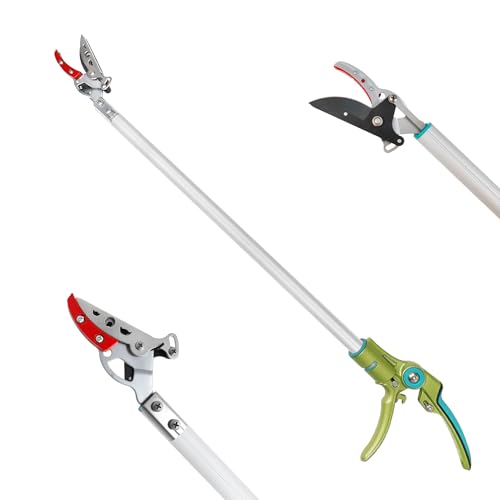
[REACH HIGH & STAY SAFE](No Ladder Required) Say goodbye to wobbly ladders! This 32inch long reach pole pruner offers an extra 30 inches of safe reach, allowing you to prune high branches or tall fruit trees while standing firmly on the ground. It’s the perfect extension tool for maintaining your backyard without the risk of falling.


UPGRAFE PROFESSIONAL GARDENING GRAFTING TOOLS: Professional grafting set, including 2 in 1 grafting pruning tools, 3 replaceable blades, a grafting knife, a pruning shears, a screwdriver, a wrench, 3 grafting films, and 45 colorful tag cards
Winter Pruning
Winter pruning occurs between January and March. During this period, trees enter dormancy, making it easier to see their structure. Focus on removing dead or damaged branches. This clears space for new growth and prevents disease. It’s advisable to cut back about 15-20% of the tree’s overall size. Use sharp, confined tools to ensure clean cuts.
Spring Pruning
Spring pruning happens after the last frost but before buds start to swell, typically in March or April. This timing allows you to shape branches that have survived winter. Prioritize trimming excess growth to enhance sunlight penetration. Aim to remove around 10% of live growth to encourage blooming. Avoid major cuts during this phase to preserve energy needed for fruit development.
Summer Pruning
Summer pruning takes place from late June to August. This method controls tree size and directs energy toward developing fruit. Focus on thinning excess growth and removing water sprouts—those straight shoots growing towards the sky. You can cut back 10-20% of new growth. Opt for this time if you notice overgrown areas hindering sunlight access. Summer pruning can also help to shape the tree for future seasons.
By following these guidelines for pruning in winter, spring, and summer, you promote healthier and more productive fruit trees.
Factors Influencing Pruning Timelines
Pruning timelines for fruit trees depend on several crucial factors. Understanding these elements ensures effective cuts for healthy, productive trees.
Recommended Products

CLEAN CUTS FOR LIVE GROWTH: Bypass blade design is ideal for pruning delicate flower stems and green growth, helping reduce crushing and plant damage while cutting stems and small branches up to 5/8” in diameter

Reduce Hand Strain: These micro tip snips are made to reduces hand fatigue which makes them great for those with arthritis, carpal tunnel, hand or wrist issues; Comfortable “grip” handles will make it easy to work for long-time use without making you feel hand pain

LONG-LASTING SHARPNESS: Japanese SK5 bypass blade with titanium coating is tested through 5,000 cuts to maintain a sharp edge and deliver clean, consistent cuts on live stems and branches
Tree Species
Different tree species require unique pruning times. For instance, apple and pear trees benefit from winter pruning, typically between January and March. This period allows for better visibility and simplifies decisions. Stone fruits like cherries and peaches, on the other hand, thrive with spring pruning after the last frost. Each species has specific growth patterns, and recognizing these helps minimize damage and optimize fruit yield.
Climate Conditions
Climate plays a vital role in determining the right pruning time. In colder regions, winter pruning remains safe due to trees being dormant. Conversely, in milder climates, you can experience earlier bud development, pushing pruning into late winter or early spring. Always consider local frost dates and historical weather patterns. Adjusting your pruning schedule based on actual conditions promotes healthier trees and better fruit production.
Stay informed about your specific tree species and local climate to fine-tune your pruning approach. Keeping these factors in mind helps in maximizing growth and fruit quality.
Common Mistakes in Pruning
Pruning fruit trees can lead to mistakes that hinder growth and fruit production. Recognizing these common errors helps you avoid them.
Recommended Products

· ULTRA-SHARP SK5 STAINLESS STEEL - Engineered with premium SK5 stainless steel, these heavy duty pruning shears deliver razor-sharp precision and maximum hardness. The rust-resistant blades are designed to stay sharp longer, effortlessly resisting corrosion and sap buildup for smooth, friction-free garden shears performance year after year.

DUAL CUTTING POWER: VERSATILE PRUNING COMBO --- With both Pruning Shears and Pruning Snip, this combo delivers unmatched versatility. Whether you're delicately trimming flowers and shrubs, tackling thicker tree branches, or tending to your vegetable and fruit garden, our combo pack excels in all areas. They're also perfect for landscaping projects and maintaining the health and appearance of indoor plants. With this pack, you have a versatile tool that simplifies your gardening tasks.
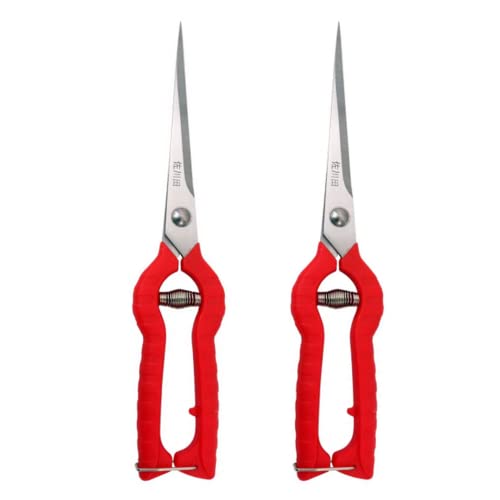
Total length : 245 mm blade length : 96 mm handle length : 122 mm closed handle width : 45 mm
Pruning at the Wrong Time
Pruning during the wrong season can negatively impact tree health. For instance, winter pruning too late may expose trees to frost damage. Conversely, pruning early in spring can cause sap loss and impact blooming.
Over-Pruning
Removing too many branches at once stresses the tree. Aim to remove only 10-20% of the tree’s size in a single session. Incremental cuts allow the tree to adjust and support healthy growth.
Using Dull or Unclean Tools
Dull tools can lead to jagged cuts, increasing the risk of disease. Keep your pruners sharp and sterilized to ensure clean cuts. Clean tools reduce the likelihood of transferring pathogens between trees.
Ignoring Tree Shape
Failing to consider the natural shape of the tree can produce unwanted growth patterns. Follow the tree’s structure when pruning. Maintain an open center for better light penetration and air circulation.
Neglecting Tree Health
Overlooking signs of disease or pest infestations can lead to poor tree health. Always inspect trees before pruning. Address any issues to ensure they thrive after pruning.
Improper Cuts
Making improper cuts, like leaving stubs or cutting too close to the trunk, can cause harm. Use the correct type of cut, such as thinning cuts to reduce density, and clean cuts to promote healing.
Pruning Water Sprouts
Ignoring water sprouts, which grow straight up, can interfere with fruit production. Remove these sprouts during summer pruning to redirect energy towards fruit-bearing branches.
Not Considering Tree Species
Different tree species have unique pruning needs. For example, apple trees benefit from winter pruning, while peach trees thrive with spring pruning. Research your specific tree type to tailor your approach.
By avoiding these common mistakes, you can maximize your fruit tree’s health and productivity, ensuring fruitful yields for the growing season.
Conclusion
Timing your fruit tree pruning can make all the difference in their health and productivity. By understanding the best months to prune and applying the right techniques you can set your trees up for success. Remember that each species has its own needs and local climate conditions can also affect your timing.
Stay attentive to your trees’ growth and health throughout the year. With a little patience and care you’ll enjoy a bountiful harvest and beautiful trees. Happy pruning!
Frequently Asked Questions
When is the best time to prune fruit trees?
Pruning fruit trees is best done during their dormant season, typically from January to March. This timing allows you to see the tree structure clearly and enables effective cuts. Summer pruning, which can take place from late June to August, is also beneficial for controlling growth and directing energy towards fruit development.
How much should I prune my fruit trees?
For effective pruning, aim to remove about 15-20% of the tree’s size during winter pruning. In spring, limit your cuts to around 10% of the live growth. When summer pruning, a 10-20% reduction of new growth is recommended to help manage tree size and improve fruit quality.
What techniques should I use for pruning?
Key pruning techniques include thinning cuts, heading cuts, and making clean cuts. Thinning cuts remove entire stems to improve airflow and sunlight, while heading cuts shorten branches to encourage bushier growth. Always ensure your tools are sharp and sanitized to promote healthy cuts.
What are common mistakes in pruning fruit trees?
Common pruning mistakes include pruning at the wrong time, over-pruning, using dull tools, ignoring the tree’s natural shape, and neglecting tree health. Proper cuts and timing are crucial for ensuring healthy growth and maximizing fruit production.
How do climate and species affect pruning schedules?
The best pruning time can depend on tree species and local climate. For instance, apple and pear trees generally benefit from winter pruning, while stone fruits like cherries and peaches should be pruned in spring. In colder areas, winter pruning is safe, but in milder regions, adjust based on frost dates.
