

Have you ever wondered when those delicious apples will be ready to pick? If you’ve planted an apple tree or just enjoy the fruits of others’ labor, knowing the right month for apple harvesting can make all the difference.
Key Takeaways
- Harvest Timing: Apple trees typically produce fruit from late summer to early fall, with specific ripening periods varying by variety.
- Growth Phases: Apple trees go through stages of germination, seedling, juvenile, and maturity, affecting when they will bear fruit.
- Key Influencing Factors: Temperature, soil quality, consistent watering, and pollination significantly impact apple fruit production.
- Varietal Differences: Different apple varieties, such as ‘Gala’ and ‘Granny Smith’, have unique harvest months, ranging from late August to October.
- Best Practices: Regular pruning, pest management, and soil care are essential for healthy apple trees and optimal fruit yield.
- Seasonal Awareness: Understanding climate and seasonal conditions is crucial for maximizing apple production and preventing cold weather damage.
Understanding Apple Trees
Apple trees follow a specific life cycle and respond to various factors that influence their fruit production. Knowing these aspects helps you optimize harvesting efforts.
Life Cycle of Apple Trees
Apple trees generally exhibit a life cycle that includes several key stages: germination, seedling, juvenile, and maturity.
- Germination: Apple seeds sprout when conditions are favorable, typically in spring.
- Seedling: In the first year, young seedlings require proper care, including sunlight and water.
- Juvenile: Trees enter the juvenile phase after one or two years. During this time, foliage grows dense, and root systems expand.
- Mature: Generally between four to six years, trees mature and start producing fruit. A healthy apple tree can produce fruit for up to 30 years.
Factors Influencing Fruit Production
Several factors influence how and when apple trees produce fruit:
- Temperature: Apple trees thrive in temperate climates. Winter chilling hours are crucial for flowering in spring.
- Soil Quality: Well-drained, loamy soil promotes healthy root development and fruit yield. pH levels between 6.0 and 7.0 are ideal.
- Watering: Consistent watering supports growth. While trees need water, overwatering can lead to root rot.
- Pollination: Cross-pollination from different apple varieties enhances fruit set. Planting compatible apple trees nearby boosts yields.
Understanding these elements enables you to maximize your apple tree’s potential for fruitful harvests.
What Month Do Apple Trees Produce Fruit?
Apple trees typically produce fruit from late summer to early fall. The exact timing varies based on several factors, including climate conditions and tree variety.
Recommended Products

▲【Large Fruit Picker Basket】Our orange picker pole comes with metal twist on basket( 9"x5.5"x5.5") for apple, pear, orange, avocado, peach, pecan, pomegranate, lime, papaya, plum, mango tree and persimmon tree picker in four seasons.
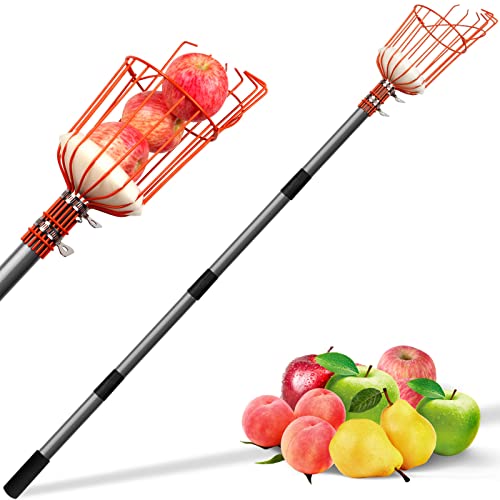
【Gentle Harvesting& Less Bruising】:This fruit picker basket features a cushioned foam pad that gently absorbs impact when fruits drop, helping reduce bruising and damage. The large-capacity metal basket is suitable for fruits ranging from 1-5.5 inches in diameter. Such as apples, mangoes, cherries, and other fruits, it ensures cleaner and safer picking with less waste.

𝐆𝐞𝐧𝐭𝐥𝐞 𝐅𝐫𝐮𝐢𝐭 𝐇𝐚𝐫𝐯𝐞𝐬𝐭𝐢𝐧𝐠: Home-X fruit picking basket features uniquely designed finger-like prongs that gently grasp and pull apples, peaches, and more from branches without causing bruising or damage to the delicate fruit.
General Timeline for Apple Production
Most apple trees start bearing fruit between late August and October. Here’s a general timeline for apple production:
- Late August to Early September: Early varieties, such as ‘Gala’ and ‘McIntosh,’ may begin ripening.
- Mid to Late September: Mid-season varieties, like ‘Honeycrisp’ and ‘Fuji,’ generally reach maturity.
- Early October: Late-ripening varieties, such as ‘Braeburn’ and ‘Granny Smith,’ are ready for picking.
Monitoring your local climate and planting zone helps determine the optimal harvest month for your trees.
Variability Among Different Apple Varieties
Different apple varieties produce fruit at different times. Here are a few examples of common apple varieties and their harvest months:
- ‘Gala’: Ready from late August to early September.
- ‘Jonathan’: Typically harvested in late September.
- ‘Fuji’: Available from late September to early October.
- ‘Granny Smith’: Harvested throughout October.
Understanding the specific characteristics of your apple variety ensures you pick the fruit at peak ripeness.
Best Practices for Apple Tree Care
Caring for apple trees involves regular maintenance and attention to pests and diseases. Following best practices helps ensure healthy trees and a fruitful harvest.
Recommended Products

Adjustable and Durable Handle - Extendable Loppers: The lopping shears are adjustable from 16 inches to 24 inches, allowing you to handle tall branches easily. The iron arm is more sturdy and durable, and will not bend even when cutting large and thick branches.

· ULTRA-SHARP SK5 STAINLESS STEEL - Engineered with premium SK5 stainless steel, these heavy duty pruning shears deliver razor-sharp precision and maximum hardness. The rust-resistant blades are designed to stay sharp longer, effortlessly resisting corrosion and sap buildup for smooth, friction-free garden shears performance year after year.

2-in-1 Gardening Tool Combo Set: This kit includes both a mini Chainsaw 6-inch cordless and electric pruning shears—two essential tools for yard and garden maintenance. The cordless design offers excellent mobility, allowing easy operation even in tight or hard-to-reach spaces. Buying the combo saves time and money, letting you handle heavy cutting and fine pruning without purchasing separate tools
Pruning and Maintenance
Pruning promotes healthy growth and fruit production. Follow these steps for effective pruning:
- Timing: Prune during late winter or early spring before the new growth begins.
- Tools: Use clean, sharp pruning shears and loppers to make precise cuts.
- Technique: Remove dead, damaged, or crossing branches. Focus on an open center for better sunlight and air circulation.
- Annual pruning: Assess tree growth annually and trim as needed to maintain shape and promote fruiting wood.
Additionally, maintain proper soil conditions and mulch around the base to retain moisture and suppress weeds.
Pest and Disease Management
Managing pests and diseases protects the health of your apple trees. Implement these strategies:
- Identification: Regularly inspect trees for signs of pests or disease. Look for holes in leaves, discoloration, or unusual growth patterns.
- Preventive measures: Use tree netting to protect against birds and use organic repellents for pests like aphids and mites.
- Monitoring: Set traps for codling moths or use sticky traps to catch flying insects. Check traps regularly.
- Fungicide application: Apply fungicides during flowering to prevent diseases like apple scab but follow label instructions for timing and application rates.
By staying proactive about tree care, you increase the chances of a successful and bountiful apple harvest.
Seasonal Considerations
Understanding seasonal factors enhances your apple harvesting success. Various elements like climate and cold weather significantly influence fruit production.
Recommended Products

Revolutionary Anti-freeze Protection: Plant covers freeze protection is made of 100% Reliable non-woven thickened polypropylene fabric Because the frost cloth fabric Thickness is 3.2 oz/yd² thicker and warmer, tear resistant than less expensive 1.3 oz/yd² fabric. Provides up to 2° F(-17℃) frost protection. In winter, frost blankets for outdoor plants can form a insulation layer for plants to isolate cold air and retain the oxygen required for plant respiration
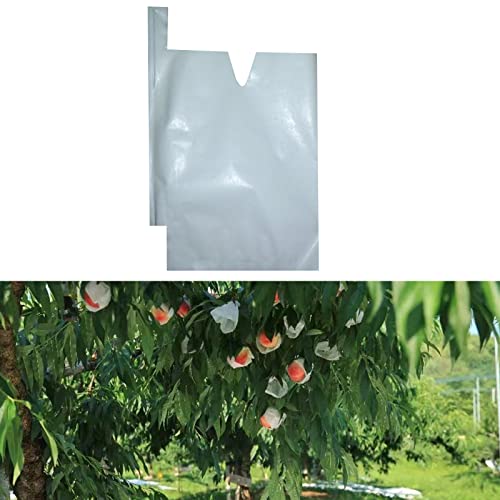
Safe Protector : Protect your apples, peaches, pears, persimmons, dragon fruits, guavas, tomatoes, potatoes, bananas, oranges, plums, nectarines, veggies

PACKAGE: The package includes 4Pcs plant covers,will meet your daily use or replacement. Measuring 31.5" x 47.3", the plant protector is waterproof, windproof.
Climate Impact on Fruit Production
Climate plays a crucial role in apple tree growth and fruiting. Areas with temperate climates offer optimal conditions for apple trees. Warm spring days promote flowering, while cool nights help preserve bloom integrity. Consistent rainfall during the growing season supports healthy fruit development. If your region experiences extreme temperatures or erratic weather patterns, this can disrupt the flowering and fruiting cycles. For instance, early frosts can damage blossoms, leading to reduced yields.
Cold Weather and Its Effects
Cold weather affects apple trees in multiple ways, particularly during critical growth phases. Apples need a specific amount of chilling hours—between 300 and 1,000 hours at temperatures between 32°F and 45°F—for proper fruit set. Insufficient chilling can lead to poor fruit quality or even a complete crop failure. Additionally, late spring frosts can harm fruit buds that have already emerged. Protecting your trees from these threats is essential. Consider planting frost-resistant apple varieties and using protective covering to shield delicate blooms during unexpected cold spells. Taking proactive measures allows you to maximize your harvest potential each year.
Conclusion
Knowing when apple trees produce fruit can make all the difference in your harvesting experience. By understanding the specific varieties you have and their unique timelines you’ll be better prepared to enjoy those delicious apples at their peak.
Remember to keep an eye on local climate conditions and care for your trees properly. This proactive approach not only helps in maximizing your harvest but also ensures your trees stay healthy for years to come.
So whether you’re picking apples from your own tree or visiting an orchard enjoy the fruits of your labor and the sweet taste of success. Happy harvesting!
Frequently Asked Questions
When is the best month to harvest apples?
The best month to harvest apples typically varies by variety. Early varieties like ‘Gala’ and ‘McIntosh’ are usually ready in late August, while mid-season varieties like ‘Honeycrisp’ and ‘Fuji’ mature in mid to late September. Late varieties such as ‘Braeburn’ and ‘Granny Smith’ are ready in early October.
What factors affect apple production?
Apple production is influenced by several key factors, including temperature, soil quality, proper watering, and effective pollination. Paying attention to these elements can help optimize the health of your apple trees and enhance fruit quality.
How long does it take for an apple tree to produce fruit?
Apple trees generally take four to six years to start producing fruit after being planted. During this time, they go through various growth stages, including germination, seedling, juvenile, and maturity.
What are best practices for apple tree care?
Best practices for apple tree care include regular maintenance such as pruning, pest management, and disease prevention. Effective pruning promotes healthy growth, while inspections and preventive measures help protect trees from diseases and pests.
How does climate affect apple harvesting?
Climate plays a crucial role in apple harvesting success. Ideal conditions include warm spring days for flowering and cool nights to maintain bloom integrity. Erratic weather can disrupt flowering, potentially leading to reduced yields.
What should I do to prevent frost damage to apple trees?
To prevent frost damage, consider planting frost-resistant apple varieties and using protective coverings during late spring cold spells. These measures can help safeguard your apple trees during vulnerable periods.
