

Are you dreaming of a backyard bursting with fresh fruit? In Apple Valley, California, you have plenty of options to make that dream a reality. With its unique climate and soil conditions, this area is perfect for growing a variety of fruit trees that can thrive and produce delicious yields.
Imagine stepping outside to pick juicy peaches or crisp apples right from your own garden. This article will guide you through the best fruit trees suited for Apple Valley, helping you choose the right ones for your space and taste. Whether you’re a seasoned gardener or just starting out, you’ll find the information you need to cultivate your own little orchard.
Key Takeaways
- Ideal Fruit Trees: Apple Valley, CA, supports a variety of fruit trees, including apples, peaches, apricots, plums, and citrus, thanks to its semi-arid climate and well-drained soil.
- Climate and Soil Considerations: Successful growth in the region requires selecting heat-tolerant varieties that thrive in warm summers and mild winters, with a preference for well-draining sandy or loamy soil.
- Best Planting Practices: Plant fruit trees in the fall or early spring, ensuring they receive ample sunlight and proper spacing (15 to 20 feet apart) for optimal growth.
- Seasonal Care: Regular pruning in late winter or early spring, as well as consistent pest and disease monitoring, is essential for maintaining healthy and productive fruit trees throughout the seasons.
- Irrigation Needs: Supplement irrigation during the hot, dry months, as Apple Valley receives only about 14 inches of annual rainfall, to ensure adequate moisture for fruit development.
- Utilize Local Resources: Engage with local gardening resources for tailored advice and support to maximize the potential of your fruit-growing efforts in Apple Valley.
Overview of Apple Valley, CA
Apple Valley, located in San Bernardino County, features a semi-arid climate. The area enjoys warm summers and mild winters, with average temperatures ranging from 20°F to 100°F. This climate supports the growth of various fruit trees.
Well-drained soil, often sandy or loamy, enhances root development and moisture retention. The region receives about 14 inches of rain annually, with most precipitation occurring in winter months. You can use irrigation systems to supplement water during the drier summer months.
You can cultivate various fruit trees that thrive in this environment. Consider planting apple trees, peach trees, apricot trees, and citrus trees. These varieties are well-suited to Apple Valley’s unique climate conditions.
To ensure successful growth, select rootstock that adapts well to the local soil. Look for disease-resistant varieties to minimize maintenance. Additionally, monitor for pests and diseases regularly, applying organic solutions when necessary.
By creating a manageable care routine, you can enjoy a fruitful orchard in Apple Valley. Local gardening resources can provide more specific information tailored to your needs.
Common Fruit Trees in Apple Valley
Apple Valley’s climate supports several fruit trees. You can expect to find a variety of options that thrive in this semi-arid environment.
Recommended Products
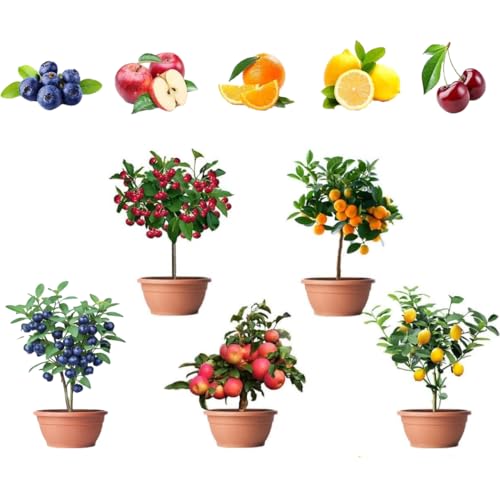
Variety Pack of 5 Fruits: Includes 40 Lemon seeds, 40 Orange seeds, 40 Apple seeds, 20 Cherry seeds, and 20 Blueberry seeds for a colorful and diverse home garden

Product Quantity: 180+ premium bonsai fruit seeds across 5 varieties; Individual packs contain 40+ apple, 40+ lemon, 40+ orange, 20+ blueberry, and 40+ cherry seeds; Perfect for starting a diverse miniature orchard

Package: 5 Individual Packs, 40+ Lemon Tree Seeds 40+ Cherry Tree Seeds 40+ Orange Tree Seeds 40+ Apple Seeds 20+ Blueberry Seeds
Stone Fruits
Stone fruits do exceptionally well in Apple Valley. You can grow peaches, plums, cherries, and apricots here. Look for varieties like ‘Elberta’ peaches and ‘Stanley’ plums for excellent flavor and yield. Ensure that your trees receive full sun and water them consistently during dry spells. Pruning these trees in late winter promotes healthy growth and fruit production.
Citrus Trees
Citrus trees love the warm climate of Apple Valley. You can choose from oranges, lemons, limes, and grapefruits. Varieties like ‘Valencia’ oranges and ‘Eureka’ lemons perform well. Plant them in well-drained soil and give them plenty of sunlight. Regular feeding with a balanced fertilizer encourages healthy fruit development. Keep an eye out for pests such as aphids and scale; address any infestations promptly.
Pome Fruits
Pome fruits, including apples and pears, thrive in Apple Valley’s conditions. Consider planting varieties like ‘Granny Smith’ apples and ‘Bartlett’ pears. These trees enjoy full sun and well-draining soil. For optimal growth, prune them in winter to shape the canopy and improve air circulation. Monitor for diseases such as fire blight and apply preventative measures as needed.
Considerations for Planting
When planting fruit trees in Apple Valley, understanding both climate and soil conditions is essential for success. Let’s explore key considerations.
Climate and Soil Requirements
Apple Valley’s semi-arid climate supports a wide range of fruit trees. Warm summers and mild winters contribute to optimal growth. Consider these factors:
- Temperature: Choose varieties that tolerate heat, especially during summer months. Many trees thrive with temperatures ranging from 75°F to 90°F.
- Rainfall: With an average of 14 inches of rain annually, supplement irrigation during dry periods to ensure healthy fruit development.
- Soil Type: Select well-drained sandy or loamy soils for optimum root development. Conduct a soil test to check for nutrients and pH levels, aiming for a pH of 6.0 to 7.5.
Best Planting Practices
Implementing best practices can enhance your planting success. Follow these steps:
- Timing: Plant trees in the fall or early spring for the best results. This allows roots to establish before the heat of summer.
- Site Selection: Pick a sunny location that receives at least six hours of direct sunlight daily.
- Spacing: Space trees adequately, generally about 15 to 20 feet apart, to provide air circulation and sunlight.
- Planting Depth: Dig a hole twice the width of the rootball and slightly shallower than the root height. Position the tree so that the graft union sits above the soil line.
- Watering: Water thoroughly after planting. Maintain consistent moisture without overwatering, especially during the first growing season.
- Mulching: Apply mulch around the base to retain moisture and control weeds.
By considering these factors and following best practices, you ensure a thriving orchard that provides fruit for years to come.
Seasonal Care for Fruit Trees
Seasonal care plays a vital role in the health and productivity of your fruit trees. Understanding the needs of your trees throughout the year ensures a bountiful harvest.
Recommended Products
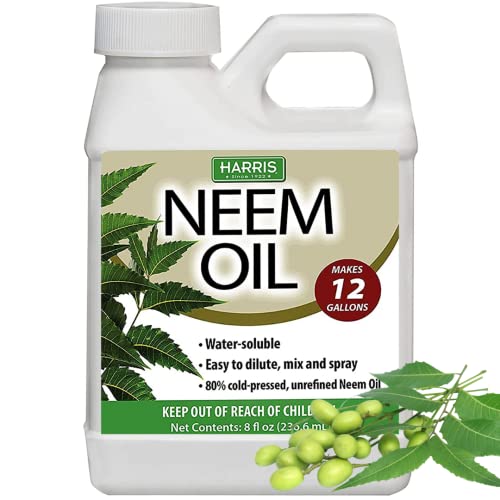
Cold-Pressed Neem Oil is a potent natural solution, ideal for maintaining healthy plants

FUNGAL DISEASE CONTROL: Prevents and controls black spot on roses, powdery mildew, rust, downy mildew, and other listed fungal diseases when applied on a 7–14 day schedule

PLANT DISEASE CONTROL: Natria Neem Oil acts as an insecticide and fungicide in one convenient spray; Ready-to-use trigger sprayer requires no mixing
Pruning Techniques
Pruning focuses on shaping your trees and promoting healthy growth. Start by pruning in late winter or early spring, just before new growth begins. Use sharp, clean pruning shears to avoid damaging the tree.
- Remove dead or diseased branches promptly. This prevents the spread of disease and allows more light to reach the healthy parts of the tree.
- Thin out crowded branches to improve air circulation. Aim for an open center to allow sunlight to penetrate.
- Cut back young trees to encourage branching. This promotes a strong structure and enhances fruit production in the coming seasons.
Proper pruning not only maintains the shape of your trees but also boosts overall fruit quality and quantity.
Pest and Disease Management
Effective pest and disease management safeguards your fruit trees from harm. Implementing proactive measures can minimize damage and ensure healthy crops.
- Monitor your trees regularly for signs of pests and diseases. Look for discoloration, wilting, or unusual growth.
- Employ organic pesticides if infestations occur. Neem oil is an effective choice for managing common pests like aphids and spider mites.
- Encourage beneficial insects, such as ladybugs and lacewings, which naturally control pest populations. Planting companion flowers can attract these helpful insects.
Establishing a routine care schedule aids in early detection and intervention, promoting resilient and thriving fruit trees.
Conclusion
Growing fruit trees in Apple Valley can be a rewarding experience. With the right care and attention you can enjoy a bountiful harvest from your backyard orchard. Whether you’re drawn to the sweetness of peaches or the zest of citrus fruits there’s a tree that’ll thrive in your garden.
Remember to consider the local climate and soil conditions when selecting your trees. Regular maintenance and monitoring will help keep your trees healthy and productive. So grab your gardening tools and get ready to create a fruitful paradise right at home. Happy gardening!
Frequently Asked Questions
What fruit trees can I grow in Apple Valley, California?
You can grow a variety of fruit trees in Apple Valley, including peaches, apples, apricots, and citrus varieties like oranges and lemons. These trees thrive in the region’s semi-arid climate and well-drained soils.
When is the best time to plant fruit trees in Apple Valley?
The best time to plant fruit trees in Apple Valley is during the fall or early spring. This timing allows trees to establish roots before the heat of summer.
How do I care for my fruit trees throughout the year?
Caring for fruit trees involves seasonal tasks like pruning in late winter or early spring, monitoring for pests, and ensuring adequate irrigation, especially during dry months.
What should I consider when selecting fruit tree varieties?
When selecting fruit tree varieties, consider local climate, soil conditions, and choose disease-resistant options. Opt for heat-tolerant varieties to ensure successful growth.
How can I manage pests and diseases in my fruit trees?
Regular monitoring is key. Use organic pesticides like neem oil for infestations and promote beneficial insects. Establish a care routine for early detection and management.
What is the ideal soil type for growing fruit trees in Apple Valley?
Fruit trees thrive in well-drained sandy or loamy soils found in Apple Valley. This type of soil enhances root development and allows for proper water drainage.
How much water do fruit trees need in Apple Valley?
Fruit trees typically require regular watering, especially during dry periods. Aim for deep watering to encourage deep root growth and apply mulch to retain soil moisture.
Are there local resources for fruit tree gardening advice?
Yes, local gardening centers, agricultural extensions, and community gardening groups can provide tailored advice and resources for growing fruit trees in Apple Valley.
