

Have you ever come across a tree that bears fruit resembling blackberries and wondered what it is? You’re not alone. Many people are intrigued by these unique fruits that pop up in gardens and parks, often leading to confusion about their origin.
Key Takeaways
- Identifying Trees: Various trees such as Mulberry, Dewberry, Black Raspberry, and Serviceberry produce fruits resembling blackberries; knowing these helps clarify which plant you are dealing with.
- Growth Conditions: Most blackberry-looking fruit trees thrive in well-drained soil, full sunlight, and benefit from regular watering, especially during dry spells.
- Fruit Characteristics: Blackberry-like fruits vary in size, color, and flavor, ranging from sweet to tart, and can come in shades like black, dark purple, red, and white.
- Preventing Confusion: It’s crucial to differentiate between edible fruits and look-alikes, such as Poison Ivy berries and Elderberries, which can be toxic.
- Culinary and Medicinal Uses: These fruits are versatile in the kitchen, suitable for fresh consumption, desserts, and preserves while also providing health benefits through antioxidants and vitamins.
Overview of Blackberry Looking Fruits
Blackberry looking fruits often belong to various trees and shrubs. Identifying these fruits can clarify which plant you’re dealing with, as several species produce similar berries.
Common Types of Trees with Blackberry Looking Fruits
- Mulberry Tree (Morus spp.)
- Produces small, sweet fruits.
- Colors range from white to purple or black.
- Grows up to 30 feet tall.
- Dewberry (Rubus caesius)
- Produces smaller, tangy fruits.
- Typically grows as a vine or low shrub.
- Resembles blackberries but has a distinct taste.
- Black Raspberry (Rubus occidentalis)
- Produces dark purple to black fruits.
- Grows on thorny canes, reaching 3 to 5 feet.
- Known for its rich flavor.
Characteristics of Blackberry Looking Fruits
- Size: Blackberry looking fruits vary from small, pea-sized berries to larger, grape-sized berries.
- Color: Common colors include black, dark purple, and sometimes red or white.
- Taste: Flavors range from sweet to tart, depending on the specific type of fruit.
Growing Conditions
- Soil: Most prefer well-drained soil with a pH between 5.5 and 6.5.
- Sunlight: Requires full sun for optimal growth and fruit production.
- Water: Needs regular watering, especially during dry spells.
Potential Look-Alikes
Be aware of potential look-alikes that may not be edible, such as:
- Poison Ivy Berries: While small and green, they can resemble some blackberry fruits but are toxic.
- Elderberries (Sambucus spp.): These have a similar appearance but contain toxic compounds when raw.
Familiarity with these characteristics and growth conditions aids in the identification of trees producing blackberry looking fruits.
Types of Trees with Blackberry Looking Fruit
Many trees and shrubs produce fruits that resemble blackberries. Identifying these plants helps you understand their growth conditions and edibility.
Recommended Products

Ornamental Deciduous Tree Producing Dark Black, Delicious Plump Fruits in Late Spring

🌱 1. Premium Black Mulberry Seeds Grow your own Black Mulberry (Morus nigra) with 100+ carefully selected heirloom seeds. Suitable for home gardens, orchards, and landscape planting.
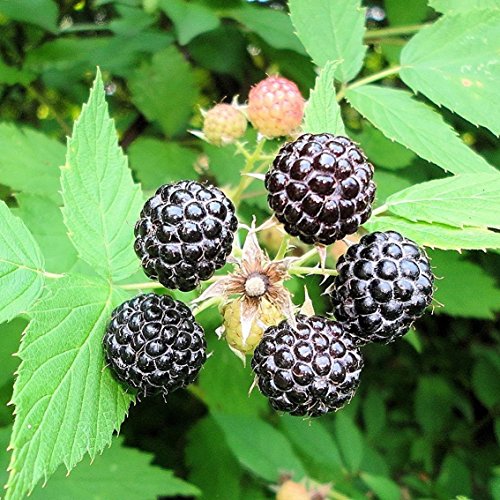
Premium quality fruit seeds package containing 30 Black Raspberry seeds (Rubus occidentalis) perfect for berry gardeners and homesteaders seeking delicious homegrown berries with superior flavor and natural antioxidants.
Tree Species with Similar Fruits
- Mulberry Tree (Morus spp.): Produces small, sweet fruits that turn dark purple to black when ripe. The tree thrives in well-drained soil and full sun.
- Dewberry (Rubus caesius): A trailing vine that bears small black fruits similar to blackberries. It prefers sandy, acidic soils and grows well in sunny areas.
- Black Raspberry (Rubus occidentalis): Similar to blackberries, these fruits are a bit smaller. The bush flourishes in rich, well-drained soils and can tolerate partial shade.
- Serviceberry (Amelanchier spp.): Produces small, round, purple berries resembling blackberries. This tree prefers moist, well-drained soils and full sun to partial shade.
- Mulberry Tree: Features a rough, lobed leaf structure with a broad crown. Fruit clusters develop on the branches, and the bark has a distinctive shaggy appearance.
- Dewberry: Identified by its sprawling growth habit and thorny stems. Leaves are typically shiny with serrated edges. The fruit appears in clusters near the ground.
- Black Raspberry: Distinguished by its arching canes and serrated leaves. It has small thorns on the stems, and fruits develop in clusters, maturing in mid-summer.
- Serviceberry: Recognized by its slender branches and oval leaves. White flowers bloom in spring before the fruits develop, which are typically found near the trunk.
Familiarizing yourself with these characteristics can simplify the identification process and ensure you harvest the right fruits.
Habitat and Growth Conditions
Understanding the habitat and growth conditions for trees bearing blackberry-like fruits helps ensure they thrive in your garden or landscape.
Recommended Products

4 Seedlings and 5 Strawberry Rootstocks: Get One seedling of Raspberry, Blueberry, Grape, Blackberry and 5 Strawberry Rootstocks. If you want more fruit trees just buy more kits.

🌳 3-Pack Fruit Tree Bundle Includes live apple, blueberry, blackberry trees—perfectly paired for a diverse and productive backyard orchard.

[Durable Insect Netting] Our garden mesh netting is made of high quality mesh cloth with PE material. Sturdy and won't rip, can be used year after year.
Ideal Climate for Blackberry Fruit Trees
Blackberry fruit trees, like the Mulberry, Dewberry, Black Raspberry, and Serviceberry, prefer temperate climates. They thrive in areas with distinct seasons, allowing them to experience cold winters and warm summers. Most species enjoy temperatures ranging from 70°F to 85°F during their growing season.
For example, the Mulberry Tree adapts well to USDA hardiness zones 4 to 9, meaning it can flourish in a variety of environments. Dewberries perform best in warmer climates, particularly in southern regions. Protecting your trees from extreme cold or heat maximizes fruit production.
Soil Requirements for Healthy Growth
Soil type significantly affects the health of blackberry fruit trees. Ensure your selected trees have the following soil conditions:
- Well-Drained Soil: Mulberry Trees and Serviceberries prefer well-drained soils to prevent root rot. Amending your soil with organic matter enhances drainage.
- pH Level: Aim for a soil pH between 6.0 and 7.5 to promote optimal nutrient absorption. Testing your soil can guide you in adjusting pH levels if necessary.
- Moisture Retention: While they enjoy moisture, these trees do not tolerate standing water. Make sure your soil retains adequate moisture without becoming waterlogged.
For instance, Black Raspberries thrive in rich, loamy soils, while Dewberries are more tolerant of sandy, acidic soils. Regularly monitor your soil moisture and adjust irrigation as needed for healthy growth.
Uses and Benefits of Blackberry Looking Fruits
Blackberry-looking fruits offer a variety of uses and benefits, both in culinary applications and for medicinal purposes.
Recommended Products

Sweet & Nutritious Berries:The berries have a sweet taste, rich in various vitamins, minerals such as calcium, iron and zinc, as well as amino acids and essential dietary fiber. They are suitable for fresh eating or making jams and desserts, meeting the needs of a healthy diet.

The blackberry is one of the most widely grown in the world, perhaps because it's also one of the easiest berries to grow. It produces a bountiful crop in summer.

Premium Collection: Includes our top 4 blackberry varieties for a diverse and abundant harvest
Culinary Uses
Culinary applications for these fruits are diverse and enjoyable. You can eat them fresh, incorporate them into desserts, or use them for jams and jellies. The sweet flavor of Mulberries pairs well with oatmeal, smoothies, and baked goods. Dewberries enhance salads and can be used in sauces. Black Raspberries shine in pies and pastries. Serviceberries can also be added to muffins or pancakes, providing a delightful touch. These fruits often complement each other in fruit salads or desserts, making them versatile ingredients.
Medicinal Properties
Medicinal properties of blackberry-looking fruits offer several health benefits. Many of these fruits contain antioxidants, which help combat oxidative stress. Mulberries are known for their potential in supporting heart health due to their fiber and vitamin C content. Black Raspberries may reduce inflammation and improve gut health thanks to their high fiber levels. Dewberries and Serviceberries also provide vitamins and minerals that support overall wellness. Consuming these fruits regularly can contribute positively to your health, especially when included in a balanced diet.
Conclusion
Exploring trees that bear blackberry-looking fruits can be both fascinating and rewarding. Whether you’re considering planting one in your garden or simply curious about what you’ve spotted in your neighborhood, knowing the differences between these fruits is key.
By familiarizing yourself with the unique traits of each tree, you’ll not only enhance your gardening skills but also enjoy the delicious fruits they offer. Remember to stay safe and informed about which berries are edible and which ones to avoid.
With the right care and attention, you can enjoy the beauty and bounty of these remarkable trees for years to come. Happy gardening!
Frequently Asked Questions
What tree produces fruits that look like blackberries?
Many trees and shrubs produce fruits resembling blackberries, including the Mulberry Tree, Dewberry, Black Raspberry, and Serviceberry. Each of these species has unique fruit characteristics and growth preferences, making them distinct from one another.
How can I identify blackberry-looking fruits?
To identify blackberry-looking fruits, examine their size, color, and taste. Inspect the plant’s leaves, growth habit, and soil requirements. Familiarity with these traits will help determine whether the fruit is edible or a potential look-alike that may be harmful.
What are the growing conditions for these fruit-bearing trees?
These trees generally thrive in temperate climates with well-drained soil, adequate sunlight, and appropriate moisture levels. Mulberries and Serviceberries prefer well-drained soils, while Dewberries tolerate sandy, acidic soils and Black Raspberries flourish in rich, loamy soils.
Are all fruits resembling blackberries edible?
No, not all fruits resembling blackberries are safe to eat. Some look-alikes, such as Poison Ivy berries and Elderberries, can be toxic. It’s essential to accurately identify the species before consuming any fruit to ensure safety.
What are the health benefits of blackberry-like fruits?
Blackberry-like fruits are rich in antioxidants and nutrients that support heart health, reduce inflammation, and improve gut health. Regular consumption can enhance overall wellness when included in a balanced diet, making them a delicious and nutritious option.
